 Call
Call Patient Reports
Best Hospital for Unilateral Myringotomy with Tympanostomy Tube Insertion with Expert ENT Care
Unilateral Myringotomy with Tympanostomy Tube Insertion at Medicover Hospitals is performed using an endoscopic approach. Our ENT specialists, holding qualifications like MS and DNB, ensure precise procedures. This technique often results in shorter hospital stays for patients across India.
Expert Surgeons
Yearly Surgeries
Patient Satisfaction
What is Unilateral Myringotomy With Tympanostomy Tube Insertion?
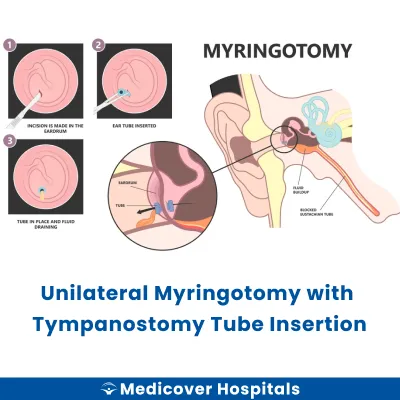
Unilateral Myringotomy with Tympanostomy Tube Insertion is a surgical procedure involving the ear. It includes creating a small incision in the eardrum (myringotomy) and placing a tiny tube (tympanostomy tube) to allow fluid drainage. This helps in ventilating the middle ear and preventing fluid accumulation.
This surgery is often needed for conditions like chronic otitis media with effusion (fluid buildup) or recurrent ear infections. If untreated, these conditions can lead to hearing loss or speech delays. Modern surgical approaches include the use of microscopes or endoscopes for precision. These techniques ensure minimal discomfort and quicker recovery for patients.
Unilateral Myringotomy With Tympanostomy Tube Insertion Doctors Near You
Discover skilled ENT specialists for unilateral myringotomy with tympanostomy tube insertion at Medicover Hospitals across India. Choose your city and book a consultation to address your ear health needs.
Why Choose Medicover Hospitals for Unilateral Myringotomy With Tympanostomy Tube Insertion?
Get a second opinion from trusted experts and makeconfident, informed decisions.
 Get Second Opinion
Complete Guide To Unilateral Myringotomy With Tympanostomy Tube Insertion
Everything you need to know about the procedure, preparation, and recovery
Unilateral Myringotomy with Tympanostomy Tube Insertion Surgery Indications
Doctors recommend unilateral myringotomy with tympanostomy tube insertion when fluid buildup in the middle ear causes persistent issues. This procedure is often suggested when conservative treatments fail to relieve symptoms.
Recurrent Otitis Media
Patients experience frequent ear infections with symptoms like ear pain and fever. Examination reveals fluid behind the eardrum. If antibiotics and other treatments do not prevent recurrence, surgery is considered.
Persistent Middle Ear Effusion
Patients may have hearing difficulties and a feeling of fullness in the ear. Doctors find fluid in the middle ear lasting more than three months. When observation and medications do not resolve the effusion, surgery is advised.
Hearing Loss Due to Fluid
Patients report reduced hearing ability. Audiometry tests show conductive hearing loss. If hearing does not improve with medical management, surgical intervention is recommended.
Balance Problems
Patients experience dizziness or balance issues. Examination may reveal fluid buildup affecting the ear's balance function. Surgery is suggested when these symptoms persist despite treatment.
Speech or Developmental Delays
Children may show delayed speech or learning difficulties. Hearing tests indicate fluid-related hearing loss. If these issues do not improve with non-surgical methods, surgery is considered necessary.
How to Prepare for Unilateral Myringotomy with Tympanostomy Tube Insertion?
Proper preparation is crucial for a smooth Unilateral Myringotomy with Tympanostomy Tube Insertion. It helps reduce risks and ensures a successful outcome.
- Medication Review: Stop NSAIDs, anticoagulants, and herbal supplements as advised by your doctor to reduce bleeding risk.
- Fasting Guidelines: Follow the fasting instructions for anaesthesia. Typically, no food or drink 6-8 hours before surgery.
- Pre-Surgery Check: Inform your doctor about any recent illnesses, especially ear infections or colds.
- Clothing Choice: Wear loose, comfortable clothing on the day of the procedure for ease of changing and comfort.
- Transport Arrangement: Arrange for someone to drive you home post-surgery as you may feel drowsy from anaesthesia.
- Medication List: Bring a list of all medications with dosages to share with the medical team.
- Ear Hygiene: Avoid inserting anything into the ear canal before the procedure to prevent irritation or infection.
- Insurance Confirmation: Verify insurance coverage. Contact the hospital for current details as insurance panels may change.
Unilateral Myringotomy with Tympanostomy Tube Insertion Surgery (Step-by-Step)
This procedure is performed by an ENT specialist. It typically takes about 15 to 30 minutes. General anaesthesia is usually administered to ensure the patient is comfortable and pain-free.
- Preparation: The patient is positioned comfortably. General anaesthesia is administered to ensure no discomfort during the procedure.
- Ear Examination: The ENT specialist uses an otoscope to examine the ear canal and eardrum, ensuring the correct ear is identified for the procedure.
- Incision: A small incision, about 1-2 mm, is made in the eardrum using a myringotomy knife. This allows access to the middle ear.
- Fluid Removal: Any fluid present in the middle ear is gently suctioned out using a small suction device. This helps relieve pressure and clear any infection.
- Tube Insertion: A tympanostomy tube is carefully inserted into the incision. This tube helps ventilate the middle ear and prevent fluid accumulation.
- Final Check: The position of the tube is checked to ensure it is secure. The ear canal is cleaned, and the procedure is completed.
- Recovery: The patient is moved to a recovery area. They are monitored as the anaesthesia wears off. Most patients can go home the same day.
Who Performs Unilateral Myringotomy with Tympanostomy Tube Insertion Surgery?
This surgery is performed by an ENT specialist, also known as an otolaryngologist. They have expertise in diagnosing and treating ear, nose, and throat conditions. Their training ensures precise execution of procedures like myringotomy with tympanostomy tube insertion.
Recovery After Unilateral Myringotomy with Tympanostomy Tube Insertion Surgery
Recovery from unilateral myringotomy with tympanostomy tube insertion is usually swift. Most patients experience minimal discomfort and can return to normal activities soon. However, following post-operative care instructions is crucial for optimal healing.
Day 1:
- Rest is essential. Avoid strenuous activities.
- Expect mild ear discomfort or drainage. This is normal.
- Stick to soft foods like curd, dal-rice, or soups to avoid strain.
Day 2-3:
- Continue resting. Gradually increase light activities as tolerated.
- Keep the ear dry. Avoid swimming or submerging the head in water.
- Include easily digestible foods like khichdi or moong dal in your diet.
Day 4-7:
- Most can resume work or school, depending on comfort.
- Avoid heavy lifting or intense exercise.
- Maintain a balanced diet to support recovery.
Phase 2 (Week 2-4):
- Gradually return to normal activities, including exercise.
- Continue to protect the ear from water exposure.
- Monitor for any unusual symptoms and maintain follow-up appointments.
When to Seek Urgent Help
If you experience severe pain, persistent drainage, fever, dizziness, or hearing loss, contact your healthcare provider immediately. These could indicate complications that need prompt attention.
Benefits of Unilateral Myringotomy with Tympanostomy Tube Insertion Surgery
This procedure helps address ear-related issues effectively.
- Improved Hearing: Helps restore hearing by draining fluid from the middle ear.
- Reduced Infections: Decreases the frequency of ear infections.
- Pain Relief: Alleviates ear pain caused by fluid buildup.
- Quick Recovery: Generally involves a short recovery period.
Risks and Complications of Unilateral Myringotomy with Tympanostomy Tube Insertion Surgery
While generally safe, there are some risks associated with the procedure.
- Common: Temporary ear drainage may occur after the procedure.
- Common: Minor bleeding from the ear can happen post-surgery.
- Rare: Persistent perforation of the eardrum may develop.
- Rare: Scarring of the eardrum, known as tympanosclerosis, might occur.
- Rare: Risk of infection despite the procedure's intent to reduce infections.
Cost of Unilateral Myringotomy with Tympanostomy Tube Insertion Surgery
The cost of Unilateral Myringotomy with Tympanostomy Tube Insertion Surgery at Medicover Hospitals ranges from Rs. 37,500 to Rs. 1,01,000. The price varies based on the ward category chosen, such as day care, general, or private rooms.
We offer transparent pricing and support for insurance and TPA, including CGHS, ESI, and major TPAs. Cashless facilities are available for your convenience. Please contact the hospital for the latest insurance panel details as these may change periodically.
Frequently Asked Questions
1. How much does Unilateral Myringotomy with Tympanostomy Tube Insertion surgery cost at Medicover Hospitals?
The cost ranges from Rs. 37,500 to Rs. 1,01,000 across Medicover Hospitals. Prices vary based on the type of room and care required.
2. Is Unilateral Myringotomy with Tympanostomy Tube Insertion surgery covered under health insurance at Medicover?
Coverage is available under CGHS, ESI, and major TPAs, with cashless options. Please contact the hospital for current panel details.
3. Can I swim after Unilateral Myringotomy?
Swimming should be avoided for at least 3 weeks after surgery. Water entering the ear can disrupt healing and increase infection risk.
4. Will I experience hearing changes post-surgery?
Some patients experience temporary hearing improvement after surgery. Any persistent changes should be discussed with your doctor.
5. What diet should I follow after ear surgery?
Post-surgery, a soft diet like khichdi or dal-rice is recommended. Avoid spicy or hard foods that may cause discomfort.
6. Can ear infections recur after tube insertion?
While tubes help reduce infections, they can still occur. Regular follow-ups are important to monitor ear health.
7. How long before I can resume normal activities?
Most patients can return to normal activities within a week. However, avoid strenuous activities until fully healed.


