 Call
Call Patient Reports
Best Hospital for Unilateral Double J Ureteral Stent Procedure with Expert Care
At Medicover Hospitals, our urologist, with qualifications like MS and MCh, perform endoscopic Unilateral Double J Ureteral Stent procedures. This minimally invasive approach ensures smaller incisions and reduced blood loss, enhancing recovery for young patients across India.
Expert Surgeons
Yearly Surgeries
Patient Satisfaction
What is Unilateral Double J Ureteral Stent?
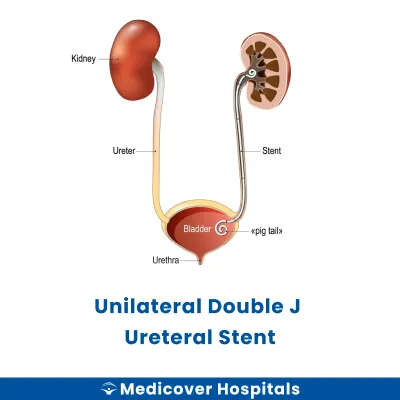
A Unilateral Double J Ureteral Stent is a thin, flexible tube placed in the ureter (the duct that carries urine from the kidney to the bladder). It is called "double J" because of its curled ends, which prevent it from moving out of place. The stent helps in maintaining urine flow and relieving any blockages in the ureter.
This procedure is often needed for conditions like kidney stones, strictures (narrowing of the ureter), or after certain surgeries. If left untreated, these conditions can lead to severe pain, infection, or kidney damage. Modern surgical approaches for placing a Unilateral Double J Ureteral Stent include minimally invasive techniques like ureteroscopy and percutaneous nephrolithotomy These methods ensure quicker recovery and less discomfort.
Unilateral Double J Ureteral Stent Doctors Near You
Find skilled urologist for unilateral double J ureteral stent procedures at Medicover Hospitals across India. Choose your city and book a consultation to discuss your child's healthcare needs.
Why Choose Medicover Hospitals for Unilateral Double J Ureteral Stent?
Advanced Urology Operation Theatre: Equipped with modern laparoscopic systems and high-definition imaging technology for precise and effective procedures.
Get a second opinion from trusted experts and makeconfident, informed decisions.
 Get Second Opinion
Complete Guide To Unilateral Double J Ureteral Stent
Everything you need to know about the procedure, preparation, and recovery
Unilateral Double J Ureteral Stent Procedure Indications
Doctors recommend the Unilateral Double J Ureteral Stent procedure to relieve obstructions in the ureter. It helps ensure proper urine flow from the kidney to the bladder, especially when other treatments are ineffective.
Ureteral Obstruction
Patients may experience severe flank pain and difficulty urinating. Imaging tests often reveal a blockage in the ureter. When medications and other non-invasive methods fail, a stent may be necessary.
Kidney Stones
Symptoms include sharp pain in the back or side, blood in urine, and frequent urination. CT scans or ultrasounds show stones causing blockage. If stones do not pass with conservative management, stenting can help.
Post-Surgical Swelling
After ureteral surgery, patients might have swelling that leads to urine flow obstruction. Doctors may notice reduced urine output. A stent can alleviate this temporary blockage.
Ureteral Strictures
Patients often report pain and urinary tract infections. Tests like retrograde pyelography show narrowing of the ureter. When dilation or medication is ineffective, a stent is considered.
Trauma-Induced Ureteral Injury
Symptoms include abdominal pain and hematuria. Imaging may show ureteral tears or bruising. If conservative measures do not resolve the issue, a stent is placed to ensure healing.
How to Prepare for Unilateral Double J Ureteral Stent?
Proper preparation is crucial for a smooth Unilateral Double J Ureteral Stent procedure. It helps minimise complications and ensures a quicker recovery.
- Medication Review: Stop NSAIDs, anticoagulants, and herbal supplements 7 days prior.
- Fasting Instructions: Fast for at least 6 hours before the procedure due to anaesthesia requirements.
- Hydration: Drink plenty of water up until fasting begins to stay hydrated.
- Clothing: Wear loose, comfortable clothing on the day of the procedure.
- Transportation: Arrange for someone to drive you home post-procedure.
- Medication List: Bring a list of current medications with dosages for reference.
- Pre-Procedure Tests: Complete any required blood tests or imaging as advised by your doctor.
- Personal Items: Leave valuables at home and bring only essentials to the hospital.
Unilateral Double J Ureteral Stent Procedure (Step-by-Step)
This procedure is performed by a pediatric surgeon. It typically takes 30-60 minutes and is done under general anaesthesia.
- Preparation: The patient is positioned on the operating table. General anaesthesia is administered to ensure comfort and prevent pain.
- Accessing the Ureter: A cystoscope, a thin tube with a camera, is inserted through the urethra to reach the bladder. This allows the surgeon to view the ureteral opening.
- Guidewire Insertion: A guidewire is carefully passed through the cystoscope into the ureter. This helps in guiding the stent placement.
- Stent Placement: The Double J stent is threaded over the guidewire. It is positioned in the ureter, with one end in the kidney and the other in the bladder.
- Confirmation: The position of the stent is confirmed using fluoroscopy or X-ray. Adjustments are made if necessary to ensure proper placement.
- Completion: The guidewire and cystoscope are removed. The patient is moved to the recovery area to wake up from anaesthesia.
Who Performs Unilateral Double J Ureteral Stent Procedure?
This procedure is performed by a urologist, a specialist trained in diagnosing and treating conditions of the urinary system. They use advanced instruments such as cystoscopes and guidewires to accurately place the stent and ensure proper urine flow.
Recovery After Unilateral Double J Ureteral Stent Procedure
Recovery from a unilateral double J ureteral stent procedure is generally smooth, but it requires some care and attention. Patients may experience mild discomfort initially, but this usually subsides within a few days. Following the doctor's advice is crucial for a quick recovery.
Day 1-3:
- Rest is essential. Avoid strenuous activities.
- Drink plenty of fluids to help flush the kidneys.
- Stick to a light diet. Include foods like curd, dal-rice, and soups.
- Some discomfort or a frequent urge to urinate is normal.
Day 4-7:
- Gradually increase activity levels. Short walks are encouraged.
- Continue with a balanced diet. Khichdi and moong dal are good options.
- Most patients can resume work or school by the end of this period, depending on their comfort level.
- Monitor for any unusual symptoms.
Week 2:
- Resume normal activities, but avoid heavy lifting or intense exercise.
- Maintain a healthy diet. Include plenty of fruits and vegetables.
- Follow up with your doctor for any scheduled appointments.
When to Seek Urgent Help:
- Severe pain that does not subside with medication.
- Fever or chills, which may indicate an infection.
- Blood in urine that is more than a light pink tinge.
- Inability to urinate or significant decrease in urine output.
Benefits of Unilateral Double J Ureteral Stent Procedure
This procedure helps in managing urinary obstructions effectively.
- Relieves Obstruction: It helps in alleviating blockages in the ureter, allowing urine to flow freely.
- Prevents Kidney Damage: By ensuring proper urine drainage, it reduces the risk of kidney damage.
- Minimally Invasive: The procedure is less invasive compared to open surgeries, promoting faster recovery.
- Temporary Solution: It provides a temporary solution to manage ureteral obstructions until a permanent fix is possible.
Risks and Complications of Unilateral Double J Ureteral Stent Procedure
While generally safe, there are potential risks and complications associated with this procedure.
- Discomfort or pain in the bladder and urethra.
- Increased frequency of urination.
- Infection at the site of insertion.
- Migration of the stent, requiring repositioning.
- Hematuria or blood in urine.
- Allergic reaction to the stent material.
What is the Cost of Unilateral Double J Ureteral Stent Procedure?
The cost of a unilateral double J ureteral stent procedure typically ranges from ₹34,000 to ₹90,000, depending on factors such as the surgical approach, duration of hospital stay, room category, required diagnostics, and post-operative care.
At Medicover Hospitals, we ensure transparent pricing. We offer support for insurance and TPA, including CGHS, ESI, and major TPAs. A cashless facility is also available. Please contact the hospital for the latest insurance panel details as these may change periodically.
Frequently Asked Questions
1. How much does Unilateral Double J Ureteral Stent procedure cost at Medicover Hospitals?
Unilateral double J ureteral stent procedure costs may vary from ₹34,000 to ₹90,
2. Contact Medicover Hospitals for the latest pricing information. 2. Is Unilateral Double J Ureteral Stent procedure covered under health insurance at Medicover?
Many health insurance plans, including CGHS and ESI, may cover this procedure. Please contact the hospital for current panel details.
3. Can a stent cause urinary tract infections?
Yes, a ureteral stent can increase the risk of urinary tract infections. It's important to monitor symptoms and consult your doctor if needed.
4. Will I feel the stent inside my body?
Some patients may feel discomfort or a sensation of the stent. This usually subsides over time but consult your doctor if it persists.
5. Can I exercise after getting a ureteral stent?
Light activities like walking are usually fine, but avoid strenuous exercise for a week. Consult your doctor for personalized advice.
6. What foods should I avoid with a ureteral stent?
Avoid spicy and acidic foods to prevent irritation. Opt for bland foods like curd, dal-rice, and khichdi for comfort.
7. How long will the stent stay in place?
The stent typically remains for a few weeks, depending on your condition. Your doctor will advise the appropriate duration for your case.


