 Call
Call Patient Reports
Transsphenoidal Endoscopic Surgery by Expert Neurosurgeons
Transsphenoidal Endoscopic Surgery at Medicover Hospitals is performed by skilled neurosurgeons with qualifications like MS, MCh, and DNB. This endoscopic approach allows for smaller incisions and reduced blood loss, leading to a shorter hospital stay for patients across India.
Expert Surgeons
Yearly Surgeries
Patient Satisfaction
What is Transsphenoidal Endoscopic Surgery?
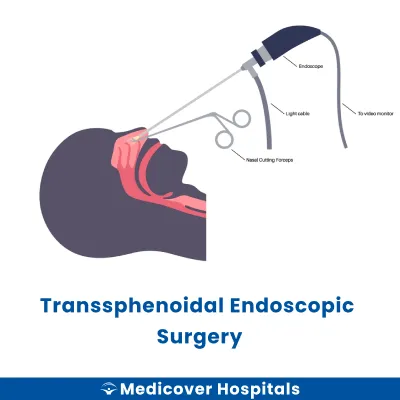
Transsphenoidal Endoscopic Surgery is a minimally invasive procedure used to remove tumours from the pituitary gland. The pituitary gland, located at the base of the brain, regulates vital body functions and hormone balance. This surgery involves accessing the gland through the nose and sphenoid sinus using an endoscope (a thin, flexible tube with a camera).
This surgery is often needed for conditions like pituitary adenomas, which are non-cancerous tumours. If left untreated, these tumours can cause hormonal imbalances, vision problems, and other health issues. Modern surgical approaches include endoscopic endonasal techniques, which offer better visualisation and precision. These methods help reduce recovery time and improve outcomes. Always consult with a healthcare professional for advice tailored to your condition.
Transsphenoidal Endoscopic Surgery Doctors Near You
Discover skilled neurosurgeons for transsphenoidal endoscopic surgery at Medicover Hospitals across India. Choose your city and book a consultation to address your healthcare needs effectively.
Why Choose Medicover Hospitals for Transsphenoidal Endoscopic Surgery?
Get a second opinion from trusted experts and makeconfident, informed decisions.
 Get Second Opinion
Complete Guide To Transsphenoidal Endoscopic Surgery
Everything you need to know about the procedure, preparation, and recovery
Transsphenoidal Endoscopic Surgery Indications
Doctors recommend transsphenoidal endoscopic surgery primarily for conditions affecting the pituitary gland. This minimally invasive procedure is often chosen when medication or other treatments do not alleviate symptoms.
Pituitary Adenomas
Patients may experience headaches, vision problems, or hormonal imbalances. Imaging tests like MRI reveal a tumour pressing on nearby structures. Surgery is advised when medication fails to control symptoms or the tumour grows.
Cushing's Disease
Symptoms include weight gain, high blood pressure, and skin changes. Blood tests show elevated cortisol levels. Surgery is considered when medication does not reduce hormone production effectively.
Acromegaly
Patients notice enlarged hands, feet, or facial features. Blood tests indicate high growth hormone levels. Surgery is recommended when medication does not normalise hormone levels or tumour size increases.
Rathke's Cleft Cysts
Symptoms include headaches and vision disturbances. MRI scans show cysts near the pituitary gland. Surgery is suggested when cysts cause significant symptoms or grow in size.
Craniopharyngiomas
Patients may have headaches, vision loss, or hormonal issues. Imaging reveals a tumour near the pituitary gland. Surgery is necessary when the tumour affects vision or hormone function.
How to Prepare for Transsphenoidal Endoscopic Surgery?
Preparation is crucial for a smooth transsphenoidal endoscopic surgery. It helps reduce risks and ensures a successful procedure.
- Medication Review: Stop NSAIDs, anticoagulants, and herbal supplements at least a week before surgery.
- Fasting Instructions: Do not eat or drink anything for 8 hours before the surgery to prepare for anaesthesia.
- Nasal Preparation: Use prescribed nasal sprays as directed to clear nasal passages.
- Clothing: Wear loose, comfortable clothing on the day of surgery for ease of movement.
- Transportation: Arrange for someone to drive you home post-surgery as you may feel drowsy.
- Medication List: Bring a list of all medications with dosages for the healthcare team.
- Health Monitoring: Inform your doctor about any recent illnesses or changes in health.
- Rest Well: Ensure you get a good night's sleep before the procedure for optimal recovery.
Transsphenoidal Endoscopic Surgery (Step-by-Step)
Overview: This surgery is performed by Specialists in neurosurgery. It typically lasts 2-3 hours and is done under general anaesthesia.
- Preparation: The patient is placed under general anaesthesia. They will not feel any pain or discomfort during the procedure.
- Incision: A small incision, about 1-2 cm, is made inside the nostril. This allows the surgeon to access the sphenoid sinus.
- Endoscope Insertion: An endoscope is inserted through the nostril. This thin tube with a camera provides a clear view of the surgical area.
- Tumour Access: Surgical instruments like a curette or bipolar cautery are used to carefully remove the tumour. The surgeon navigates through the sinus to reach the pituitary gland.
- Tumour Removal: The tumour is removed piece by piece. The surgeon ensures minimal damage to surrounding tissues.
- Closure: After tumour removal, the incision is closed. No external stitches are needed, and the nasal cavity is packed to prevent bleeding.
- Recovery: The patient is moved to the recovery room. They may experience nasal congestion or mild discomfort, which usually subsides in a few days.
Who Performs Transsphenoidal Endoscopic Surgery?
This surgery is performed by neurosurgeons, often in collaboration with ENT specialists. These professionals are trained in delicate brain and sinus surgeries, ensuring precise tumour removal.
Recovery After Transsphenoidal Endoscopic Surgery
Recovery from transsphenoidal endoscopic surgery involves gradual healing and adjustment. Patients can expect some nasal congestion and mild discomfort. It's important to follow post-operative instructions for a smooth recovery.
Day 1-3:
- Rest is crucial. Avoid strenuous activities.
- Expect nasal packing, which may cause discomfort.
- Stick to a soft diet. Include foods like curd, dal-rice, and soups.
Day 4-7:
- Nasal packing is usually removed. Breathing may improve.
- Continue with light activities. Avoid bending or lifting.
- Maintain a balanced diet. Incorporate khichdi and moong dal.
Week 2-4:
- Gradually resume normal activities. Avoid heavy lifting.
- Most patients can return to work or school by the end of this phase.
- Ensure a nutritious diet to support healing.
Phase 2 (Month 1-3):
- Regular follow-ups with your doctor are essential.
- Engage in regular exercise as advised by your healthcare provider.
- Continue a healthy diet to maintain overall well-being.
When to Seek Urgent Help:
- Severe headache or vision changes.
- Persistent nasal bleeding or clear fluid drainage.
- High fever or signs of infection.
Benefits of Transsphenoidal Endoscopic Surgery
Transsphenoidal Endoscopic Surgery is a minimally invasive procedure used to remove pituitary tumors through the nasal passage.
- Minimally Invasive: This approach avoids external incisions, reducing visible scarring.
- Faster Recovery: Patients often experience quicker recovery times compared to traditional surgery.
- Reduced Pain: The procedure typically results in less postoperative pain.
- Improved Visualization: The endoscopic technique provides surgeons with a clear view of the surgical area.
Risks and Complications of Transsphenoidal Endoscopic Surgery
While generally safe, Transsphenoidal Endoscopic Surgery carries certain risks, as with any surgical procedure.
- Common: Nasal congestion and discomfort are typical post-surgery symptoms.
- Common: Temporary loss of smell may occur but usually resolves over time.
- Rare: Cerebrospinal fluid leak can happen, requiring additional treatment.
- Rare: Damage to surrounding structures like the optic nerve is possible.
- Rare: Hormonal imbalances may develop, needing further management.
- Rare: Infection is a potential risk, though uncommon with proper care.
Cost of Transsphenoidal Endoscopic Surgery Surgery
The cost of Transsphenoidal Endoscopic Surgery varies based on factors starting from ₹2,00,000 - ₹5,50,000 such as the surgical approach, duration of hospital stay, room category, required diagnostics, and post-operative care.
At Medicover Hospitals, we ensure transparent pricing for all our procedures. We support insurance and TPA services, including CGHS, ESI, and major TPAs, with a cashless facility available for your convenience. Please contact the hospital for the latest insurance panel details as these may change periodically.
Frequently Asked Questions
1. How much does Transsphenoidal Endoscopic Surgery surgery cost at Medicover Hospitals?
The cost of Transsphenoidal Endoscopic Surgery varies based on individual needs starting from ₹2,00,000 - ₹5,50,000 . Please contact Medicover Hospitals for detailed pricing information.
2. Is Transsphenoidal Endoscopic Surgery surgery covered under health insurance at Medicover?
Many health insurance plans, including CGHS and ESI, may cover this surgery. Please contact the hospital for current panel details.
3. Will my vision be affected after Transsphenoidal Endoscopic Surgery?
Temporary vision changes can occur after the surgery. It's important to follow up with your doctor if you notice any persistent issues.
4. Can I resume normal activities after pituitary surgery?
Most patients can return to normal activities within 4-6 weeks. Always consult your doctor before resuming strenuous activities.
5. Will I need hormone replacement after pituitary surgery?
Hormone replacement may be necessary if the pituitary gland is affected. Your doctor will assess and prescribe any needed medications.
6. What dietary changes are needed after pituitary surgery?
A balanced diet with foods like curd, dal-rice, and khichdi is recommended. Avoid spicy and oily foods during the initial recovery period.
7. Can headaches persist after Transsphenoidal Endoscopic Surgery?
Some patients may experience headaches post-surgery. If headaches persist, consult your doctor for appropriate management.


