 Call
Call Patient Reports
Best Hospital for Total Thyroidectomy Surgery with Advanced Endocrine Care
At Medicover Hospitals, our skilled General Surgeons perform Total Thyroidectomy using advanced surgical techniques for precise thyroid removal and safe patient care. With qualifications like MS, DNB, and MCh, they focus on effective treatment, reduced complications, and smooth recovery, helping support shorter hospital stays for patients across India.
Expert Surgeons
Yearly Surgeries
Patient Satisfaction
What is Total Thyroidectomy?
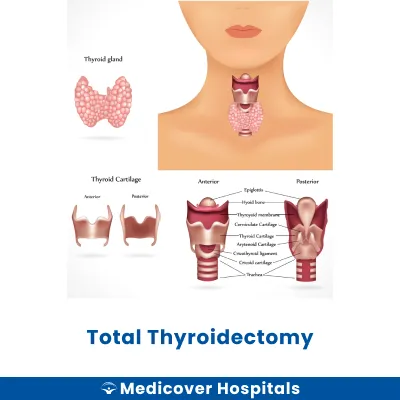
Total Thyroidectomy is a surgical procedure to remove the entire thyroid gland. The thyroid is a butterfly-shaped organ located at the base of the neck. It produces hormones that regulate metabolism. This surgery is performed when the thyroid is affected by certain conditions that cannot be managed with medication alone.
Total Thyroidectomy is often needed for conditions like thyroid cancer, large goitres (enlarged thyroid), or hyperthyroidism (overactive thyroid). If left untreated, these conditions can lead to serious health issues, including difficulty breathing or swallowing. Modern surgical approaches for Total Thyroidectomy include minimally invasive techniques and robotic-assisted surgery. These methods aim to reduce recovery time and improve surgical outcomes.
Total Thyroidectomy Doctors Near You
Find skilled General Surgeons for Total Thyroidectomy at Medicover Hospitals across India. Choose your city and book a consultation to discuss your treatment options with our experienced specialists.
Why Choose Medicover Hospitals for Total Thyroidectomy?
Get a second opinion from trusted experts and makeconfident, informed decisions.
 Get Second Opinion
Complete Guide To Total Thyroidectomy
Everything you need to know about the procedure, preparation, and recovery
Total Thyroidectomy Surgery Indications
Total thyroidectomy is recommended when the thyroid gland needs to be completely removed. This procedure is often considered when other treatments are ineffective or when specific conditions pose significant health risks.
Thyroid Cancer
Patients may experience a lump in the neck, difficulty swallowing, or voice changes. Imaging and biopsy can reveal malignant cells. Surgery is advised when cancer is confirmed, especially if it has spread or is aggressive.
Large Goitre
A visibly enlarged thyroid can cause neck swelling, breathing difficulties, or swallowing issues. Ultrasound or CT scans show significant enlargement. Surgery is considered when the goitre causes compression symptoms or cosmetic concerns.
Graves' Disease
Patients often report rapid heartbeat, weight loss, and irritability. Blood tests show high thyroid hormone levels. If medication or radioactive iodine treatment fails, surgery may be necessary.
Recurrent Thyroid Nodules
Nodules may cause neck discomfort or be detected during routine exams. Ultrasound-guided biopsy can show suspicious changes. Surgery is recommended if nodules recur or show atypical cells.
Thyroiditis with Compression Symptoms
Inflammation can lead to neck pain and difficulty breathing. Imaging may reveal an enlarged thyroid pressing on nearby structures. Surgery is considered if symptoms persist despite medical management.
How to Prepare for Total Thyroidectomy?
Proper preparation for a total thyroidectomy is crucial to ensure a smooth surgery and recovery. It helps in minimising risks and ensures that you are ready for the procedure.
- Medication Review: Discuss all medications with your doctor. Stop NSAIDs, anticoagulants, and herbal supplements as advised.
- Fasting Guidelines: Do not eat or drink anything for at least 8 hours before the surgery to prepare for anaesthesia.
- Thyroid Medication: Continue or adjust thyroid medication as directed by your healthcare provider.
- Clothing: Wear loose, comfortable clothing on the day of surgery for ease of changing and comfort.
- Transport Arrangement: Arrange for someone to drive you home post-surgery, as you will not be able to drive yourself.
- Medication List: Bring a list of all medications you take, including dosages, to the hospital.
- Pre-Surgical Tests: Complete any required blood tests or imaging studies as instructed by your doctor.
- Smoking and Alcohol: Avoid smoking and alcohol for a few days before the surgery to aid in recovery.
Total Thyroidectomy Surgery (Step-by-Step)
Total thyroidectomy is performed by surgeons. The procedure typically lasts 2-3 hours and is done under general anaesthesia.
- Preparation: The patient is positioned on the operating table. General anaesthesia is administered to ensure the patient is asleep and pain-free.
- Incision: A small horizontal incision, usually about 1-2 cm, is made at the base of the neck. This provides access to the thyroid gland.
- Exposure: The surgeon carefully separates the muscles and tissues to expose the thyroid gland. Instruments like retractors are used to hold tissues aside.
- Thyroid Removal: The surgeon uses tools such as a harmonic scalpel or bipolar cautery to detach the thyroid gland from surrounding tissues. Blood vessels are sealed to prevent bleeding.
- Closure: Once the thyroid is removed, the incision is closed with sutures or surgical glue. A small drain may be placed to prevent fluid accumulation.
- Recovery: The patient is moved to the recovery room. Vital signs are monitored as the patient wakes up from anaesthesia.
- Post-Operative Care: Pain management and monitoring for complications like bleeding or voice changes are done. The patient may stay in the hospital overnight.
Who Performs Total Thyroidectomy Surgery?
General surgeons with expertise in thyroid surgeries perform total thyroidectomy. They are skilled in managing thyroid conditions and ensuring safe removal of the gland.
Recovery After Total Thyroidectomy Surgery
Recovery from a total thyroidectomy involves gradual healing and adjustment to life without a thyroid gland. Expect some discomfort and dietary changes as your body adapts.
Day 1-3:
- Rest is crucial. Limit neck movement to reduce strain.
- Consume soft foods like curd, dal-rice, and soups to ease swallowing.
- Manage pain with prescribed medications.
Day 4-7:
- Gradually increase activity but avoid heavy lifting.
- Introduce light meals such as khichdi and moong dal.
- Attend follow-up appointments for wound inspection.
Week 2:
- Resume light work or school if comfortable, avoiding strenuous activities.
- Continue a balanced diet with soft, nutritious foods.
- Monitor for any signs of infection or complications.
Phase 3-6 Weeks:
- Gradually return to normal activities, including exercise, as advised by your doctor.
- Maintain a diet rich in iodine and calcium, incorporating foods like leafy greens and dairy.
- Regularly monitor thyroid hormone levels and adjust medications if needed.
When to Seek Urgent Help:
- Severe neck swelling or difficulty breathing.
- Persistent fever or signs of infection at the incision site.
- Numbness or tingling in the hands, feet, or around the mouth.
Always follow your healthcare provider's advice for a smooth recovery. Please contact the hospital for current details as insurance panels may change.
Benefits of Total Thyroidectomy Surgery
Total thyroidectomy is a surgical procedure aimed at addressing thyroid-related issues. It offers several benefits for patients.
- Resolution of Symptoms: Effectively treats symptoms caused by thyroid disorders.
- Prevention of Recurrence: Reduces the risk of thyroid cancer recurrence.
- Improved Quality of Life: Alleviates discomfort from goitre or hyperthyroidism.
- Elimination of Nodules: Removes nodules that may cause complications.
Risks and Complications of Total Thyroidectomy Surgery
While total thyroidectomy can be beneficial, it carries certain risks and complications. Patients should be aware of these potential issues.
- Hypocalcemia due to parathyroid gland disturbance.
- Temporary or permanent hoarseness from nerve injury.
- Infection at the surgical site.
- Bleeding leading to haematoma formation.
- Airway obstruction from swelling or bleeding.
- Need for lifelong thyroid hormone replacement therapy.
What is the Cost of Total Thyroidectomy Surgery?
The cost of Total Thyroidectomy Surgery at Medicover Hospitals ranges from Rs. 33,000 to Rs. 123,000. The price varies depending on the ward category chosen, such as general, twin sharing, or private rooms.
We offer transparent pricing and support for insurance and TPA, including CGHS, ESI, and major TPAs. A cashless facility is also available for your convenience. Please contact the hospital for the latest insurance panel details as these may change periodically.
Frequently Asked Questions
1. How much does Total Thyroidectomy surgery cost at Medicover Hospitals?
The cost of Total Thyroidectomy surgery at Medicover Hospitals ranges from Rs. 33,000 to Rs. 123,000, depending on the room type and facilities chosen.
2. Is Total Thyroidectomy surgery covered under health insurance at Medicover?
Total Thyroidectomy surgery is often covered under CGHS, ESI, and major TPAs, offering cashless options. Please contact the hospital for current panel details.
3. Will my voice change after thyroidectomy?
Voice changes can occur after a thyroidectomy due to nerve involvement. These changes are often temporary but may require voice therapy if persistent.
4. What foods should I eat after thyroidectomy?
After thyroidectomy, it's advisable to consume soft foods like dal-rice and khichdi. Avoid spicy and hard foods to aid recovery.
5. Will I need hormone replacement after thyroidectomy?
Post-thyroidectomy, hormone replacement therapy is usually required to maintain normal metabolism. Your doctor will prescribe the appropriate dosage.
6. Can I exercise after thyroidectomy?
Light activities can resume after a week, but avoid strenuous exercise for at least 4-6 weeks. Always consult your doctor before starting any exercise.
7. Are there risks of calcium deficiency post-surgery?
Calcium deficiency can occur if the parathyroid glands are affected during surgery. Regular monitoring and supplements may be necessary to manage this.


