 Call
Call Patient Reports
Best Hospital for Thrombectomy with Advanced Cardiology Care
At Medicover Hospitals, our Interventional Cardiologists, with qualifications such as DM and DNB, perform thrombectomy using advanced catheter-based and minimally invasive techniques. The procedure is guided by advanced imaging systems to accurately remove blood clots and restore healthy blood flow, helping support faster recovery and shorter hospital stays for patients across India.
Expert Surgeons
Yearly Surgeries
Patient Satisfaction
What is Thrombectomy?
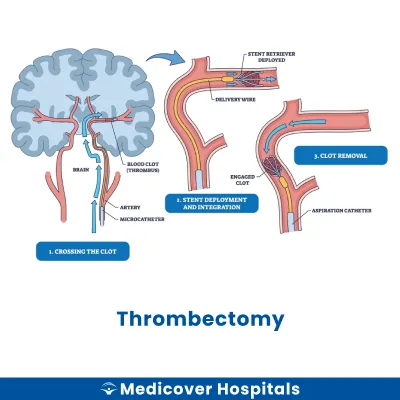
Thrombectomy is a surgical procedure to remove a thrombus (blood clot) from a blood vessel. It is often performed in arteries or veins, particularly in the brain or limbs. This procedure helps restore normal blood flow, preventing damage to tissues and organs.
Thrombectomy is needed when a blood clot obstructs blood flow, leading to conditions like stroke or deep vein thrombosis. If untreated, these conditions can cause severe complications, including tissue death or organ failure. Modern surgical approaches for thrombectomy include mechanical thrombectomy and catheter-directed thrombolysis. These methods are minimally invasive, using small incisions and specialized tools to remove or dissolve the clot effectively.
Thrombectomy Doctors Near You
Discover expert cardiologists for thrombectomy at Medicover Hospitals across India. Choose your city and book a consultation to receive specialised care tailored to your heart health needs.
Why Choose Medicover Hospitals for Thrombectomy?
Get a second opinion from trusted experts and makeconfident, informed decisions.
 Get Second Opinion
Complete Guide To Thrombectomy
Everything you need to know about the procedure, preparation, and recovery
Thrombectomy Procedure Indications
Doctors recommend a thrombectomy when blood clots obstruct blood flow, posing serious health risks. This procedure is often considered when non-surgical treatments do not resolve the issue.
Acute Limb Ischaemia
Patients may experience sudden pain, numbness, or coldness in a limb. Doctors find reduced or absent pulses in the affected limb. If medications and other interventions fail, thrombectomy is necessary to restore blood flow.
Acute Myocardial Infarction
Severe chest pain and shortness of breath are common symptoms. ECG and blood tests reveal heart muscle damage. When clot-busting drugs do not work, thrombectomy helps remove the blockage in coronary arteries.
Ischaemic Stroke
Sudden weakness, speech difficulties, or vision problems are warning signs. Brain imaging shows a blocked artery. If clot-dissolving drugs are ineffective, thrombectomy can quickly restore cerebral circulation.
Deep Vein Thrombosis
Swelling, pain, and redness in the leg are typical symptoms. Ultrasound confirms a clot in the deep veins. When anticoagulants do not alleviate symptoms, thrombectomy may be required to prevent complications.
Pulmonary Embolism
Patients often have chest pain, rapid breathing, or coughing. CT scans reveal clots in the lungs. If thrombolytic therapy is insufficient, thrombectomy is performed to remove the obstruction and improve breathing.
How to Prepare for Thrombectomy?
Proper preparation for a thrombectomy is crucial to ensure a smooth procedure and recovery. It helps reduce complications and enhances the effectiveness of the surgery.
- Medication Review: Stop NSAIDs, anticoagulants, and herbal supplements as advised by your doctor.
- Fasting: Do not eat or drink anything for at least 8 hours before the procedure due to anaesthesia requirements.
- Medical History: Bring a list of all medications with dosages you are currently taking.
- Clothing: Wear loose, comfortable clothing on the day of the procedure.
- Transportation: Arrange for someone to drive you home post-procedure, as you may feel drowsy.
- Pre-Procedure Tests: Complete any blood tests or imaging studies as instructed by your healthcare provider.
- Consent Forms: Ensure all necessary consent forms are signed and submitted before the procedure.
- Personal Items: Leave valuables at home and bring only essentials to the hospital.
Thrombectomy Procedure (Step-by-Step)
Thrombectomy is performed by Interventional Cardiologist and the procedure typically lasts 1-2 hours. It is usually done under local or regional anaesthesia, depending on the patient's condition.
- Preparation: The patient is positioned comfortably on the operating table. The surgical area is cleaned and sterilised. Local or regional anaesthesia is administered to numb the area.
- Incision: A small incision, usually about 1-2 cm, is made near the site of the clot. The patient may feel slight pressure but no pain due to the anaesthesia.
- Accessing the Clot: A catheter is inserted through the incision. Using imaging guidance, the catheter is navigated to the location of the blood clot.
- Clot Removal: Special instruments like a thrombectomy catheter or aspiration device are used to break up and remove the clot. The patient remains awake and may feel some movement or pressure.
- Restoration of Blood Flow: Once the clot is removed, the blood flow is restored. The surgeon may use a balloon or stent to keep the vessel open.
- Closure: The catheter is removed, and the incision is closed with sutures or adhesive strips. A bandage is applied to protect the area.
- Recovery: The patient is monitored in a recovery area. They may experience mild discomfort, which can be managed with medication.
Who Performs Thrombectomy procedure?
Thrombectomy is performed by Interventional Cardiologists. These specialists are trained to manage vascular blockages and use advanced imaging techniques to guide the procedure safely and effectively.
Recovery After Thrombectomy Procedure
Recovery after a thrombectomy can vary based on individual health and the complexity of the procedure. Patients can expect some rest and gradual return to normal activities. Monitoring for any complications is crucial during this period.
Day 1-3:
- Rest is essential. Avoid strenuous activities.
- Follow a light diet. Include easy-to-digest foods like curd, dal-rice, and khichdi.
- Hydration is important. Drink plenty of water and fresh juices.
Day 4-7:
- Gradually increase light activities like walking.
- Continue with a balanced diet. Add moong dal and soups for protein and nutrients.
- Avoid lifting heavy objects or engaging in vigorous exercises.
Week 2:
- Most patients can resume work or school, depending on their comfort and doctor's advice.
- Continue with regular meals. Incorporate fruits and vegetables for fibre.
- Follow up with your doctor for a check-up to ensure proper healing.
When to Seek Urgent Help:
- Sudden chest pain or difficulty breathing.
- Severe headache or vision changes.
- Swelling or pain in the legs.
- Unusual bleeding or bruising.
Contact us if you experience any of these symptoms. Early intervention can prevent complications.
Benefits of Thrombectomy Procedure
Thrombectomy is a medical procedure aimed at removing blood clots from blood vessels. It offers several advantages for patients.
- Improved Blood Flow: Restores normal blood circulation quickly, reducing the risk of tissue damage.
- Reduced Stroke Impact: Can significantly lessen the severity of a stroke, improving recovery outcomes.
- Minimally Invasive: Often performed through small incisions, leading to shorter recovery times.
- Immediate Results: Provides rapid relief from symptoms associated with blocked blood vessels.
Risks and Complications of Thrombectomy procedure
While thrombectomy can be beneficial, it is important to be aware of potential risks and complications.
- Bleeding at the site of catheter insertion.
- Bruising or swelling in the area where the catheter was inserted.
- Damage to blood vessels during the procedure.
- Infection at the catheter insertion site.
- Allergic reaction to contrast dye used during the procedure.
- Stroke or other neurological complications.
What is the Cost of Thrombectomy Procedure?
The cost of a Thrombectomy procedure at Medicover Hospitals ranges from Rs. 50,000 to Rs. 9,12,000. The price varies depending on the ward category chosen, such as outpatient, day care, general, and more. Medicover Hospitals offers transparent pricing, ensuring clarity in all charges. We support insurance and TPA services, including CGHS, ESI, and major TPAs, with cashless facilities available for your convenience. Please contact the hospital for the latest insurance panel details as these may change periodically.
Frequently Asked Questions
1. How much does Thrombectomy procedure cost at Medicover Hospitals?
The cost for a Thrombectomy procedure at Medicover Hospitals ranges from Rs. 50,000 to Rs. 9,12,000, depending on the type of care and room selected.
2. Is Thrombectomy procedure covered under health insurance at Medicover?
Yes, Thrombectomy is often covered by CGHS, ESI, and major TPAs, with cashless options available. Please contact the hospital for current panel details.
3. Can I drive after a Thrombectomy?
Driving is usually not recommended for at least a week post-Thrombectomy. Always consult your doctor for personalized advice based on your recovery.
4. Will I need blood thinners after Thrombectomy?
Yes, blood thinners may be prescribed to prevent future clots. Your doctor will provide specific instructions based on your condition.
5. Can I eat spicy food after Thrombectomy?
It's best to avoid spicy food initially. Opt for soft, bland meals like curd rice or khichdi for a smoother recovery.
6. Is swelling normal after Thrombectomy?
Some swelling is normal and should subside within a few days. If swelling persists, consult your healthcare provider immediately.
7. Can I exercise after Thrombectomy?
Light activities may be resumed after a week, but avoid strenuous exercise. Follow your doctor's guidelines for a safe recovery.


