 Call
Call Patient Reports
Thoracolumbar Spinal Fusion with Instrumentation and Bone Graft Surgery by Expert Orthopedics
Thoracolumbar Spinal Fusion with Instrumentation and Bone Graft is performed using an open surgical approach by our skilled orthopaedic surgeons with qualifications like MS and DNB. This procedure helps stabilise the spine, leading to reduced pain and improved mobility. Patients often experience shorter hospital stays at Medicover Hospitals.
Expert Surgeons
Yearly Surgeries
Patient Satisfaction
What is Thoracolumbar Spinal Fusion With Instrumentation and Bone Graft?
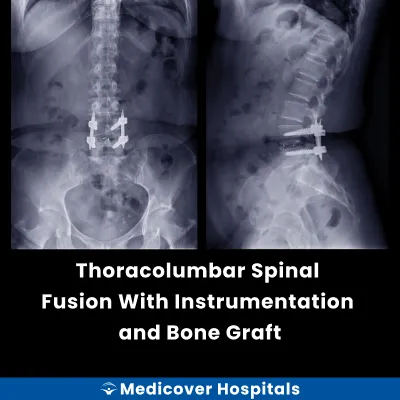
Thoracolumbar Spinal Fusion with Instrumentation and Bone Graft is a surgical procedure involving the thoracic and lumbar regions of the spine. It aims to stabilize the spine by fusing two or more vertebrae. Instrumentation (such as rods and screws) is used to hold the vertebrae together, while a bone graft (a piece of bone) promotes fusion. This procedure helps maintain proper alignment and reduces pain.
This surgery is needed for conditions like scoliosis, spinal stenosis, or fractures. These conditions can lead to severe pain and mobility issues if untreated. Modern surgical approaches include minimally invasive techniques and robotic-assisted surgery. These methods aim to reduce recovery time and improve outcomes. It's essential to address these spinal issues promptly to prevent further complications.
Thoracolumbar Spinal Fusion With Instrumentation and Bone Graft Doctors Near You
Discover experienced orthopedics for thoracolumbar spinal fusion with instrumentation and bone graft at Medicover Hospitals. Choose your city and book a consultation to start your journey to better health.
Why Choose Medicover Hospitals for Thoracolumbar Spinal Fusion With Instrumentation and Bone Graft?
Get a second opinion from trusted experts and makeconfident, informed decisions.
 Get Second Opinion
Complete Guide To Thoracolumbar Spinal Fusion With Instrumentation And Bone Graft
Everything you need to know about the procedure, preparation, and recovery
Thoracolumbar Spinal Fusion with Instrumentation and Bone Graft Surgery Indications
Doctors may recommend thoracolumbar spinal fusion with instrumentation and bone graft when conservative treatments fail to relieve symptoms. This surgery aims to stabilize the spine and alleviate pain or neurological issues.
Degenerative Disc Disease
Patients often experience chronic back pain and stiffness. Imaging may show disc degeneration and reduced disc height. When physical therapy and medications do not improve symptoms, surgery may be considered.
Spondylolisthesis
Symptoms include lower back pain and leg pain, often worsening with activity. X-rays may reveal vertebrae slippage. Surgery is suggested when non-surgical treatments like bracing and physiotherapy fail to provide relief.
Spinal Stenosis
Patients report leg pain, numbness, or weakness, especially when walking. MRI or CT scans show narrowing of the spinal canal. If symptoms persist despite conservative care, surgery may be necessary.
Spinal Fractures
Severe back pain and limited mobility are common symptoms. X-rays or CT scans confirm vertebral fractures. Surgery is advised when fractures are unstable or do not heal with bracing.
Scoliosis
Visible spinal curvature and uneven shoulders or hips are signs. X-rays show abnormal spinal alignment. Surgery is considered when the curve progresses despite bracing or causes significant discomfort.
How to Prepare for Thoracolumbar Spinal Fusion with Instrumentation and Bone Graft?
Proper preparation is crucial for a successful thoracolumbar spinal fusion. It helps minimise risks and ensures a smoother recovery.
- Medication Review: Stop NSAIDs, anticoagulants, and herbal supplements at least a week before surgery. Consult your doctor for specific guidance.
- Fasting Guidelines: Do not eat or drink anything for at least 8 hours before the surgery to ensure safety during anaesthesia.
- Pre-Surgery Tests: Complete all required blood tests, imaging, and other evaluations as instructed by your healthcare provider.
- Personal Items: Wear loose, comfortable clothing on the day of surgery. It helps in easy dressing post-surgery.
- Transportation: Arrange for someone to drive you home after the procedure, as you will not be able to drive yourself.
- Medication List: Bring a list of all medications you are currently taking, including dosages, to the hospital.
- Home Preparation: Set up a comfortable recovery area at home with necessary supplies within easy reach.
- Smoking Cessation: Stop smoking well before the surgery to promote better healing and recovery.
Thoracolumbar Spinal Fusion with Instrumentation and Bone Graft Surgery (Step-by-Step)
Overview: This procedure is performed by orthopaedic surgeons. It typically lasts 4-6 hours and is done under general anaesthesia.
- Preparation: The patient is positioned on the operating table. General anaesthesia is administered to ensure they are asleep and pain-free.
- Incision: A midline incision, usually 5-10 cm, is made over the thoracolumbar spine. The muscles are carefully moved aside to access the spine.
- Exposure: The surgeon uses retractors to hold the muscles apart. This provides a clear view of the vertebrae needing fusion.
- Instrumentation: Pedicle screws are inserted into the vertebrae. Rods are attached to these screws to stabilise the spine.
- Bone Grafting: Bone graft material, either from the patient or a donor, is placed between the vertebrae. This encourages the bones to grow together.
- Closure: The incision is closed with sutures or staples. A sterile dressing is applied to protect the wound.
- Recovery: The patient is moved to the recovery room. They are monitored as they wake up from anaesthesia.
Who Performs Thoracolumbar Spinal Fusion with Instrumentation and Bone Graft Surgery?
This surgery is performed by orthopaedic surgeons who specialise in spine surgery. They have extensive training in managing spinal disorders and performing complex procedures like spinal fusion.
Recovery After Thoracolumbar Spinal Fusion with Instrumentation and Bone Graft Surgery
Recovery from thoracolumbar spinal fusion with instrumentation and bone graft surgery requires time and patience. It involves gradual healing and regaining strength. Following your doctor's advice is crucial for a smooth recovery.
Day 1-3:
- Hospital stay is common. Pain management and monitoring are priorities.
- Start with a liquid diet, gradually moving to soft foods like soups and dal-rice.
Day 4-7:
- Begin gentle movements as advised by your physiotherapist.
- Continue with soft, nutritious foods like khichdi and moong dal.
- Avoid bending, twisting, or lifting heavy objects.
Week 2-4:
- Gradual increase in physical activity. Short walks are encouraged.
- Incorporate curd and fresh fruits into your diet for better digestion.
- Return to desk work or school may be possible, depending on your recovery.
Month 1-3:
- Continue physiotherapy exercises to strengthen the back.
- Resume normal diet with balanced meals. Avoid junk food.
- Driving and more strenuous activities can be considered after consulting your doctor.
When to Seek Urgent Help:
- Severe pain not relieved by medication.
- Signs of infection like fever, redness, or discharge from the incision.
- Numbness or weakness in the legs.
- Loss of bowel or bladder control.
Always follow your doctor's instructions and attend follow-up appointments for a successful recovery. Please contact the hospital for current details as insurance panels may change.
Benefits of Thoracolumbar Spinal Fusion with Instrumentation and Bone Graft Surgery
This surgery aims to stabilise the spine and relieve pain. It can improve quality of life for patients with spinal issues.
- Pain Relief: Helps reduce chronic back pain caused by spinal instability.
- Improved Mobility: Enables better movement by stabilising affected spinal segments.
- Spinal Stability: Provides structural support to the spine, preventing further damage.
- Enhanced Functionality: Allows patients to perform daily activities with greater ease.
Risks and Complications of Thoracolumbar Spinal Fusion with Instrumentation and Bone Graft Surgery
While generally safe, this surgery carries potential risks. Understanding these can help in making informed decisions.
Common Risks
- Infection: Risk of infection at the surgical site.
- Blood Loss: Significant blood loss may occur during surgery.
Rare Risks
- Nerve Damage: Potential for nerve injury leading to numbness or weakness.
- Non-union: The bone graft may fail to fuse properly with the spine.
- Hardware Failure: Surgical implants may loosen or break over time.
Cost of Thoracolumbar Spinal Fusion with Instrumentation and Bone Graft Surgery
The cost for Thoracolumbar Spinal Fusion with Instrumentation and Bone Graft Surgery at Medicover Hospitals ranges from INR 1,50,000 to INR 6,00,000. The price varies depending on the ward category chosen, from general to deluxe suites.
We offer transparent pricing and support for insurance and TPA, including CGHS, ESI, and major TPAs. A cashless facility is also available to ease the payment process. Please contact the hospital for the latest insurance panel details as these may change periodically.
Frequently Asked Questions
1. How much does Thoracolumbar Spinal Fusion with Instrumentation and Bone Graft surgery cost at Medicover Hospitals?
The cost ranges from INR 1,50,000 to INR 6,00,000 across Medicover Hospitals. Prices vary based on room type and care level.
2. Is Thoracolumbar Spinal Fusion with Instrumentation and Bone Graft surgery covered under health insurance at Medicover?
Coverage may be available under CGHS, ESI, and major TPAs with cashless options. Please contact the hospital for current panel details.
3. Will I need a brace after thoracolumbar fusion?
Yes, a brace is often required to support the spine during healing. It helps maintain proper alignment and aids recovery.
4. Can I bend my back after thoracolumbar fusion?
Bending is usually restricted for several weeks post-surgery. Follow your surgeon's advice to avoid complications and ensure proper healing.
5. What foods should I eat after thoracolumbar fusion?
Consume a balanced diet including curd, dal-rice, and khichdi. These foods aid digestion and provide essential nutrients for recovery.
6. Will I have back pain after thoracolumbar fusion?
Some back pain is common after surgery and should gradually decrease. Persistent pain should be discussed with your healthcare provider.
7. How soon can I walk after thoracolumbar fusion?
Walking is encouraged soon after surgery to aid recovery. However, follow your doctor's guidance on activity levels to ensure safety.


