 Call
Call Patient Reports
Tenotomy Surgery Hospitals With Expert Orthopedic Specialists
At Medicover Hospitals, our orthopaedic team, with qualifications like MS and DNB, performs tenotomy using the open surgical approach. This procedure helps treat conditions like sports injuries and joint deformities. Patients often experience shorter hospital stays and quicker recovery times.
Expert Surgeons
Yearly Surgeries
Patient Satisfaction
What is Tenotomy?
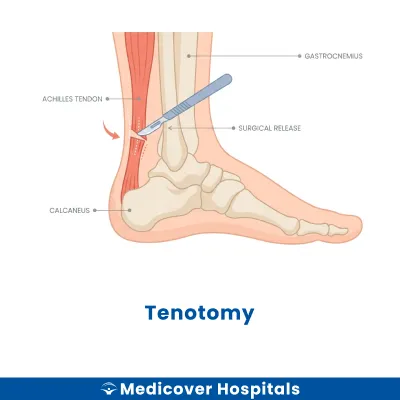
Tenotomy is a surgical procedure involving the cutting of a tendon. Tendons are the fibrous tissues connecting muscles to bones. This procedure is often performed to relieve tension or correct deformities in the affected area. It is commonly associated with the treatment of conditions affecting the limbs, such as clubfoot or cerebral palsy, where muscle tightness is an issue.
Tenotomy is needed when a tendon causes restricted movement or deformity. Conditions like tendon contractures or spasticity may require this surgery. If left untreated, these conditions can lead to pain, limited mobility, and further complications. Modern surgical approaches for tenotomy include minimally invasive techniques and percutaneous methods. These aim to reduce recovery time and improve outcomes.
Tenotomy Doctors Near You
Find experienced orthopedics for tenotomy procedures at Medicover Hospitals across India. Choose your city and book a consultation to discuss your treatment options with our specialists.
Why Choose Medicover Hospitals for Tenotomy?
Get a second opinion from trusted experts and makeconfident, informed decisions.
 Get Second Opinion
Complete Guide To Tenotomy
Everything you need to know about the procedure, preparation, and recovery
Tenotomy Surgery Indications
Doctors recommend tenotomy surgery when there is a need to release or lengthen a tendon to improve movement or relieve pain. It is often considered when conservative treatments like physical therapy or medications do not provide adequate relief.
Chronic Tendonitis
Patients experience persistent pain and swelling in the affected tendon, often worsening with activity. Doctors may find thickening of the tendon on ultrasound or MRI. Surgery is considered when rest, ice, and anti-inflammatory medications fail to alleviate symptoms.
Clubfoot
Infants with clubfoot have feet that are twisted out of shape or position. Physical examination reveals the deformity, and X-rays confirm the diagnosis. Tenotomy is recommended when casting and bracing do not fully correct the foot position.
Cerebral Palsy
Children with cerebral palsy may have muscle stiffness and difficulty moving. Doctors observe limited joint movement and muscle tightness during examination. Tenotomy is suggested when physical therapy and medications do not improve mobility.
Trigger Finger
Patients report a finger catching or locking in a bent position, often with pain. Examination shows a nodule or thickening in the tendon sheath. Surgery is considered when splinting and steroid injections fail to resolve the issue.
Achilles Tendon Contracture
Patients have difficulty walking due to tightness in the Achilles tendon. Examination reveals limited ankle movement. Tenotomy is advised when stretching exercises and orthotics do not improve flexibility.
How to Prepare for Tenotomy?
Proper preparation for tenotomy is crucial to ensure a smooth procedure and recovery. It helps in minimising risks and enhancing the effectiveness of the surgery.
- Medication Review: Inform your doctor about all medications you take. Stop NSAIDs, anticoagulants, and herbal supplements as advised.
- Fasting Guidelines: If general anaesthesia is used, fast for at least 6-8 hours before the procedure.
- Clothing: Wear loose, comfortable clothing on the day of the surgery for easy access to the surgical site.
- Transport Arrangement: Arrange for someone to drive you home post-surgery, as you may feel drowsy after anaesthesia.
- Medication List: Bring a list of your medications, including dosages, to the hospital for reference.
- Pre-Surgery Instructions: Follow any specific instructions given by your surgeon, such as avoiding certain foods or activities.
- Hygiene: Bathe and clean the surgical area as instructed to reduce infection risk.
- Rest and Relaxation: Ensure you get adequate rest the night before the surgery to help your body prepare.
Tenotomy Surgery (Step-by-Step)
Overview: Tenotomy is performed by orthopedic surgeons. The procedure typically lasts between 30 minutes to 1 hour. It can be done under local, regional, or general anaesthesia, depending on the specific case and patient needs.
- Preparation: The patient is positioned comfortably on the operating table. Anaesthesia is administered to ensure the patient feels no pain during the procedure.
- Incision: A small incision, usually about 1-2 cm, is made over the targeted tendon. The incision size may vary based on the tendon being treated.
- Exposure: The surgeon uses retractors to gently open the incision site. This allows clear visibility and access to the tendon.
- Cutting the Tendon: Using a scalpel or a tenotomy scissors, the surgeon carefully cuts the tendon. This releases tension and helps improve movement.
- Closure: Once the tendon is cut, the incision is closed with sutures. The area is then cleaned and dressed to prevent infection.
- Recovery: The patient is moved to a recovery area. They are monitored as the anaesthesia wears off. Pain management and post-operative care instructions are provided.
Who Performs Tenotomy Surgery?
Tenotomy is performed by orthopaedic surgeons. These specialists have expertise in musculoskeletal conditions. They are skilled in surgical techniques to improve tendon function and relieve pain.
Recovery After Tenotomy Surgery
Recovery from tenotomy surgery involves gradual healing and regaining mobility. It's important to follow your doctor's advice to ensure a smooth recovery process.
Day 1-3:
- Rest is crucial. Keep the operated area elevated to reduce swelling.
- Apply ice packs as advised by your doctor to manage pain and swelling.
- Avoid strenuous activities. Focus on light movements as recommended.
- Consume soft, easy-to-digest foods like curd, dal-rice, and soups.
Day 4-7:
- Continue with prescribed physiotherapy exercises to improve mobility.
- Gradually increase activity levels, but avoid heavy lifting or intense exercises.
- Include protein-rich foods like moong dal and khichdi to aid healing.
- Monitor the surgical site for any unusual changes.
Week 2-4:
- Most patients can resume light work or school activities, depending on comfort.
- Continue physiotherapy to regain strength and flexibility.
- Maintain a balanced diet with plenty of fruits and vegetables.
- Avoid high-impact activities until cleared by your doctor.
When to Seek Urgent Help:
- Severe pain not relieved by prescribed medication.
- Excessive swelling or redness around the surgical site.
- Fever or chills indicating possible infection.
- Sudden loss of movement or sensation in the affected area.
Benefits of Tenotomy Surgery
Tenotomy is a surgical procedure aimed at improving muscle function and relieving discomfort. It offers several benefits for patients.
- Pain Relief: Helps alleviate chronic pain associated with muscle tightness.
- Improved Mobility: Enhances range of motion by releasing tight muscles or tendons.
- Quick Recovery: Often involves a shorter recovery period compared to other surgical interventions.
- Minimally Invasive: Typically performed with small incisions, reducing the risk of infection.
Risks and Complications of Tenotomy Surgery
While tenotomy is generally safe, it is important to be aware of potential risks and complications.
- Common: Swelling and bruising at the surgical site.
- Common: Temporary weakness in the affected muscle.
- Rare: Infection at the incision site.
- Rare: Nerve damage leading to altered sensation.
- Rare: Excessive bleeding during or after the procedure.
- Rare: Scar tissue formation affecting muscle function.
Cost of Tenotomy Surgery
The cost of Tenotomy Surgery at Medicover Hospitals varies based on the ward category and ranges from Rs. 12,299 to Rs. 39,589. The pricing is transparent and depends on the type of accommodation chosen, such as general, twin sharing, or private rooms.
We offer insurance and TPA support, including CGHS, ESI, and major TPAs, with a cashless facility available for your convenience. Please contact the hospital for the latest insurance panel details as these may change periodically.
Frequently Asked Questions
1. How much does Tenotomy surgery cost at Medicover Hospitals?
The cost of Tenotomy surgery at Medicover Hospitals ranges from Rs.12299 to Rs.39589, depending on the specifics of the procedure and care required.
2. Is Tenotomy surgery covered under health insurance at Medicover?
Tenotomy surgery may be covered by CGHS, ESI, and major TPAs for cashless treatment. Please contact the hospital for current panel details.
3. Will I regain full mobility after Tenotomy?
Most patients regain significant mobility after Tenotomy. Physical therapy is crucial to achieve optimal movement and strength post-surgery.
4. Can I drive immediately after Tenotomy surgery?
Driving is not recommended immediately after Tenotomy surgery. It is advisable to wait at least a few weeks until you regain control and comfort.
5. Will I need crutches after Tenotomy?
Crutches might be necessary for support immediately after Tenotomy. Your doctor will guide you based on your specific recovery progress.
6. What foods help recovery after Tenotomy?
Include protein-rich foods like dal, curd, and khichdi in your diet. These help in muscle repair and recovery post-Tenotomy surgery.
7. Can Tenotomy lead to muscle weakness?
Temporary muscle weakness can occur after Tenotomy. Engaging in prescribed exercises helps in regaining strength and preventing long-term weakness.


