What is Teeth Whitening?
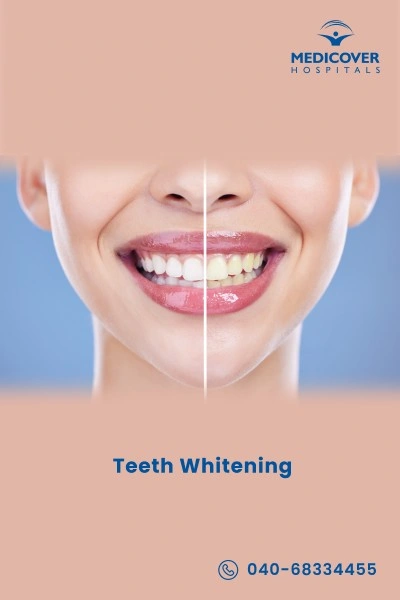
Teeth whitening is a cosmetic dental procedure designed to make teeth look brighter and remove stains or discoloration. It can be performed professionally at a dental clinic or at home using whitening kits, gels, or strips. Teeth whitening is a quick and effective way to enhance your smile and boost confidence.
How Does Professional Teeth Whitening Work?
Professional teeth whitening uses safe bleaching agents to lighten the color of teeth without damaging them. Depending on the type and depth of stains:
- Some patients see results after a single session.
- Deeper or stubborn stains may require multiple sessions.
- The procedure is fast, effective, and monitored by dental professionals to ensure safety and optimal results.
Types of teeth stains
Teeth stains are generally classified as extrinsic or intrinsic, depending on where the discoloration occurs.
Extrinsic Stains
- Location: Form on the outer surface of the teeth (enamel).
- Common Causes: Coffee, tea, red wine, smoking, and certain foods.
- Treatment: Usually removable with professional teeth cleaning or teeth whitening.
Intrinsic Stains
- Location: Occur within the tooth, affecting the dentin beneath the enamel.
- Common Causes: Aging, excess fluoride during childhood, trauma, or certain medications.
- Treatment: Often require professional teeth whitening for mild cases; more severe stains may need cosmetic treatments like veneers for optimal results.
Combination Stains
- Many people have both extrinsic and intrinsic stains.
- May require a combination of treatments, cleaning, whitening, and possibly cosmetic solutions to achieve the best results.
How Long Do Whitening Effects Last?
The effects of teeth whitening can last anywhere from a few months to up to two years, depending on various factors. The longevity of the results largely depends on your oral habits, diet, and lifestyle choices.
Factors Affecting Duration:
- Diet: Consumption of staining foods and drinks like coffee, tea, or red wine can shorten the results.
- Tobacco Use: Smoking or chewing tobacco can cause the teeth to stain more quickly.
- Oral Hygiene: Regular brushing, flossing, and professional cleanings help maintain whitening effects.
- Type of Treatment: In-office teeth whitening procedures tend to last longer compared to home teeth whitening kits or over-the-counter products.
By following proper maintenance, such as using teeth whitening toothpaste and scheduling regular visits to a teeth whitening dentist, the effects of whitening can be extended.
30-90 Minutes
Surgery Duration
Immidiate
Full Recovery Timeline
What Are The Indications For Teeth Whitening?
Teeth whitening is recommended for individuals who want to improve the appearance of their smile by addressing tooth discoloration. It is suitable for anyone seeking brighter, more aesthetically pleasing teeth.
What Conditions Does Teeth Whitening Treat?
Teeth whitening helps reduce or remove stains caused by:
- Food and drinks: Coffee, tea, red wine, and certain dark-colored foods
- Tobacco use: Yellow or brown stains from smoking or chewing
- Aging: Natural enamel wear exposing darker dentin
- Genetics: Naturally yellowish teeth
- Poor oral hygiene: Plaque or surface stain buildup
When Would A Doctor Recommend Teeth Whitening?
A dentist may recommend teeth whitening if:
- Stains or discoloration cannot be removed by regular brushing or cleaning
- You want to enhance your smile for personal or professional reasons
- You are in good oral health and do not have untreated cavities or gum disease
Who Is The Procedure For?
Teeth whitening is suitable for:
- Adults with healthy teeth and gums.
- Individuals with surface stains or mild to moderate discoloration.
- Those seeking cosmetic improvement rather than treatment for decay or structural dental issues
How Should I Prepare Before Teeth Whitening?
Preparation helps ensure the best results and protects your teeth and gums. Key steps include:
For in-office teeth whitening
- Dental cleaning: Your dentist will clean your teeth to remove plaque, tartar, and surface debris.
- Gum protection A protective barrier or gel is applied to your gums to prevent irritation from the whitening solution.
- Comfort and questions: Ask your dentist any questions about sensitivity, duration, or expected results.
For at-home teeth whitening
- Custom trays: Your dentist may create trays that fit snugly over your teeth.
- Instructions Follow guidance carefully on applying whitening gel and how long to wear the trays.
- Consistency Use the trays as instructed to achieve optimal results.
What Tests Or Assessments Are Done Before Whitening?
- Dental check-up Your dentist examines your teeth and gums to ensure they are healthy and free of cavities or infections.
- Assessment of stains The type and depth of tooth stains are evaluated to determine the most effective whitening method.
Should I Stop Eating, Drinking, Or Taking Medicines?
- Avoid foods or drinks that can stain teeth (like coffee, tea, or red wine) before the procedure.
- Continue your regular medications unless your dentist gives specific instructions.
What Happens Before The Whitening Procedure?
- Your dentist cleans your teeth and applies gum protection.
- For in-office whitening, the professional prepares the whitening gel and explains the procedure.
- For at-home whitening, you'll be instructed on how to apply the gel and use the trays safely.
- Follow all pre-procedure instructions to reduce sensitivity and achieve the best results.
What Happens During The Teeth Whitening Procedure?
The teeth whitening procedure is a professional treatment designed to lighten the color of your teeth, offering a brighter, more radiant smile. This procedure is typically performed in a dental office for faster and more effective results.
In-Office Teeth Whitening Procedure
- Consultation: The dentist examines your teeth to determine the best whitening option based on your oral health and the type of stains.
- Teeth Cleaning: A thorough cleaning removes plaque and tartar, ensuring the whitening agent works effectively.
- Isolation: A protective barrier or gel is applied to your gums to shield them from the whitening solution and prevent irritation.
- Application of Whitening Gel: A professional-grade whitening gel (typically containing hydrogen peroxide) is applied to the tooth surfaces.
- Activation: Sometimes, a special light or laser is used to activate the whitening gel, speeding up the chemical reaction that removes stains.
- Reapplication & Monitoring: The gel may be reapplied several times during the session, with the dentist monitoring your comfort and progress.
- Rinsing and Final Check: Once the desired whitening is achieved, the gel is rinsed off, protective barriers are removed, and the dentist evaluates the results. A fluoride treatment may be applied to reduce sensitivity.
At-Home Teeth Whitening Procedure
- Custom Trays: Your dentist provides custom-made trays designed to fit your teeth perfectly.
- Whitening Gel Application: You apply the prescribed whitening gel into the trays as instructed.
- Wearing the Trays: Typically worn for several hours a day or overnight, based on your dentist's recommendation.
- Duration & Follow-Up: Treatment usually lasts several days to weeks. Your dentist monitors progress and guides during follow-up consultations.
This professional procedure offers faster and more noticeable results compared to over-the-counter whitening kits, with a focus on safety and effectiveness.
Who Will Do Teeth Whitening?
Teeth whitening treatments are typically administered by dental professionals who specialize in cosmetic dentistry. A teeth whitening dentist will assess your oral health and recommend the most effective treatment option, whether it's an in-office procedure or an at-home kit. They ensure safe application and optimal results tailored to your needs.
Specialists:
- Dentist
- Cosmetic Dentist
- Dental Hygienist
- Oral Surgeon
Recovery after Teeth Whitening
Teeth whitening recovery is generally quick, with most patients experiencing minimal downtime. Any discomfort, such as tooth sensitivity or gum irritation, typically subsides within a few hours to a few days.
- Avoid Staining Foods: Refrain from consuming coffee, tea, or other staining substances for at least 48 hours after treatment.
- Maintain Oral Hygiene: Brush gently with a soft-bristled toothbrush and use fluoride toothpaste to reduce sensitivity.
- Stay Hydrated: Drink plenty of water to keep your mouth hydrated and promote healing.
- Use Sensitivity Toothpaste: If tooth sensitivity persists, consider using a desensitizing toothpaste recommended by your teeth whitening dentist.
Following these steps will help ensure a smooth and comfortable recovery while maintaining the results of your teeth whitening treatment.
Lifestyle Changes after Teeth Whitening
After undergoing teeth whitening treatment, certain lifestyle changes can help maintain the results and protect your teeth from further staining. Adopting these habits ensures long-lasting brightness and overall oral health.
- Avoid Staining Foods and Drinks: Limit coffee, tea, red wine, and dark-colored foods that can stain teeth.
- Quit Smoking: Tobacco use can cause significant staining and diminish the results of whitening treatments.
- Proper Oral Hygiene: Brush teeth twice daily with a whitening toothpaste and floss regularly to maintain cleanliness.
- Use a Straw: When drinking beverages like coffee or soda, using a straw helps reduce contact with teeth, preventing stains.
- Regular Dental Checkups: Visit your teeth whitening dentist for professional cleanings and checkups to keep your teeth healthy.
These lifestyle adjustments, combined with regular teeth whitening maintenance, will help keep your smile bright and healthy.
What Are The Benefits Of Teeth Whitening?
- Brighter, Whiter Smile: Teeth whitening effectively removes stains caused by coffee, tea, wine, tobacco, and aging, resulting in a visibly whiter and brighter smile.
- Boosts Self-Confidence: A whiter smile often improves self-esteem and confidence in social and professional situations, helping you feel better about your appearance.
- Quick and Effective Results: In-office teeth whitening provides fast, noticeable results in just one session, while at-home kits offer gradual improvement over several days or weeks.
- Safe When Done Professionally: Professional teeth whitening uses regulated concentrations of bleaching agents, reducing the risk of damage to tooth enamel or gum irritation compared to unregulated home remedies.
- Customized Treatment: Dentists assess your teeth and recommend a treatment plan that suits your needs, ensuring the best results while minimizing sensitivity or side effects.
- Non-Invasive Cosmetic Procedure: Teeth whitening is a non-invasive, painless procedure that does not require surgery or complex dental work, making it convenient for most patients.
- Improved Oral Hygiene Motivation: After whitening, many patients are motivated to maintain better oral hygiene to preserve their brighter smile, improving overall dental health.
Complications Or Risks Of Teeth Whitening
While teeth whitening is generally safe when performed correctly, it can lead to some temporary or long-term side effects, including:
- Tooth sensitivity: Increased sensitivity to hot, cold, or sweet foods and drinks, especially shortly after treatment.
- Gum irritation: Whitening agents may irritate the gums, causing redness, inflammation, or mild burning.
- Enamel damage: Overusing or misusing whitening products may weaken or erode tooth enamel.
- Uneven whitening: Teeth with fillings, crowns, or veneers may not whiten evenly, resulting in a patchy appearance.
- Throat or stomach irritation: If whitening gel is accidentally swallowed, it may cause mild irritation.
- Allergic reactions: Rarely, some individuals may react to the chemicals used in the whitening products.
How Much Does It Cost To Whiten Your Teeth In India?
The cost of teeth whitening in India generally ranges from Rs. 5,000 to Rs. 15,000 for professional in-office treatments. Advanced options like laser whitening may cost between Rs. 7,000 to Rs. 12,000, while ZOOM light-activated whitening is usually around Rs. 12,000.
For those looking for more affordable options, at-home whitening kits cost approximately Rs. 3,000 to Rs. 9,000, and over-the-counter products like whitening strips, toothpaste, or charcoal powder can range from Rs. 200 to Rs. 6,000.
The final price depends on factors such as the clinic's location, the type of treatment chosen, the extent of tooth discoloration, and the technology used.
 040 68334455
 WhatsApp
 Patient Portal
 Home Care