 Call
Call Patient Reports
Best Hospital for TC Chemotherapy Procedure by Expert Oncologists
At Medicover Hospitals, our experienced oncologists, with qualifications like MS, DNB, MCh, and DM, offer TC Chemotherapy using the open surgical approach. This method is effective for treating various cancers, ensuring reduced blood loss and shorter hospital stays for patients across India.
Expert Specialists
Yearly Treatments
Patient Satisfaction
What is TC Chemotherapy?
TC Chemotherapy is a treatment regimen used primarily for breast cancer. It combines two drugs: Docetaxel and Cyclophosphamide. These drugs work together to target and destroy cancer cells in the breast. By interfering with the cancer cells' ability to divide and grow, this chemotherapy helps in reducing the tumour size and preventing the spread of cancer.
TC Chemotherapy is often recommended for patients with early-stage breast cancer or those who have a high risk of recurrence. If breast cancer is left untreated, it can spread to other parts of the body, making it more difficult to treat. Modern surgical approaches, such as lumpectomy or mastectomy, may be used alongside TC Chemotherapy to improve outcomes and manage the disease effectively.
TC Chemotherapy Doctors Near You
Find experienced oncologists across Medicover locations in India. Choose your city and book a consultation to discuss TC chemotherapy options tailored to your needs.
Why Choose Medicover Hospitals for TC Chemotherapy?
Get a second opinion from trusted experts and makeconfident, informed decisions.
 Get Second Opinion
Complete Guide To Tc Chemotherapy
Everything you need to know about the procedure, preparation, and recovery
TC Chemotherapy Procedure Indications
Doctors recommend TC Chemotherapy, a combination of docetaxel and cyclophosphamide, for certain types of cancer. It is often chosen when specific symptoms and diagnostic findings suggest its potential effectiveness.
Early-Stage Breast Cancer
Patients may experience a lump or changes in breast tissue. Imaging tests like mammograms or ultrasounds reveal suspicious masses. When initial treatments like surgery or radiation are insufficient, TC Chemotherapy may be advised.
Node-Positive Breast Cancer
Swelling or lumps in the underarm area can indicate lymph node involvement. Biopsies and imaging confirm cancer spread to lymph nodes. If surgery and radiation do not fully address the spread, TC Chemotherapy is considered.
Triple-Negative Breast Cancer
Patients often report rapid tumour growth and breast changes. Lab tests show the absence of hormone receptors and HER2 protein. When hormone therapies are ineffective, TC Chemotherapy becomes a treatment option.
HER2-Negative Breast Cancer
Symptoms include breast lumps and changes in skin texture. Tests confirm the lack of HER2 protein expression. If targeted therapies are not suitable, TC Chemotherapy is recommended.
High-Risk Breast Cancer
Patients may have a family history and genetic predispositions. Genetic testing and imaging reveal aggressive cancer types. When other treatments don't reduce risk adequately, TC Chemotherapy is suggested.
How to Prepare for TC Chemotherapy?
Preparation is crucial for TC Chemotherapy to ensure the treatment is effective and to minimise side effects. Proper preparation helps in managing the physical and emotional aspects of chemotherapy.
- Medication Review: Stop NSAIDs, anticoagulants, and herbal supplements as advised by your doctor.
- Fasting Guidelines: Follow a fasting period of at least 6 hours before the procedure if anaesthesia is involved.
- Hydration: Stay well-hydrated before the procedure, unless instructed otherwise by your healthcare provider.
- Comfortable Clothing: Wear loose, comfortable clothing on the day of the treatment for ease and comfort.
- Transport Arrangement: Arrange for someone to drive you home post-treatment as you may feel fatigued.
- Medication List: Bring a list of all medications you are taking, including dosages, to share with your healthcare team.
- Emotional Support: Consider bringing a friend or family member for emotional support during the session.
- Rest and Relaxation: Ensure you get a good night's sleep before the treatment to help your body cope better.
TC Chemotherapy procedure (Step-by-Step)
TC Chemotherapy is administered by experienced specialists from the Oncology department. Each treatment session generally lasts a few hours and does not require anaesthesia, as it is a non-surgical cancer treatment.
- Consultation and Planning: The oncologist assesses the patient's condition and plans the chemotherapy regimen. The patient discusses any concerns and learns about potential side effects.
- Preparation: Before starting, the patient may undergo blood tests to ensure they are fit for the session. The patient is advised to eat a light meal and stay hydrated.
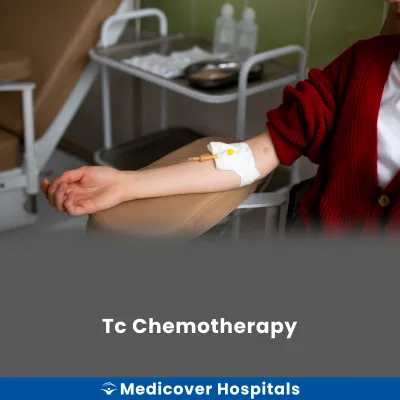
- Intravenous Access: A nurse inserts an intravenous (IV) line, usually in the arm. This is where the chemotherapy drugs will be administered. The patient may feel a slight pinch.
- Drug Administration: The chemotherapy drugs, typically a combination of Docetaxel and Cyclophosphamide, are infused through the IV line. This process can take a few hours. The patient can relax, read, or listen to music during this time.
- Monitoring: Throughout the session, the healthcare team monitors the patient for any immediate reactions. Vital signs are checked regularly to ensure safety.
- Post-Treatment Care: After the infusion, the IV line is removed. The patient may feel tired and is advised to rest. Drinking plenty of fluids is recommended to help flush the drugs from the body.
- Follow-Up: The patient schedules follow-up appointments to monitor progress and manage any side effects. Blood tests may be repeated to assess the body's response to treatment.
Who performs the TC Chemotherapy procedure?
TC Chemotherapy is administered by skilled oncologists who specialize in cancer treatment. They are supported by a team of nurses and healthcare professionals. This team ensures the safe and effective delivery of chemotherapy drugs.
Recovery After TC Chemotherapy Procedure
Recovering from TC Chemotherapy can vary for each individual. It's important to listen to your body and follow your doctor's advice. Expect some fatigue and changes in appetite. Gradual improvement is common, but be mindful of your body's signals.
Day 1-3:
- Rest is crucial. Avoid strenuous activities.
- Stay hydrated. Drink plenty of water and herbal teas.
- Eat light meals like dal-rice or moong dal soup to ease digestion.
Day 4-7:
- Begin gentle activities like walking, if you feel up to it.
- Continue with a soft diet. Include curd, khichdi, and vegetable soups.
- Monitor for any side effects and report them to your doctor.
Day 8-14:
- Gradually increase activity levels, but avoid heavy lifting.
- Return to work or school may be possible, depending on how you feel.
- Maintain a balanced diet with protein-rich foods like paneer and lentils.
Phase 3: Beyond 2 Weeks
- Most side effects should start to subside.
- Continue to eat nutritious meals and stay active.
- Regular follow-ups with your doctor are important for monitoring recovery.
When to Seek Urgent Help
- High fever or chills.
- Unusual bleeding or bruising.
- Severe nausea or vomiting that doesn't improve.
- Shortness of breath or chest pain.
If you experience any of these symptoms, contact your healthcare provider immediately.
Benefits of the TC Chemotherapy procedure
TC Chemotherapy, combining Taxotere (docetaxel) and Cyclophosphamide, is a treatment option for certain cancers. It offers several benefits:
- Effective Treatment: Targets and destroys cancer cells, helping to reduce tumour size.
- Combination Therapy: Utilises two drugs to enhance the overall effectiveness against cancer.
- Outpatient Procedure: Often administered in an outpatient setting, allowing patients to return home the same day.
- Potential for Remission: Increases the chances of achieving remission in certain cancer types.
Risks and Complications of the TC Chemotherapy procedure
While TC Chemotherapy can be effective, it also carries certain risks and complications. It is important to be aware of these:
- Common: Nausea and vomiting may occur during or after treatment.
- Common: Hair loss is a frequent side effect, though usually temporary.
- Common: Fatigue is often experienced, impacting daily activities.
- Rare: Risk of infection due to lowered white blood cell count.
- Rare: Allergic reactions can occur, requiring immediate medical attention.
- Rare: Heart problems may develop, particularly with long-term use.
Cost of TC Chemotherapy Procedure
The cost of TC Chemotherapy procedure ranges from Rs. 2733 to Rs. 8227 across Medicover Hospitals. The price varies depending on the ward category chosen, such as outpatient, day care, general, and private rooms. We offer transparent pricing to ensure clarity for our patients.
Insurance and TPA support is available, with acceptance of CGHS, ESI, and major TPAs. A cashless facility is also provided for added convenience. Please contact the hospital for the latest insurance panel details as these may change periodically.
Frequently Asked Questions
1. How much does TC Chemotherapy cost?
The TC Chemotherapy procedure costs between Rs. 2733 and Rs. 8227 at Medicover Hospitals, depending on the specific treatment plan.
2. Is TC Chemotherapy covered under insurance?
TC Chemotherapy may be covered by CGHS, ESI, and major TPAs. Please contact the hospital for current panel details.
3. Will TC Chemotherapy affect my hair?
Hair loss is a common side effect of TC Chemotherapy. It usually begins a few weeks after starting treatment.
4. Can I eat spicy food during TC Chemotherapy?
It is advisable to avoid spicy food during TC Chemotherapy. Opt for bland options like curd, dal-rice, and khichdi.
5. Will TC Chemotherapy cause nausea?
Nausea is a frequent side effect of TC Chemotherapy. Medications can help manage this symptom effectively.
6. Can TC Chemotherapy affect fertility?
TC Chemotherapy may impact fertility in some patients. Discuss fertility preservation options with your doctor before starting treatment.
7. Is fatigue common after TC Chemotherapy?
Fatigue is a common experience after TC Chemotherapy. Rest and a balanced diet can help manage this symptom.
8. What is TC chemo vs AC chemo?
TC chemotherapy stands for docetaxel (Taxotere) + cyclophosphamide, while AC chemotherapy stands for doxorubicin (Adriamycin) + cyclophosphamide. TC is often used as an alternative to AC, especially to avoid certain side effects like heart-related toxicity associated with doxorubicin.
9. How many cycles of TC chemo?
TC chemotherapy is commonly given in 4 cycles, usually once every 3 weeks, though the exact number may vary based on the patient's condition and treatment plan.
10. Do you always lose your hair with TC chemo?
Hair loss is common with TC chemotherapy, but it is not guaranteed for everyone. Some patients experience complete hair loss, while others may have thinning. Hair typically grows back after treatment ends.


