 Call
Call Patient Reports
Systemic To Pulmonary Artery Shunt Surgery Hospital by Expert Ctvs specialists
The Systemic To Pulmonary Artery Shunt at Medicover Hospitals is performed using an open surgical approach. Our team of surgeons, holding qualifications like MS, MCh, and DNB, ensures precise execution. This procedure often results in reduced recovery time and shorter hospital stays for patients.
Expert Surgeons
Yearly Surgeries
Patient Satisfaction
What is Systemic To Pulmonary Artery Shunt?
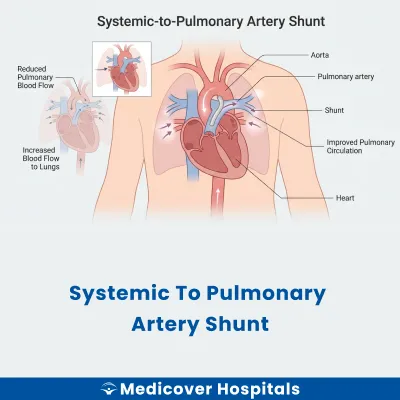
A Systemic To Pulmonary Artery Shunt is a surgical procedure that creates a connection between the systemic circulation (blood flow from the body) and the pulmonary artery (the vessel carrying blood to the lungs). This procedure helps increase blood flow to the lungs. It is often used in cases where the heart cannot pump enough blood to the lungs due to congenital heart defects.
This surgery is crucial for children with certain heart conditions, like Tetralogy of Fallot or pulmonary atresia. These conditions restrict blood flow to the lungs. Without treatment, it can lead to severe complications or even be life-threatening. Modern surgical approaches include the Blalock-Taussig shunt and the central shunt. These techniques help improve oxygenation and overall heart function.
Systemic To Pulmonary Artery Shunt Doctors Near You
Find expert CTVS-cardiothoracic-and-vascular-surgery specialists for systemic to pulmonary artery shunt procedures at Medicover Hospitals across India. Choose your city and book a consultation today.
Why Choose Medicover Hospitals for Systemic To Pulmonary Artery Shunt?
Get a second opinion from trusted experts and makeconfident, informed decisions.
 Get Second Opinion
Complete Guide To Systemic To Pulmonary Artery Shunt
Everything you need to know about the procedure, preparation, and recovery
Systemic To Pulmonary Artery Shunt Surgery Indications
Doctors recommend Systemic To Pulmonary Artery Shunt surgery when there is a need to improve blood flow to the lungs. It is often considered when other treatments are insufficient to manage symptoms or improve oxygenation.
Tetralogy of Fallot
Patients may experience cyanosis, fatigue, and difficulty breathing. Doctors may find reduced oxygen saturation and abnormal heart sounds. When medication and oxygen therapy do not alleviate symptoms, surgery is advised.
Pulmonary Atresia
Newborns may show severe cyanosis and breathing difficulties. Echocardiograms reveal blocked pulmonary valves. If initial interventions like prostaglandin therapy fail, a shunt is necessary to ensure adequate blood flow.
Tricuspid Atresia
Infants often present with cyanosis and poor feeding. Diagnostic tests show underdeveloped tricuspid valves and restricted blood flow. When medical management is inadequate, a shunt is recommended to improve circulation.
Hypoplastic Left Heart Syndrome
Babies exhibit rapid breathing and poor feeding. Imaging shows an underdeveloped left side of the heart. Surgery becomes crucial when supportive care does not maintain stable oxygen levels.
Severe Pulmonary Stenosis
Patients may have difficulty breathing and fatigue. Tests reveal narrowed pulmonary valves. When balloon valvuloplasty is ineffective, a shunt is considered to enhance blood flow to the lungs.
How to Prepare for Systemic To Pulmonary Artery Shunt?
Proper preparation is crucial for a successful Systemic To Pulmonary Artery Shunt. It ensures the safety and effectiveness of the procedure, minimising risks and complications.
- Medication Review: Stop NSAIDs, anticoagulants, and herbal supplements as advised by your doctor.
- Fasting Requirement: Fast for at least 8 hours before the surgery to prepare for anaesthesia.
- Pre-Surgery Tests: Complete all required blood tests, X-rays, or ECGs as instructed.
- Clothing: Wear loose, comfortable clothing on the day of the surgery.
- Transportation: Arrange for someone to drive you home post-surgery.
- Medication List: Bring a list of all medications with dosages you are currently taking.
- Smoking and Alcohol: Avoid smoking and alcohol for at least 24 hours before the procedure.
- Hydration: Stay well-hydrated up until the fasting period begins.
Systemic To Pulmonary Artery Shunt Surgery (Step-by-Step)
Overview: This procedure is performed by CTVS (Cardiothoracic and Vascular Surgery) specialists. It typically lasts between 3 to 5 hours and is conducted under general anaesthesia.
- Preparation: The patient is placed under general anaesthesia. Vital signs are monitored closely. The surgical area is sterilised.
- Incision: A small incision, usually 5-7 cm, is made in the chest to access the heart and major blood vessels.
- Exposure: The surgeon uses retractors to gently open the chest cavity. This allows clear access to the heart and pulmonary artery.
- Shunt Placement: A Gore-Tex or similar synthetic tube is used to create a connection between the systemic artery and the pulmonary artery. This helps improve blood flow to the lungs.
- Securing the Shunt: The shunt is carefully sutured in place using fine surgical instruments like needle holders and forceps. Bipolar cautery may be used to control bleeding.
- Closure: The chest is closed with sutures or staples. The incision is dressed to prevent infection.
- Recovery: The patient is moved to the recovery room. Vital signs are monitored as they wake from anaesthesia.
Who Performs Systemic To Pulmonary Artery Shunt Surgery?
This surgery is performed by cardiothoracic surgeons. They specialise in procedures involving the heart, lungs, and major blood vessels. Their expertise ensures the procedure is conducted with precision.
Recovery After Systemic To Pulmonary Artery Shunt Surgery
Recovery from Systemic To Pulmonary Artery Shunt Surgery involves gradual healing and adjustment. Patients need to follow medical advice closely to ensure a smooth recovery process.
Day 1-3:
- Hospital stay is common. Medical staff monitor vital signs and manage pain.
- Start with a liquid diet. Gradually introduce soft foods like soups and curd.
Day 4-7:
- Continue with soft, easy-to-digest foods like dal-rice and khichdi.
- Encourage gentle movements. Avoid strenuous activities.
- Regular follow-up with the healthcare team is essential.
Week 2-4:
- Gradually increase physical activity as advised by the doctor.
- Return to school or work may be possible, depending on recovery progress.
- Include protein-rich foods like moong dal to aid healing.
Month 2-3:
- Most daily activities can be resumed, but avoid heavy lifting.
- Continue with a balanced diet to support overall health.
When to Seek Urgent Help
- Sudden chest pain or difficulty breathing.
- Fever or signs of infection at the incision site.
- Unusual swelling or redness around the surgical area.
- Persistent vomiting or inability to eat.
Benefits of Systemic To Pulmonary Artery Shunt Surgery
This procedure helps improve blood flow to the lungs in certain heart conditions.
- Improved Oxygenation: Enhances oxygen levels in the blood by increasing lung perfusion.
- Symptom Relief: Reduces symptoms like breathlessness and fatigue in patients with congenital heart defects.
- Bridge to Further Treatment: Serves as a temporary solution until definitive surgery can be performed.
- Enhanced Quality of Life: Allows patients to engage in more physical activities with less discomfort.
Risks and Complications of Systemic To Pulmonary Artery Shunt Surgery
While beneficial, this surgery carries certain risks and complications.
- Common: Bleeding during or after the procedure.
- Common: Infection at the surgical site.
- Rare: Shunt blockage, leading to reduced blood flow.
- Rare: Pulmonary hypertension due to increased blood flow to the lungs.
- Rare: Heart rhythm disturbances post-surgery.
- Rare: Need for additional surgeries if complications arise.
Cost of Systemic To Pulmonary Artery Shunt Surgery
The cost of Systemic To Pulmonary Artery Shunt Surgery can vary starting from ₹2,50,000 - ₹6,50,000 based on the surgical approach, duration of hospital stay, room category, required diagnostics, and post-operative care.
At Medicover Hospitals, we offer transparent pricing to ensure clarity. We support various insurance and TPA options, including CGHS, ESI, and major TPAs, with a cashless facility available for your convenience. Please contact the hospital for the latest insurance panel details as these may change periodically.
Frequently Asked Questions
1. How much does Systemic To Pulmonary Artery Shunt surgery cost at Medicover Hospitals?
The cost of Systemic To Pulmonary Artery Shunt surgery varies starting from ₹2,50,000 - ₹6,50,
2. Please contact Medicover Hospitals for detailed pricing information. 2. Is Systemic To Pulmonary Artery Shunt surgery covered under health insurance at Medicover?
This surgery may be covered under CGHS, ESI, and major TPAs. Please contact the hospital for current panel details.
3. Can I exercise after Systemic To Pulmonary Artery Shunt surgery?
Light activities can usually resume after a few weeks. Consult your doctor for a tailored exercise plan.
4. Will my child need oxygen support post-surgery?
Some children may require temporary oxygen support. Your doctor will guide you based on your child's condition.
5. Is there a risk of infection after this surgery?
Infection is a potential risk after the surgery. Follow your doctor's instructions to minimize this risk.
6. What dietary changes are needed post-surgery?
A balanced diet including curd, dal-rice, and fruits is recommended. Avoid spicy and oily foods initially.
7. How soon can my child return to school?
Children typically return to school in 4-6 weeks. Confirm with your doctor based on your child's recovery progress.


