 Call
Call Patient Reports
Best Hospital for Surgical Removal of Corn Surgery by Expert Pediatric Surgeon
At Medicover Hospitals, the surgical removal of corn is performed using the open surgical approach. Our team includes specialists with qualifications such as MS and M.Ch in Paediatric Surgery. This method ensures effective treatment, often resulting in shorter hospital stays for young patients.
Expert Surgeons
Yearly Surgeries
Patient Satisfaction
What is Surgical Removal of Corn?
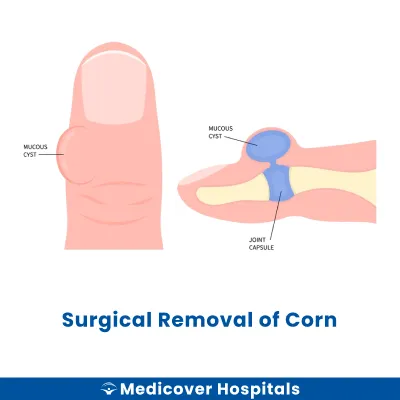
Surgical removal of corn is a procedure to excise a corn, a thickened area of skin, usually on the foot. Corns develop due to repeated pressure or friction. The surgery involves removing the hardened skin and any underlying bony prominence. This helps relieve pain and prevent further complications.
This surgery is needed when conservative treatments fail. Conditions like hammertoes or ill-fitting shoes can lead to corns. If left untreated, corns can cause significant pain and discomfort. They may also lead to infections. Modern surgical approaches include minimally invasive techniques and laser surgery. These methods aim to reduce recovery time and improve outcomes.
Surgical Removal of Corn Doctors Near You
Find experienced pediatric-surgeons for corn removal at Medicover Hospitals across India. Choose your city and book a consultation to address your child's needs effectively.
Why Choose Medicover Hospitals for Surgical Removal of Corn?
Get a second opinion from trusted experts and makeconfident, informed decisions.
 Get Second Opinion
Complete Guide To Surgical Removal Of Corn
Everything you need to know about the procedure, preparation, and recovery
Surgical Removal of Corn Surgery Indications
Doctors may recommend surgical removal of corn when conservative treatments fail to provide relief. This procedure is considered when corns cause significant discomfort or complications.
Persistent Pain
Patients often experience sharp or throbbing pain in the affected area, especially when walking or standing. On examination, the corn may appear thickened and inflamed. Surgery is considered when pain persists despite using pads, footwear modifications, or topical treatments.
Recurrent Corns
Some patients develop corns that repeatedly return after conservative treatment. Doctors may find that the corn's root is deep or that there's an underlying bone deformity. Surgery is recommended when recurrence affects daily activities.
Infection
Infected corns can cause redness, swelling, and pus discharge. A doctor might notice increased warmth and tenderness around the corn. If antibiotics and other treatments do not resolve the infection, surgical removal may be necessary.
Ulceration
Patients with diabetes or poor circulation may develop ulcers beneath the corn. This can lead to open sores and increased risk of infection. Surgery is advised when ulcers do not heal with standard wound care.
Severe Deformity
In some cases, corns are associated with significant foot deformities, causing misalignment and pressure. Imaging may reveal bone abnormalities. Surgery is considered when deformity correction is required to prevent corn recurrence.
How to Prepare for Surgical Removal of Corn?
Proper preparation is essential for a smooth surgical removal of corn. It helps in reducing risks and ensures a quicker recovery.
- Consult Your Doctor: Discuss your medical history and current medications.
- Medication Adjustments: Stop NSAIDs, anticoagulants, and herbal supplements as advised by your doctor.
- Fasting Requirements: Fast for at least 6-8 hours before the procedure if general anaesthesia is used.
- Foot Hygiene: Clean your feet thoroughly before the surgery to prevent infection.
- Wear Loose Clothing: Choose comfortable, loose-fitting clothes for easy dressing post-surgery.
- Transportation: Arrange for someone to drive you home after the procedure.
- Medication List: Bring a list of your medications with dosages for the medical team.
- Rest and Relax: Ensure you get adequate rest the night before the surgery.
Surgical Removal of Corn Surgery (Step-by-Step)
The procedure typically lasts 30-60 minutes. It is usually done under local anaesthesia.
- Preparation: The patient is positioned comfortably. The area around the corn is cleaned and sterilized. Local anaesthesia is administered to numb the area.
- Incision: A small incision, usually 1-2 cm, is made around the corn using a scalpel. This allows access to the corn and surrounding tissue.
- Removal: The surgeon uses a curette to carefully remove the corn. The surrounding dead skin is also excised to prevent recurrence.
- Inspection: The area is inspected to ensure all corn material is removed. Any remaining tissue causing pressure is addressed.
- Closure: The incision may be left open to heal naturally or closed with sutures if necessary. A dressing is applied to protect the area.
- Recovery: The patient is monitored briefly before being allowed to go home. Instructions on wound care and activity restrictions are provided.
- Follow-up: A follow-up appointment is scheduled to check healing and remove any sutures if used.
Who performs the surgical removal of Corn Surgery?
A Pediatric surgeon, specializing in foot and ankle conditions, performs this procedure. They have expertise in treating various foot-related issues, ensuring effective management of corns.
Recovery After Surgical Removal of Corn Surgery
After the surgical removal of a corn, you can expect some discomfort and swelling. It's important to follow your doctor's instructions for a smooth recovery. Here's a general timeline to help you understand what to expect.
Day 1-3:
- Rest and keep your foot elevated to reduce swelling.
- Apply ice packs as advised by your doctor.
- Keep the surgical area clean and dry.
- Stick to a soft diet with foods like curd, dal-rice, and soups to maintain energy levels.
Day 4-7:
- Gradually increase light activities as tolerated.
- Avoid putting pressure on the affected foot.
- Continue with a nutritious diet including khichdi and moong dal.
- Attend follow-up appointments for dressing changes and to monitor healing.
Day 8-14:
- Swelling and discomfort should start to decrease.
- You may begin to walk short distances but avoid strenuous activities.
- Return to work or school if your job does not require physical exertion.
- Maintain a balanced diet to support healing.
Phase 3 (Week 3-4):
- Most patients can resume normal activities.
- Continue to protect the area from excessive pressure.
- Wear comfortable footwear to prevent recurrence.
When to Seek Urgent Help:
- Severe pain not relieved by medication.
- Signs of infection such as redness, warmth, or pus.
- Fever or chills.
- Excessive swelling or bleeding.
Benefits of Surgical Removal of Corn Surgery
Surgical removal of corn can offer relief from persistent pain and discomfort caused by corns.
- Pain Relief: Eliminates the source of pain, providing immediate comfort.
- Improved Mobility: Enhances walking ability by removing the corn.
- Prevents Recurrence: Reduces the chance of the corn returning when combined with proper footwear.
- Quick Recovery: Most patients can resume normal activities shortly after the procedure.
Risks and Complications of Surgical Removal of Corn Surgery
While generally safe, surgical removal of corn carries some risks and potential complications.
- Common: Infection at the surgical site, which may require antibiotics.
- Common: Scarring, which can occur as the skin heals.
- Rare: Nerve damage, leading to numbness or tingling.
- Rare: Recurrence of the corn if preventive measures are not followed.
- Rare: Delayed healing, especially in patients with underlying health conditions.
Cost of Surgical Removal of Corn Surgery
The cost of Surgical Removal of Corn Surgery in India typically ranges from ₹5,000 to ₹20,000, depending on the surgical approach, duration of hospital stay, room category, required diagnostics, and post-operative care.
At Medicover Hospitals, we ensure transparent pricing for all procedures. We support insurance and TPA services, including CGHS, ESI, and major TPAs, with a cashless facility available. Please contact the hospital for the latest insurance panel details as these may change periodically.
Frequently Asked Questions
1. How much does Surgical Removal of Corn surgery cost at Medicover Hospitals?
The cost of Surgical Removal of Corn Surgery in India typically ranges from ₹5,000 to ₹20,000, depending on the surgical approach, diagnostic tests, hospital stay, and post-operative care. The cost of Surgical Removal of Corn surgery varies. Please contact Medicover Hospitals for detailed pricing information.
2. Is Surgical Removal of Corn surgery covered under health insurance at Medicover?
Many insurance providers, including CGHS, ESI, and major TPAs, may cover this surgery. Please contact the hospital for current panel details.
3. Will I be able to walk immediately after corn removal?
Walking is usually possible shortly after the procedure. However, it's advised to avoid putting pressure on the foot for a few days.
4. Can corn reappear after surgical removal?
There is a possibility of recurrence if pressure on the foot isn't managed. Wearing comfortable shoes can help prevent this.
5. How do I care for my foot after corn surgery?
Keep the area clean and dry, and follow your doctor's advice. Avoid wearing tight footwear to aid healing.
6. Will I need crutches after corn surgery?
Crutches might be recommended to avoid pressure on the foot. Your doctor will advise based on your specific case.
7. Can I resume sports activities after corn removal?
It's best to avoid sports for at least two weeks to allow healing. Consult your doctor before resuming strenuous activities.
8. Can foot corn be surgically removed?
Yes, foot corns can be surgically removed if they are painful, recurrent, or do not respond to conservative treatments like padding or medications. Minor procedures are usually done under local anesthesia.
9. Do corns need to be surgically removed?
Not always. Most corns can be managed with non-surgical treatments such as proper footwear, cushioning, and trimming by a healthcare professional. Surgery is considered only in persistent or severe cases.
10. Is anesthesia needed for corn removal?
Yes, anesthesia is usually used during corn removal, but it is typically local anesthesia. This numbs the area so the procedure is painless while you remain awake. For minor corn trimming, anesthesia may not always be required, but for surgical removal, local anesthesia is commonly used.


