 Call
Call Patient Reports
Surgical Management of TBSA Burns Surgery by Expert Plastic surgeons
At Medicover Hospitals, the surgical management of TBSA burns in children is expertly handled by our team of Plastic surgeons with qualifications such as MD, DNB. We employ open surgical techniques to ensure effective treatment. This approach often results in reduced blood loss during procedures.
Expert Surgeons
Yearly Surgeries
Patient Satisfaction
What is Surgical Management of Tbsa Burns?
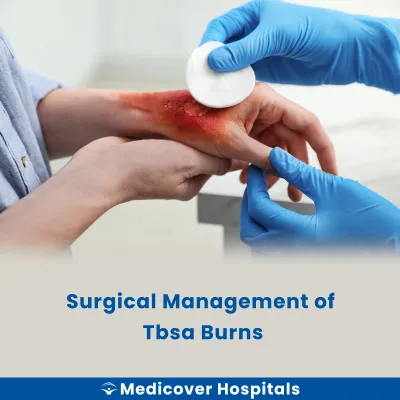
Surgical management of TBSA (Total Body Surface Area) burns involves medical procedures to treat severe burns covering a significant portion of the skin. The skin, being the body's largest organ, is crucial for protection and temperature regulation. In cases where burns damage extensive areas, surgical intervention is necessary to aid healing and restore function.
This surgery is needed when burns are extensive and deep, affecting the skin's ability to heal naturally. Conditions leading to this include severe thermal, chemical, or electrical burns. Without treatment, there is a high risk of infection, fluid loss, and other complications. Modern surgical approaches include skin grafting, where healthy skin is transplanted to the affected area, and flap surgery, which uses tissue from another part of the body to cover the burn. These techniques help in recovery and improve outcomes.
Surgical Management of Tbsa Burns Doctors Near You
Discover expert plastic surgeons for TBSA burns management at Medicover Hospitals across India. Choose your city and book a consultation to ensure your child's health is in capable hands.
Why Choose Medicover Hospitals for Surgical Management of Tbsa Burns?
Get a second opinion from trusted experts and makeconfident, informed decisions.
 Get Second Opinion
Complete Guide To Surgical Management Of Tbsa Burns
Everything you need to know about the procedure, preparation, and recovery
Surgical Management of TBSA Burns Surgery Indications
Surgical management of Total Body Surface Area (TBSA) burns is recommended when burns are extensive and deep. It becomes necessary when conservative treatments fail to promote healing or prevent complications.
Extensive Full-Thickness Burns
Patients experience severe pain and visible charring of the skin. Examination reveals deep burns affecting all skin layers. Surgery is advised when healing stalls and infection risks increase.
Infection Risk
Signs include redness, swelling, and pus at burn sites. Lab tests may show elevated white blood cell counts. Surgery is needed when antibiotics and wound care do not control infection.
Delayed Healing
Patients notice persistent open wounds and pain. Doctors find non-healing areas despite proper wound care. Surgery is considered when healing does not progress after weeks of treatment.
Functional Impairment
Patients report difficulty moving affected areas. Physical exams show contractures or restricted movement. Surgery is recommended when physical therapy fails to restore function.
Cosmetic Concerns
Patients may feel distress over scar appearance. Examination shows significant scarring or deformity. Surgery is an option when scars affect quality of life and non-surgical treatments are ineffective.
How to Prepare for Surgical Management of TBSA Burns?
Proper preparation is crucial for the surgical management of TBSA (Total Body Surface Area) burns. It ensures a smoother procedure and aids in recovery.
- Medication Review: Stop NSAIDs, anticoagulants, and herbal supplements at least a week before surgery.
- Fasting Guidelines: Follow a fasting period of 8 hours before the procedure for general anaesthesia.
- Hydration: Stay well-hydrated up to 2 hours before fasting begins.
- Clothing: Wear loose, comfortable clothing on the day of surgery for ease of movement.
- Transportation: Arrange for someone to drive you home post-surgery, as you will not be able to drive yourself.
- Medication List: Bring a list of all medications with dosages to the hospital for reference.
- Skin Care: Avoid applying lotions or creams on the burn area before surgery.
- Smoking and Alcohol: Cease smoking and alcohol consumption at least 24 hours prior to surgery.
Surgical Management of TBSA Burns Surgery (Step-by-Step)
Overview: This surgery is performed by plastic surgeons & burn specialists. It typically lasts several hours, depending on the burn severity. General anaesthesia is used to ensure the patient is asleep and pain-free.
- Preparation: The patient is placed under general anaesthesia. The surgical area is cleaned and sterilized to prevent infection.
- Debridement: Damaged tissue is removed using a curette or harmonic scalpel. This helps prevent infection and promotes healing.
- Incision: Small incisions, usually 1-2 cm, are made to access deeper tissues if necessary. This allows for better cleaning and assessment.
- Grafting: Healthy skin is harvested from another part of the body. It is then placed over the burn area to aid in healing.
- Securing the Graft: The graft is secured using sutures or staples. A coblation wand may be used to ensure proper attachment and reduce bleeding.
- Dressing: The area is covered with sterile dressings. This protects the graft and supports healing.
- Recovery: The patient is moved to a recovery area. They are monitored as they wake from anaesthesia, ensuring stability and comfort.
Who Performs Surgical Management of TBSA Burns Surgery?
This surgery is performed by burn specialists or plastic surgeons. They are trained to handle complex burn injuries and perform necessary surgical interventions. Please contact the hospital for current details as insurance panels may change.
Recovery After Surgical Management of TBSA Burns Surgery
Recovery from TBSA burns surgery is a gradual process. It involves wound healing, pain management, and regaining strength. Patients should follow medical advice closely for optimal recovery.
Day 1-3:
- Expect to stay in the hospital for monitoring and pain management.
- Wound dressings will be checked and changed as needed.
- Start with a liquid diet, gradually moving to soft foods like soups and dal-rice.
Day 4-7:
- Continue with wound care and pain management.
- Begin gentle movements as advised by the physiotherapist.
- Include protein-rich foods like moong dal and curd in your diet to aid healing.
Day 8-14:
- Focus on increasing mobility with guided exercises.
- Monitor for any signs of infection or complications.
- Consume easily digestible foods like khichdi and continue hydration.
Phase 2 (Week 3-6):
- Gradually resume daily activities as tolerated.
- Follow a balanced diet to support recovery, including fruits and vegetables.
- Attend follow-up appointments for wound assessment and adjustment of care plan.
Phase 3 (Week 7 and beyond):
- Return to work or school may be possible, depending on recovery progress.
- Continue physiotherapy to improve strength and flexibility.
- Maintain a nutritious diet to support overall health.
When to Seek Urgent Help:
- Increased redness, swelling, or discharge from the wound.
- High fever or chills.
- Severe pain not relieved by medication.
- Any signs of difficulty breathing or chest pain.
Benefits of Surgical Management of TBSA Burns Surgery
Surgical management of Total Body Surface Area (TBSA) burns is crucial for recovery and improving quality of life.
- Improved Healing: Surgical intervention can speed up the healing process by removing dead tissue.
- Reduced Infection Risk: Early surgery helps lower the chance of infections, which are common in burn wounds.
- Enhanced Mobility: Surgery can prevent or correct contractures, improving movement and function.
- Better Aesthetic Outcomes: Surgical techniques can improve the appearance of scars.
Risks and Complications of Surgical Management of TBSA Burns Surgery
While surgery is beneficial, it carries certain risks that need to be considered.
- Common - Infection: Post-surgical infections can occur, requiring additional treatment.
- Common - Scarring: Scars may form, potentially requiring further surgical intervention.
- Rare - Bleeding: Excessive bleeding during or after surgery is possible.
- Rare - Graft Failure: Skin grafts may not take, necessitating repeat procedures.
- Rare - Anesthesia Complications: Reactions to anesthesia can occur, though they are uncommon.
Cost of Surgical Management of TBSA Burns Surgery
The cost for Surgical Management of TBSA Burns Surgery at Medicover Hospitals varies depending on the ward category chosen. Prices range from Rs. 250 to Rs. 590. The cost is influenced by the type of accommodation and services required during the hospital stay.
We offer transparent pricing and support for insurance and TPA, including CGHS, ESI, and major TPAs. A cashless facility is also available to ease the financial process. Please contact the hospital for the latest insurance panel details as these may change periodically.
Frequently Asked Questions
1. How much does Surgical Management of TBSA Burns surgery cost at Medicover Hospitals?
The cost for Surgical Management of TBSA Burns surgery at Medicover Hospitals varies. It typically ranges from Rs. 250 to Rs. 590, depending on the facilities.
2. Is Surgical Management of TBSA Burns surgery covered under health insurance at Medicover?
Yes, Surgical Management of TBSA Burns surgery is often covered by CGHS, ESI, and major TPAs. Please contact the hospital for current panel details.
3. Will I need skin grafts after TBSA Burns surgery?
Yes, skin grafts are often required to cover large burn areas. They help in healing and reducing the risk of infection.
4. Can I swim after TBSA Burns surgery?
Swimming is generally advised against until complete healing. Consult your doctor to determine the right time to resume swimming.
5. Will my skin colour change after TBSA Burns surgery?
Skin colour changes are common after TBSA Burns surgery. The affected area may appear darker or lighter, depending on the healing process.
6. Can TBSA Burns surgery affect my joints?
Yes, burns near joints can lead to stiffness and reduced mobility. Physiotherapy is often recommended to regain joint function.
7. What foods aid recovery after TBSA Burns surgery?
Consume protein-rich foods like dal-rice and curd to aid recovery. These foods support tissue repair and improve healing.


