 Call
Call Patient Reports
Best Hospital for Submandibular Gland Removal Surgery with Expert Care
Submandibular gland excision at Medicover Hospitals is performed using the open surgical approach. Our ENT specialists, with qualifications like MS and DNB, ensure precise treatment. This approach often results in shorter hospital stays and reduced blood loss, enhancing patient recovery across India.
Expert Surgeons
Yearly Surgeries
Patient Satisfaction
What is Submandibular Gland Excision?
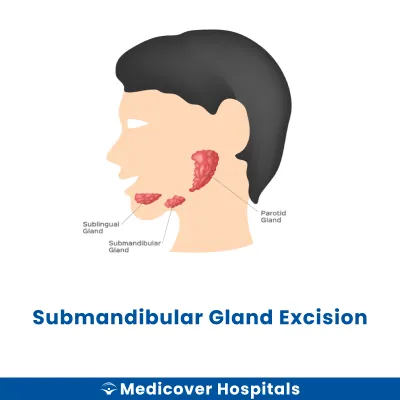
Submandibular gland excision is a surgical procedure to remove the submandibular gland. This gland is located beneath the lower jaw and is responsible for producing saliva. The procedure involves accessing the gland through an incision in the neck. It is often performed under general anaesthesia to ensure patient comfort.
This surgery is needed when there are recurrent infections, stones, or tumours in the submandibular gland. If left untreated, these conditions can lead to pain, swelling, and difficulty swallowing. In some cases, it may also cause infection to spread. Modern surgical approaches include traditional open surgery and minimally invasive techniques. These methods aim to reduce recovery time and minimise scarring.
Submandibular Gland Excision Doctors Near You
Discover skilled ENT specialists for submandibular gland excision at Medicover Hospitals across India. Choose your city and book a consultation to explore your treatment options with our experienced team.
Why Choose Medicover Hospitals for Submandibular Gland Excision?
Get a second opinion from trusted experts and makeconfident, informed decisions.
 Get Second Opinion
Complete Guide To Submandibular Gland Excision
Everything you need to know about the procedure, preparation, and recovery
Submandibular Gland Excision Surgery Indications
Doctors recommend submandibular gland excision when other treatments fail to resolve gland-related issues. This procedure is often necessary to alleviate persistent symptoms and prevent further complications.
Chronic Sialadenitis
Patients experience recurrent pain and swelling in the submandibular region. On examination, the gland may be tender and enlarged. Imaging may show ductal obstruction. Surgery is considered when antibiotics and sialogogues do not provide relief.
Salivary Gland Stones (Sialolithiasis)
Patients report pain and swelling, especially during meals. Imaging often reveals stones blocking the duct. If non-surgical methods like hydration and massage fail, excision may be necessary.
Benign Tumours
Patients may notice a painless lump under the jaw. Imaging or biopsy confirms a benign tumour. Surgery is advised when the tumour grows or causes discomfort.
Malignant Tumours
Patients might experience a rapidly growing mass, pain, or facial nerve weakness. Biopsy confirms malignancy. Excision is crucial to prevent cancer disease spread.
Recurrent Infections
Patients suffer from frequent infections causing pain and swelling. Examination shows persistent inflammation. When antibiotics fail to prevent recurrence, surgery is recommended.
Obstructive Sialadenopathy
Patients experience swelling and discomfort due to duct obstruction. Imaging shows dilated ducts. Surgery is considered when conservative treatments do not resolve the obstruction.
How to Prepare for Submandibular Gland Excision?
Preparation is crucial for a smooth submandibular gland excision. It helps minimise risks and ensures a successful recovery.
- Medication Review: Stop NSAIDs, anticoagulants, and herbal supplements at least a week before surgery. Consult your doctor for guidance.
- Fasting: Do not eat or drink anything for at least 8 hours before the procedure, as general anaesthesia is typically used.
- Medical History: Provide a detailed list of all medications, including dosages, to your healthcare team.
- Clothing: Wear loose, comfortable clothing on the day of surgery to avoid pressure on the surgical site.
- Transportation: Arrange for someone to drive you home post-surgery, as you may feel drowsy from anaesthesia.
- Pre-Surgery Tests: Complete any required blood tests or imaging studies as advised by your doctor.
- Smoking and Alcohol: Avoid smoking and alcohol for at least 48 hours before the surgery to promote better healing.
- Hygiene: Take a shower and brush your teeth on the morning of the surgery, but avoid using lotions or perfumes.
Submandibular Gland Excision Surgery (Step-by-Step)
This procedure is performed by an ENT specialist. It typically lasts 1-2 hours and is done under general anaesthesia.
- Preparation: The patient is given general anaesthesia to ensure they are asleep and pain-free. The surgical area is cleaned and sterilised.
- Incision: A small incision, about 2-3 cm, is made under the jawline. This provides access to the submandibular gland.
- Dissection: The surgeon carefully dissects through the tissues using instruments like a harmonic scalpel or bipolar cautery. This helps to minimise bleeding and allows clear visibility.
- Gland Removal: The submandibular gland is gently separated from surrounding tissues and nerves. Special care is taken to avoid damage to the facial nerve.
- Closure: Once the gland is removed, the incision is closed with sutures. A small drain may be placed to prevent fluid accumulation.
- Recovery: The patient is moved to a recovery area. They are monitored as they wake up from anaesthesia. Pain management is provided as needed.
- Post-Operative Care: Instructions are given for wound care and follow-up visits. The patient may experience some swelling and discomfort, which usually subsides in a few days.
Who Performs Submandibular Gland Excision Surgery?
This surgery is performed by an ENT specialist. They are trained in managing conditions related to the ear, nose, and throat, including salivary gland disorders. Their expertise ensures the procedure is conducted with precision.
Recovery After Submandibular Gland Excision Surgery
Recovery from submandibular gland excision surgery involves gradual healing and care. Patients can expect some swelling and discomfort initially, which will decrease over time. Following your surgeon's advice is crucial for a smooth recovery.
Day 1-3:
- Expect mild pain and swelling. Take prescribed pain relief medication.
- Rest is essential. Avoid strenuous activities.
- Consume soft foods like curd, dal-rice, and soups to avoid strain on the surgical area.
Day 4-7:
- Swelling and discomfort should start to reduce.
- Continue with a soft diet. Include khichdi and moong dal for nutrition.
- Gentle activities can be resumed, but avoid heavy lifting.
Day 8-14:
- Most patients can resume normal activities, including work or school, depending on individual recovery.
- Gradually reintroduce regular foods, but avoid very spicy or hard-to-chew items.
- Follow-up with your doctor for a check-up to ensure proper healing.
When to Seek Urgent Help:
- Severe pain unrelieved by medication.
- Excessive swelling or redness at the surgical site.
- Fever or chills, indicating possible infection.
- Difficulty in breathing or swallowing.
Always consult your healthcare provider if you have concerns during your recovery. Please contact the hospital for current details as insurance panels may change.
Benefits of Submandibular Gland Excision Surgery
Submandibular gland excision is a procedure to remove the submandibular gland, often due to chronic infections or stones. It offers several benefits:
- Relief from Symptoms: Alleviates pain and swelling associated with gland issues.
- Prevention of Infections: Reduces the risk of recurrent infections in the gland.
- Improved Oral Health: Enhances overall oral hygiene by removing the problematic gland.
- Reduced Stone Formation: Eliminates the source of stone formation in the gland.
Risks and Complications of Submandibular Gland Excision Surgery
While generally safe, submandibular gland excision carries potential risks and complications:
- Swelling and bruising around the surgical site.
- Temporary numbness in the tongue or lower lip.
- Infection at the incision site.
- Damage to nearby nerves affecting tongue movement.
- Excessive bleeding during or after the procedure.
- Scarring at the incision site.
Common Side Effects:
Rare Complications:
Cost of Submandibular Gland Excision Surgery
The cost of Submandibular gland excision surgery at Medicover Hospitals ranges from Rs. 27500 to Rs. 44000. The price varies depending on the ward category chosen, such as general, twin sharing, or private rooms. We offer transparent pricing to ensure clarity for our patients.
Insurance and TPA support are available, with acceptance of CGHS, ESI, and major TPAs. A cashless facility is also offered for a hassle-free experience. Please contact the hospital for the latest insurance panel details as these may change periodically.
Frequently Asked Questions
1. How much does Submandibular gland excision cost?
The cost for Submandibular gland excision surgery at Medicover Hospitals ranges from Rs. 27500 to Rs. 44000 depending on the type of room chosen.
2. Is Submandibular gland excision covered by insurance?
Submandibular gland excision surgery is often covered by CGHS, ESI, and major TPAs. Please contact the hospital for current panel details.
3. Will I have dry mouth after gland excision?
Some patients may experience temporary dry mouth after Submandibular gland excision. This usually improves as the body adjusts over time.
4. Can I eat spicy food after gland excision?
It's advisable to avoid spicy foods like chilli and masala for a few weeks. Opt for soft foods like curd, dal-rice, or khichdi initially.
5. Will I have difficulty swallowing post-surgery?
You may experience mild swallowing difficulty initially. This typically resolves as the surgical site heals over a few weeks.
6. Is facial swelling common after the procedure?
Facial swelling can occur after Submandibular gland excision. It usually subsides within a week with proper care and medication.
7. Can I resume normal activities soon after surgery?
Light activities can usually be resumed within a week. However, avoid strenuous activities for at least two weeks to ensure proper healing.


