 Call
Call Patient Reports
Best Hospital for Subdural Tapping Procedure with Advanced Neuro Care
Subdural tapping at Medicover Hospitals is performed using an open surgical approach by skilled neurosurgeons with qualifications like MS, MCh, and DNB. This procedure helps manage subdural hematomas effectively, often resulting in shorter hospital stays and quicker recovery for patients across India.
Expert Surgeons
Yearly Surgeries
Patient Satisfaction
What is Subdural Tapping?
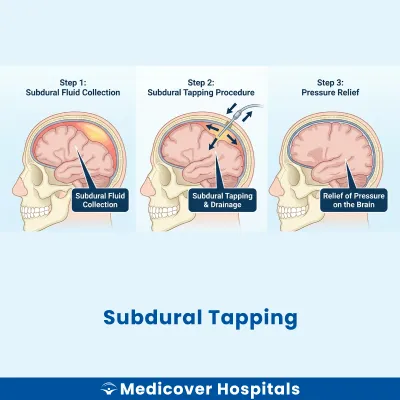
Subdural tapping is a medical procedure involving the removal of excess fluid from the subdural space. This space is located between the dura mater (outer protective layer of the brain) and the arachnoid mater (middle layer). The procedure is performed using a needle to relieve pressure caused by fluid accumulation.
This procedure is necessary when there is a build-up of fluid, often due to conditions like subdural hematoma or chronic subdural effusion. If left untreated, these conditions can lead to increased intracranial pressure, causing headaches, confusion, or even brain damage. Modern surgical approaches for subdural tapping include minimally invasive techniques like burr hole drainage and endoscopic procedures. These methods aim to effectively relieve pressure while minimizing recovery time.
Subdural Tapping Doctors Near You
Discover skilled neurosurgeons for subdural tapping at Medicover Hospitals across India. Choose your city and book a consultation to receive expert care tailored to your needs.
Why Choose Medicover Hospitals for Subdural Tapping?
Get a second opinion from trusted experts and makeconfident, informed decisions.
 Get Second Opinion
Complete Guide To Subdural Tapping
Everything you need to know about the procedure, preparation, and recovery
Subdural Tapping Procedure Indications
Doctors recommend subdural tapping when there is a need to relieve pressure from fluid accumulation in the subdural space. This procedure is often considered when other treatments do not alleviate symptoms or when immediate intervention is necessary.
Chronic Subdural Hematoma
Patients may experience headaches, confusion, or weakness on one side of the body. Imaging tests like CT or MRI scans reveal fluid collection in the subdural space. When symptoms persist despite medication, subdural tapping is considered.
Acute Subdural Hematoma
Symptoms include severe headache, vomiting, and altered consciousness. CT scans show fresh blood accumulation. If the patient's condition worsens rapidly and conservative measures fail, subdural tapping may be needed.
Increased Intracranial Pressure
Patients report persistent headaches, nausea, and vision changes. Examination reveals papilledema, and imaging shows fluid buildup. When medications do not reduce pressure, subdural tapping is performed.
Subdural Effusion
Symptoms include irritability and developmental delay in children. Imaging shows fluid without blood in the subdural space. If symptoms continue despite medical treatment, tapping is recommended.
Post-Surgical Fluid Accumulation
After brain surgery, patients may experience swelling and discomfort. Scans show fluid collection at the surgical site. When drainage does not occur naturally, subdural tapping helps relieve symptoms.
How to Prepare for Subdural Tapping?
Proper preparation for subdural tapping is crucial to ensure the procedure goes smoothly and to minimise risks. Understanding the steps involved can help ease anxiety and improve outcomes.
- Medication Review: Stop NSAIDs, anticoagulants, and herbal supplements as advised by your doctor to reduce bleeding risks.
- Fasting Guidelines: If general anaesthesia is used, fast for at least 6-8 hours before the procedure.
- Hydration: Drink clear fluids up to 2 hours before the procedure if allowed by your doctor.
- Clothing: Wear loose, comfortable clothing to the hospital for easy access and comfort.
- Transportation: Arrange for someone to drive you home post-procedure, as you may feel drowsy or dizzy.
- Medication List: Bring a list of all medications you are taking, including dosages, for the medical team.
- Allergy Check: Inform your doctor about any known allergies, especially to medications or anaesthesia.
- Pre-Procedure Instructions: Follow any additional instructions provided by your healthcare provider specific to your condition.
Subdural Tapping Procedure (Step-by-Step)
Subdural tapping is performed by neurosurgical specialists. The procedure typically lasts about 30-60 minutes. It is usually done under local anaesthesia.
- Preparation: The patient is positioned comfortably. The surgical site is cleaned and sterilized to prevent infection.
- Local Anaesthesia: A local anaesthetic is administered to numb the area. The patient remains awake but should not feel pain.
- Incision: A small incision, about 1-2 cm, is made on the scalp over the area of the subdural collection.
- Trocar Insertion: A trocar, a sharp-pointed surgical instrument, is carefully inserted through the incision to access the subdural space.
- Fluid Drainage: Once the trocar is in place, excess fluid is gently drained from the subdural space. The patient may feel slight pressure but no pain.
- Closure: After drainage, the trocar is removed. The incision is closed with sutures or staples, and a sterile dressing is applied.
- Post-Procedure Monitoring: The patient is monitored for a short period to ensure stability and recovery from the anaesthetic.
Who Performs Subdural Tapping Procedure?
Subdural tapping is performed by neurosurgeons. These specialists have extensive training in brain and nervous system surgeries. They ensure the procedure is done safely and effectively. Please contact the hospital for current details as insurance panels may change.
Recovery After Subdural Tapping Procedure
Recovery from a subdural tapping procedure is generally smooth, with most patients experiencing relief from symptoms soon after. However, it's important to follow medical advice for a safe and effective recovery.
Day 1-2:
- Rest is crucial. Avoid strenuous activities.
- Keep the head elevated to reduce swelling.
- Consume light meals like curd, dal-rice, or moong dal to avoid nausea.
Day 3-5:
- Gradually resume light activities as tolerated.
- Continue with a soft diet including khichdi and soups.
- Monitor for any signs of discomfort or dizziness.
Day 6-10:
- Most can return to work or school, depending on individual recovery.
- Avoid heavy lifting or intense physical exertion.
- Maintain a balanced diet to support healing.
Phase 2 (Week 2-4):
- Gradual return to normal activities.
- Regular follow-up appointments to monitor recovery.
- Continue a nutritious diet to aid recovery.
When to Seek Urgent Help
- Severe headache or sudden increase in pain.
- Persistent nausea or vomiting.
- Confusion, weakness, or difficulty speaking.
- Any signs of infection at the procedure site.
If you experience any of these symptoms, contact your healthcare provider immediately.
Benefits of Subdural Tapping Procedure
Subdural tapping is a medical procedure used to relieve pressure caused by fluid accumulation in the brain.
- Pressure Relief: Quickly reduces intracranial pressure, alleviating symptoms.
- Diagnostic Aid: Helps in diagnosing the cause of fluid accumulation.
- Minimally Invasive: Less invasive compared to other surgical interventions.
- Symptom Management: Can improve neurological symptoms and patient comfort.
Risks and Complications of Subdural Tapping Procedure
While subdural tapping is generally safe, it carries certain risks and complications.
- Headache post-procedure due to changes in pressure.
- Bleeding at the puncture site, which may require attention.
- Infection at the site of insertion, necessitating medical treatment.
- Brain injury if the needle is improperly placed.
- Seizures due to sudden changes in intracranial pressure.
- Cerebrospinal fluid leakage, which may need further intervention.
Common Risks:
Rare Complications:
Cost of Subdural Tapping Procedure
The cost of a Subdural Tapping procedure typically ranges from Rs. 27,500 to Rs. 44,000 depending on factors such as hospital stay, room category, diagnostics, medications, and post-procedure care.
At Medicover Hospitals, we provide transparent pricing with access to advanced care and experienced neurosurgeons. We support insurance and Third Party Administrators (TPA), including CGHS, ESI, and major providers, with cashless treatment options available. Please contact the hospital for the latest insurance panel details.
Frequently Asked Questions
1. How much does Subdural tapping procedure cost at Medicover Hospitals?
The cost of a Subdural Tapping procedure typically ranges from Rs. 27,500 to Rs. 44,000, depending on the patient’s condition and hospital facilities. For exact pricing, please contact Medicover Hospitals.
2. Is Subdural tapping procedure covered under health insurance at Medicover?
Subdural tapping may be covered by CGHS, ESI, and major TPAs. Please contact the hospital for current panel details.
3. Can Subdural tapping affect brain function?
Subdural tapping is generally safe, but complications like infection or bleeding can occur. These may affect brain function temporarily.
4. Will I need to change my diet after Subdural tapping?
Post-procedure, a light diet with foods like dal-rice and curd is recommended. Avoid heavy or spicy meals for a few days.
5. How soon can I return to work after Subdural tapping?
Most patients can return to work within a week. However, it depends on individual recovery and doctor's advice.
6. Is headache common after Subdural tapping?
Headache is a common side effect after Subdural tapping. It usually resolves in a few days with proper rest and medication.
7. Can Subdural fluid reaccumulate after tapping?
There is a possibility of fluid reaccumulation after Subdural tapping. Regular follow-ups are essential to monitor and manage this risk.


