 Call
Call Patient Reports
Best Hospital for Stapled Hemorrhoidopexy Surgery with Advanced Surgical Care
Stapled Hemorrhoidopexy at Medicover Hospitals is performed using advanced techniques by our skilled general surgeons with qualifications like MS and DNB. This minimally invasive procedure results in reduced blood loss and a shorter hospital stay, enhancing patient recovery across India.
Expert Surgeons
Yearly Surgeries
Patient Satisfaction
What is Stapled Hemorrhoidopexy Surgery?
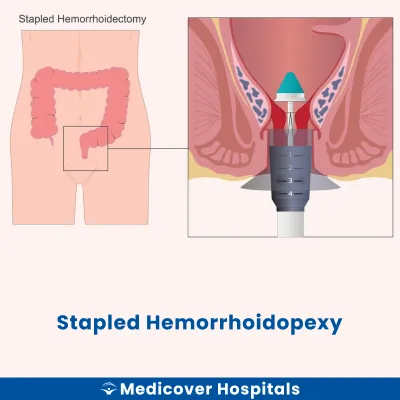
Stapled Hemorrhoidopexy is a surgical procedure used to treat hemorrhoids. It involves the rectum, which is the final section of the large intestine. In this procedure, a circular stapling device is used to reposition the hemorrhoids and cut off their blood supply. This reduces the size of the hemorrhoids and alleviates symptoms like pain and bleeding.
This surgery is needed when hemorrhoids become severe and do not respond to other treatments. Conditions like chronic constipation or prolonged sitting can lead to hemorrhoids. If left untreated, they can cause significant discomfort and complications. Modern surgical approaches for Stapled Hemorrhoidopexy include minimally invasive techniques, which aim to reduce recovery time and postoperative pain.
Stapled Hemorrhoidopexy Doctors Near You
Find experienced general-surgeons for stapled hemorrhoidopexy at Medicover Hospitals across India. Choose your city and book a consultation to discuss your treatment options today.
Why Choose Medicover Hospitals for Stapled Hemorrhoidopexy?
Get a second opinion from trusted experts and makeconfident, informed decisions.
 Get Second Opinion
Complete Guide To Stapled Hemorrhoidopexy
Everything you need to know about the procedure, preparation, and recovery
Stapled Hemorrhoidopexy Surgery Indications
Stapled Hemorrhoidopexy is recommended when conservative treatments for hemorrhoids are ineffective. This procedure is often suggested for patients with specific symptoms and diagnostic findings that indicate a need for surgical intervention.
Persistent Hemorrhoidal Prolapse
Patients experience a protrusion of hemorrhoids outside the anal canal, often accompanied by discomfort and irritation. Doctors may find that the prolapse does not retract on its own. When lifestyle changes and topical treatments fail, surgery is considered.
Chronic Hemorrhoidal Bleeding
Frequent bleeding during bowel movements is a common symptom. Examination may reveal engorged hemorrhoidal tissue. If dietary adjustments and medications do not control the bleeding, stapled hemorrhoidopexy may be advised.
Severe Anal Pain
Patients report intense pain, especially during bowel movements. Physical examination might show thrombosed or strangulated hemorrhoids. When pain relief measures are insufficient, surgical intervention is recommended.
Recurrent Hemorrhoids
Some patients experience repeated episodes of hemorrhoids despite conservative management. Doctors may observe recurring inflammation and swelling. Surgery becomes an option when non-surgical treatments provide only temporary relief.
Large Internal Hemorrhoids
Patients may not feel pain but notice bleeding or a sensation of fullness. Examination reveals large internal hemorrhoids that do not respond to non-operative therapies. Stapled hemorrhoidopexy is considered when size and symptoms persist.
How to Prepare for Stapled Hemorrhoidopexy?
Proper preparation is crucial for a smooth stapled hemorrhoidopexy procedure and recovery. It helps minimise risks and ensures the best possible outcome.
- Medication Review: Stop NSAIDs, anticoagulants, and herbal supplements as advised by your doctor.
- Fasting: Fast for at least 8 hours before the procedure, as general anaesthesia is typically used.
- Bowel Preparation: Follow your doctor's instructions for bowel prep to ensure a clear surgical field.
- Clothing: Wear loose, comfortable clothing on the day of the surgery for ease and comfort.
- Transportation: Arrange for someone to drive you home post-surgery, as you may feel drowsy from anaesthesia.
- Medication List: Bring a list of all medications you take, including dosages, for the medical team.
- Hygiene: Take a shower the night before or the morning of the surgery to reduce infection risk.
- Rest: Ensure you get a good night's sleep before the procedure to aid recovery.
Stapled Hemorrhoidopexy Surgery (Step-by-Step)
Stapled Hemorrhoidopexy Surgery is performed by general surgeons. The procedure typically lasts 30 to 45 minutes. It is usually done under regional or general anaesthesia.
- Preparation: The patient is positioned on the surgical table. Anaesthesia is administered to ensure comfort and pain-free experience.
- Access: A circular anal dilator is gently inserted into the anus to provide access to the surgical site. This step is crucial for visibility and precision.
- Placement of Purse-String Suture: A purse-string suture is placed above the hemorrhoidal tissue using a suture device. This helps in positioning the tissue for stapling.
- Stapling: A circular stapling device is introduced through the anal dilator. The stapler excises the excess hemorrhoidal tissue and simultaneously staples the remaining tissue. This reduces blood flow to the hemorrhoids, causing them to shrink.
- Closure: The stapling device is removed, and the surgical site is inspected for any bleeding. Additional sutures may be placed if necessary to ensure hemostasis.
- Recovery: The patient is moved to a recovery area. They are monitored as the effects of anaesthesia wear off. Mild discomfort or pressure may be felt in the anal region.
Who Performs Stapled Hemorrhoidopexy Surgery?
Stapled Hemorrhoidopexy is performed by general surgeons with expertise in colorectal procedures. These specialists are trained to handle conditions affecting the lower digestive tract. They ensure the procedure is done safely and effectively.
Recovery After Stapled Hemorrhoidopexy Surgery
Recovery from stapled hemorrhoidopexy is generally faster than traditional hemorrhoid surgery. Expect some discomfort and mild bleeding initially. Following your doctor's advice will help ensure a smooth recovery.
Day 1-3:
- Rest is crucial. Avoid strenuous activities.
- Consume a soft diet. Include foods like curd, dal-rice, and soups.
- Stay hydrated. Drink plenty of water.
- Take prescribed pain relief medication as directed.
Day 4-7:
- Gradually resume light activities. Avoid heavy lifting.
- Continue with a fibre-rich diet. Include khichdi and moong dal.
- Monitor for any unusual symptoms like increased pain or bleeding.
Day 8-14:
- Most patients can return to work or school, depending on comfort.
- Maintain a balanced diet to prevent constipation.
- Regular follow-up with your doctor is advised.
Phase 3 (Week 3-4):
- Gradually return to normal activities, including exercise.
- Continue to monitor your diet and hydration.
- Report any persistent symptoms to your doctor.
When to Seek Urgent Help:
- Severe pain not relieved by medication.
- Heavy bleeding or large blood clots.
- Fever or signs of infection.
- Difficulty urinating or passing stools.
Benefits of Stapled Hemorrhoidopexy Surgery
Stapled Hemorrhoidopexy is a surgical procedure aimed at treating hemorrhoids with several advantages.
- Less Pain: Patients often experience less postoperative pain compared to traditional methods.
- Quicker Recovery: The recovery period is generally shorter, allowing a faster return to daily activities.
- Reduced Bleeding: The procedure typically results in less bleeding during and after surgery.
- Lower Recurrence Rate: There is a reduced chance of hemorrhoids recurring after the procedure.
Risks and Complications of Stapled Hemorrhoidopexy Surgery
While Stapled Hemorrhoidopexy is generally safe, it carries certain risks and complications.
- Pain and discomfort in the anal area may occur post-surgery.
- Bleeding can happen, especially in the initial days following the procedure.
- Infection at the surgical site, though uncommon, is a possible risk.
- Urinary retention may occur, requiring medical attention.
- Stricture or narrowing of the anal canal is a potential complication.
- Fistula formation, though infrequent, can develop post-surgery.
What is the Cost of Stapled Hemorrhoidopexy Surgery?
The cost of Stapled Hemorrhoidopexy Surgery at Medicover Hospitals ranges from Rs. 33,000 to Rs. 1,62,000. The price varies based on the ward category chosen, such as day care, general, private, or deluxe options. We offer transparent pricing to ensure clarity for our patients.
Insurance and TPA support is available, with CGHS, ESI, and major TPAs accepted. A cashless facility is also offered for convenience. Please contact the hospital for the latest insurance panel details as these may change periodically.
Frequently Asked Questions
1. How much does Stapled Hemorrhoidopexy cost?
The cost of Stapled Hemorrhoidopexy at Medicover Hospitals ranges from Rs. 33,000to Rs. 1,62,000, depending on the room category and location.
2. Is Stapled Hemorrhoidopexy covered by insurance?
Stapled Hemorrhoidopexy may be covered under CGHS, ESI, and major TPAs. Please contact the hospital for current panel details.
3. Will I have bowel movement issues after surgery?
Some patients may experience temporary bowel movement changes post-surgery. It usually resolves within a few weeks with proper care.
4. What diet should I follow post-surgery?
Post-surgery, a soft diet including curd, dal-rice, and khichdi is recommended. Avoid spicy and fried foods for a smoother recovery.
5. Can hemorrhoids recur after surgery?
While Stapled Hemorrhoidopexy is effective, there's a small chance of recurrence. Maintaining a high-fibre diet can help prevent this.
6. How soon can I return to work?
Most patients can return to work within a week after surgery. However, avoid heavy lifting and strenuous activities for a few weeks.
7. Will there be pain after Stapled Hemorrhoidopexy?
Some discomfort or mild pain is common after surgery. Pain relief medications prescribed by your doctor can help manage this effectively.


