 Call
Call Patient Reports
Spinal Decompression and Fusion with Internal Fixation Surgery Hospital by Expert Neurosurgeons
At Medicover Hospitals, our neurosurgeons with qualifications like MCh and MS perform spinal decompression and fusion with internal fixation using open surgical techniques. This approach helps in stabilising the spine and alleviating pain. Patients often experience shorter hospital stays and reduced recovery time.
Expert Surgeons
Yearly Surgeries
Patient Satisfaction
What is Spinal Decompression and Fusion With Internal Fixation?
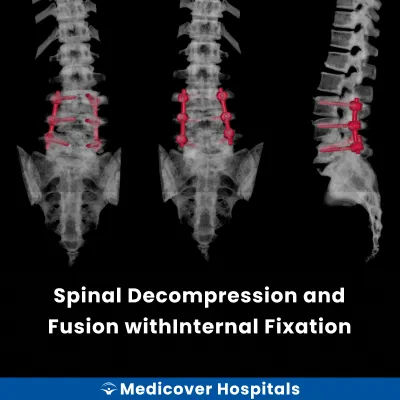
Spinal Decompression and Fusion with Internal Fixation is a surgical procedure involving the spine. It aims to relieve pressure on the spinal cord or nerves (decompression) and stabilise the spine by joining two or more vertebrae (fusion). Internal fixation involves using metal screws, rods, or plates to hold the vertebrae together while they heal. This procedure is often performed on the lower back (lumbar region) or neck (cervical region).
This surgery is needed for conditions like herniated discs, spinal stenosis, or degenerative disc disease. If left untreated, these conditions can cause chronic pain, numbness, or even paralysis. Modern surgical approaches include minimally invasive techniques and robotic-assisted surgery. These methods aim to reduce recovery time and improve surgical outcomes. Early intervention can prevent complications and improve quality of life.
Spinal Decompression and Fusion With Internal Fixation Doctors Near You
Discover expert neurosurgeons for spinal decompression and fusion with internal fixation at Medicover Hospitals across India. Choose your city and book a consultation today for specialised care.
Why Choose Medicover Hospitals for Spinal Decompression and Fusion With Internal Fixation?
Get a second opinion from trusted experts and makeconfident, informed decisions.
 Get Second Opinion
Complete Guide To Spinal Decompression And Fusion With Internal Fixation
Everything you need to know about the procedure, preparation, and recovery
Spinal Decompression and Fusion with Internal Fixation Surgery Indications
Doctors recommend spinal decompression and fusion with internal fixation when conservative treatments fail to relieve symptoms. This surgery aims to alleviate pain and stabilize the spine in specific conditions.
Severe Spinal Stenosis
Patients experience numbness, weakness, or pain in the legs. Imaging shows narrowing of the spinal canal compressing nerves. Surgery is considered when physical therapy and medications do not improve symptoms.
Degenerative Disc Disease
Chronic back pain worsens with movement. MRI scans reveal disc degeneration and loss of disc height. Surgery is an option when pain persists despite non-surgical interventions like physiotherapy.
Spondylolisthesis
Patients report lower back pain and leg pain. X-rays show one vertebra slipping over another. Surgery is suggested when bracing and exercises fail to relieve discomfort.
Spinal Fractures
Sudden back pain after trauma is common. CT scans confirm vertebral fractures. Surgery is necessary when fractures cause instability or nerve compression.
Spinal Tumours
Patients may have back pain and neurological deficits. MRI detects tumours compressing the spinal cord. Surgery is advised when tumours threaten spinal stability or function.
Failed Previous Spinal Surgery
Persistent pain or new symptoms arise post-surgery. Imaging reveals instability or improper fusion. Revision surgery is needed when initial surgery does not resolve issues.
How to Prepare for Spinal Decompression and Fusion with Internal Fixation?
Proper preparation for spinal decompression and fusion with internal fixation is crucial for a smooth surgery and recovery. It helps minimise complications and ensures a quicker return to daily activities.
- Medication Adjustment: Stop NSAIDs, anticoagulants, and herbal supplements 7-10 days before surgery.
- Fasting Guidelines: Do not eat or drink anything for at least 8 hours before the procedure.
- Pre-Surgical Testing: Complete any required blood tests, imaging, or other diagnostics as advised by your doctor.
- Personal Items: Wear loose, comfortable clothing and remove all jewellery and piercings before arriving at the hospital.
- Transportation: Arrange for someone to drive you home after the procedure, as you will not be able to drive yourself.
- Medication List: Bring a list of all medications you are currently taking, including dosages, to the hospital.
- Home Preparation: Set up a comfortable recovery area at home with easy access to necessary items.
- Smoking Cessation: Stop smoking at least several weeks before surgery to promote better healing.
Spinal Decompression and Fusion with Internal Fixation Surgery (Step-by-Step)
Overview: This procedure is performed by Brain and spine surgeons. It typically lasts between 3 to 6 hours and is carried out under general anaesthesia.
- Preparation: The patient is positioned on the operating table. General anesthesia is administered to ensure the patient is asleep and pain-free.
- Incision: A 5-10 cm incision is made over the affected area of the spine. This provides access to the vertebrae.
- Decompression: The surgeon uses instruments like a curette or harmonic scalpel to remove bone or tissue pressing on the nerves. This relieves pressure and pain.
- Fusion: Bone grafts are placed between the affected vertebrae. This encourages the bones to grow together, stabilizing the spine.
- Internal Fixation: Screws and rods are inserted to hold the vertebrae in place. This ensures stability as the fusion heals.
- Closure: The incision is closed with sutures or staples. A dressing is applied to protect the wound.
- Recovery: The patient is moved to the recovery room. They are monitored as they wake from anaesthesia, experiencing some soreness.
Who Performs Spinal Decompression and Fusion with Internal Fixation Surgery?
This surgery is typically performed by neurosurgeons or orthopaedic spine surgeons. These specialists are trained in complex spinal procedures and use precise techniques to ensure effective outcomes.
Recovery After Spinal Decompression and Fusion with Internal Fixation Surgery
Recovery from spinal decompression and fusion with internal fixation surgery requires patience and adherence to medical advice. Expect gradual improvement over weeks to months. Follow your surgeon's guidelines for a smooth recovery.
Day 1-3:
- Hospital stay for monitoring. Pain management is crucial.
- Start with a liquid diet, gradually introducing soft foods like soups and dal-rice.
- Begin gentle movements as advised by your physiotherapist.
Day 4-7:
- Discharge from hospital if stable. Continue pain management at home.
- Focus on a balanced diet with easily digestible foods like khichdi and moong dal.
- Engage in light activities, avoiding bending or lifting heavy objects.
Week 2-4:
- Gradually increase walking duration. Avoid strenuous activities.
- Incorporate curd and fresh fruits into your diet for better digestion.
- Consult your doctor about resuming work or school, typically after 4 weeks.
Month 2-3:
- Continue physiotherapy exercises to improve strength and flexibility.
- Resume normal diet, ensuring adequate protein intake for healing.
- Most daily activities can be resumed, but avoid high-impact sports.
When to Seek Urgent Help:
- Severe pain not relieved by medication.
- Signs of infection: fever, redness, or discharge at the incision site.
- Numbness, weakness, or loss of bladder/bowel control.
Benefits of Spinal Decompression and Fusion with Internal Fixation Surgery
This procedure can alleviate pain and improve stability in the spine. It is often recommended for conditions like herniated discs or spinal stenosis.
- Pain Relief: Reduces chronic back and leg pain by addressing nerve compression.
- Improved Mobility: Enhances movement and flexibility by stabilising the spine.
- Spinal Stability: Provides structural support, reducing the risk of further injury.
- Corrects Deformities: Helps in aligning the spine properly, improving posture.
Risks and Complications of Spinal Decompression and Fusion with Internal Fixation Surgery
While beneficial, this surgery carries certain risks. It's important to be aware of potential complications.
- Common: Infection at the surgical site, which may require additional treatment.
- Common: Blood clots, which can occur post-surgery and need medical attention.
- Common: Nerve damage, potentially leading to numbness or weakness.
- Rare: Hardware failure, where screws or rods may loosen or break.
- Rare: Non-union, where the bones do not fuse as expected, possibly requiring further surgery.
Cost of Spinal Decompression and Fusion with Internal Fixation Surgery
The cost of Spinal Decompression and Fusion with Internal Fixation Surgery can vary starting from ₹2,50,000 - ₹6,50,000 based on factors such as the surgical approach, duration of hospital stay, room category, required diagnostics, and post-operative care.
At Medicover Hospitals, we ensure transparent pricing. We offer support for insurance and TPA, including CGHS, ESI, and major TPAs. A cashless facility is also available for your convenience. Please contact the hospital for the latest insurance panel details as these may change periodically.
Frequently Asked Questions
1. How much does Spinal Decompression and Fusion with Internal Fixation surgery cost at Medicover Hospitals?
The cost of Spinal Decompression and Fusion with Internal Fixation surgery varies starting from ₹2,50,000 - ₹6,50,000 . Please contact Medicover Hospitals for detailed pricing information.
2. Is Spinal Decompression and Fusion with Internal Fixation surgery covered under health insurance at Medicover?
This surgery is often covered by CGHS, ESI, and major TPAs. Please contact the hospital for current panel details.
3. Will I need a brace after spinal fusion?
You may need to wear a brace for support after spinal fusion. Your doctor will advise based on your specific condition.
4. Can I drive after spinal decompression surgery?
Driving is usually not recommended for at least 4-6 weeks post-surgery. Consult your doctor for personalized advice based on your recovery.
5. Will spinal fusion limit my flexibility?
Spinal fusion can reduce flexibility in the fused segment. However, most patients maintain overall functional movement for daily activities.
6. What are the risks of nerve damage in this surgery?
Nerve damage is a potential risk during spinal surgery. Your surgical team will take precautions to minimise this risk.
7. What foods help recovery after spinal surgery?
Include protein-rich foods like dal, curd, and lean meats. Soft foods like khichdi can aid digestion and recovery.


