 Call
Call Patient Reports
Best Hospital for Small Cell Lung Cancer Treatment with Advanced Oncology Care
Small cell lung cancer treatment at Medicover Hospitals involves a multidisciplinary approach with oncologists holding qualifications like MS, DM, and DNB. The surgical approach is often open surgery. This method can result in reduced blood loss, aiding in quicker recovery for patients.
Expert Specialists
Yearly Treatments
Patient Satisfaction
What is Small Cell Lung Cancer?
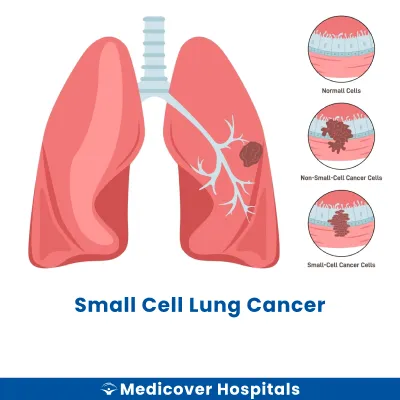
Small cell lung cancer (SCLC) is a fast-growing cancer that primarily affects the lungs. It is a type of lung cancer characterized by small, round cells that multiply quickly. This cancer often starts in the bronchi (air passages) and can spread rapidly to other parts of the body. SCLC is less common than non-small cell lung cancer but is more aggressive.
Surgery for SCLC is needed to remove cancerous tissues and prevent the spread of the disease. Smoking is a major risk factor. If left untreated, SCLC can quickly metastasize to other organs. Modern surgical approaches for SCLC include lobectomy (removal of a lung lobe) and pneumonectomy (removal of an entire lung). Early detection and treatment are crucial for better outcomes.
Small Cell Lung Cancer Doctors Near You
Find experienced oncologists for small cell lung cancer treatment at Medicover Hospitals across India. Choose your city and book a consultation to discuss your treatment options today.
Why Choose Medicover Hospitals for Small Cell Lung Cancer?
Get a second opinion from trusted experts and makeconfident, informed decisions.
 Get Second Opinion
Complete Guide To Small Cell Lung Cancer
Everything you need to know about the procedure, preparation, and recovery
Small Cell Lung Cancer Procedure Indications
Doctors recommend procedures for small cell lung cancer when the disease is detected at an advanced stage or when symptoms become severe. These procedures aim to manage symptoms and improve quality of life.
Persistent Cough
Patients often experience a chronic cough that does not improve with medication. Imaging tests like chest X-rays or CT scans may reveal masses in the lungs. When cough persists despite conservative treatments, a procedure may be necessary.
Breathing Difficulties
Shortness of breath or wheezing can be common. Doctors may find fluid accumulation around the lungs on imaging. If breathing issues worsen and do not respond to medication, intervention is considered.
Chest Pain
Severe chest pain that increases over time can be a symptom. Scans might show tumour growth pressing on structures in the chest. When pain management fails, a procedure may be needed.
Unexplained Weight Loss
Significant weight loss without trying can be alarming. Blood tests and imaging may indicate cancer progression. If nutritional support does not help, further procedures might be required.
Fatigue and Weakness
Extreme tiredness and weakness can affect daily life. Lab tests may show anaemia or other abnormalities. When these symptoms persist despite treatment, doctors may suggest a procedure.
Swelling in the Face or Neck
Swelling can occur due to blocked blood flow. Imaging might reveal tumours compressing veins. If swelling becomes severe and unmanageable, a procedure is considered.
How to Prepare for small cell lung cancer?
Preparation is crucial for small cell lung cancer treatment to ensure the best outcome and minimise complications. Proper preparation can help manage side effects and improve recovery.
- Medication Review: Stop NSAIDs, anticoagulants, and herbal supplements as advised by your doctor to reduce bleeding risk.
- Fasting Guidelines: Follow a fasting period of at least 8 hours before anaesthesia to prevent complications during the procedure.
- Pre-Treatment Tests: Complete all required blood tests, imaging, and other diagnostic tests as scheduled to assess your health status.
- Comfortable Clothing: Wear loose, comfortable clothing on the day of the procedure for ease of movement and comfort.
- Transportation Arrangements: Arrange for someone to drive you home post-procedure, as you may not be able to drive yourself.
- Medication List: Bring a list of all medications you are currently taking, including dosages, to inform your healthcare team.
- Hydration and Nutrition: Maintain good hydration and nutrition in the days leading up to the procedure to support your body's resilience.
- Emotional Support: Consider talking to a counselor or joining a support group to manage stress and anxiety related to the treatment.
Small Cell Lung Cancer Treatment Procedure (Step-by-Step)
Small-cell lung cancer treatment is managed by experienced specialists from the Oncology department. The treatment approach may include surgery, chemotherapy, radiation therapy, or a combination of treatments depending on the stage and severity of the cancer.
- Diagnosis Confirmation: Diagnostic procedures such as biopsy, bronchoscopy, imaging scans, and laboratory tests are performed to confirm the presence and stage of small cell lung cancer.
- Treatment Planning: The oncology team prepares an individualised treatment plan based on the patient's overall health, tumour location, and cancer progression.
- Preparation: If surgery is required, the patient is prepared under general anaesthesia, and the surgical area is sterilised to reduce infection risk.
- Tumour Removal: Surgical removal of the tumour and nearby affected tissues or lymph nodes may be performed using advanced surgical techniques when appropriate.
- Closure and Supportive Care: The incision is closed with sutures or staples, and supportive measures such as chest drainage may be used if necessary.
- Recovery and Monitoring: After treatment, the patient is closely monitored for recovery, breathing function, and potential complications.
- Post-Treatment Care: Follow-up care may include chemotherapy, radiation therapy, pain management, rehabilitation, and regular monitoring to assess treatment response.
Who Performs Small Cell Lung Cancer Treatment?
This treatment is managed by skilled oncology specialists and multidisciplinary cancer care specialists trained to diagnose and treat lung cancers using advanced medical, surgical, and supportive care approaches.
Recovery After Small Cell Lung Cancer Procedure
Recovery from a small cell lung cancer procedure varies based on the treatment type. Patients may experience fatigue, pain, and changes in appetite. It's essential to follow medical advice for a smoother recovery.
Day 1-3:
- Rest is crucial. Avoid strenuous activities.
- Start with light, easy-to-digest foods like curd and soups.
- Stay hydrated. Drink plenty of fluids.
Day 4-7:
- Gradually increase activity as tolerated. Short walks can be beneficial.
- Introduce soft foods such as dal-rice and khichdi.
- Continue to monitor for any side effects from medications.
Week 2-4:
- Energy levels may improve. Slowly resume daily activities.
- Include protein-rich foods like moong dal to aid recovery.
- Consult with your doctor about returning to work or school.
Phase 2 (1-3 Months):
- Regular follow-up appointments are necessary to monitor progress.
- Maintain a balanced diet. Include fruits and vegetables.
- Engage in light exercises as advised by your healthcare provider.
When to Seek Urgent Help
- Sudden shortness of breath or chest pain.
- Persistent fever or signs of infection.
- Severe nausea or vomiting preventing food intake.
Contact your healthcare provider if you experience any of these symptoms. Early intervention can prevent complications.
Benefits of small cell lung cancer procedure
Treating small cell lung cancer involves various procedures aimed at managing the disease effectively.
- Improved Survival Rate: Early intervention can enhance the chances of survival.
- Symptom Relief: Procedures can help alleviate symptoms like coughing and breathing difficulties.
- Reduced Tumour Size: Treatments can shrink tumours, making them easier to manage.
- Potential for Remission: Some patients may achieve remission with appropriate treatment.
Risks and Complications of the Small Cell Lung Cancer Procedure
While procedures for small cell lung cancer can be beneficial, they also come with certain risks and complications.
- Common: Fatigue and weakness are often experienced during treatment.
- Common: Nausea and vomiting may occur as side effects of chemotherapy.
- Common: Hair loss is a frequent side effect of certain treatments.
- Rare: Infection risk increases due to lowered immunity.
- Rare: Heart complications can arise from specific treatments.
- Rare: Lung damage may occur, affecting breathing.
Cost of small cell lung cancer procedure
The cost of small cell lung cancer treatment at Medicover Hospitals ranges from Rs. 8100 to Rs. 38400. Prices vary by ward category, such as outpatient, day care, or private rooms. Medicover Hospitals offers transparent pricing with support for insurance and TPA, including CGHS, ESI, and major TPAs.
Cashless facilities are also available for ease of payment. Please contact the hospital for the latest insurance panel details, as these may change periodically.
Frequently Asked Questions
1. How much does small cell lung cancer procedure cost at Medicover Hospitals?
The cost for small cell lung cancer treatment at Medicover Hospitals ranges from Rs.8100 to Rs.38400, depending on the treatment plan and facilities.
2. Is small cell lung cancer procedure covered under health insurance at Medicover?
Small cell lung cancer treatment is often covered by CGHS, ESI, and major TPAs, with cashless options available. Please contact the hospital for current panel details.
3. Can I experience breathing issues after treatment?
Breathing difficulties can occur due to lung tissue damage during treatment. It's important to follow up with your doctor for management and care.
4. Will I need to avoid smoking after treatment?
Yes, avoiding smoking is crucial as it can worsen lung function and increase cancer recurrence risk. Discuss cessation programs with your healthcare provider.
5. What dietary changes are recommended post-treatment?
A balanced diet with curd, dal-rice, and khichdi can aid recovery. Avoid processed foods and consult a nutritionist for a tailored plan.
6. Is fatigue common after small cell lung cancer treatment?
Fatigue is a common side effect due to chemotherapy and radiation. Adequate rest and a balanced diet can help manage this symptom.
7. Can I travel by air after lung cancer treatment?
Consult your doctor before air travel, as reduced lung capacity may affect breathing at high altitudes. Your doctor will assess your fitness for travel.
8. What is the most aggressive lung cancer?
Small cell lung cancer (SCLC) is considered the most aggressive type of lung cancer because it grows rapidly and spreads quickly to other parts of the body.
9. How long can you live with small cell lung cancer?
Survival depends on the stage at diagnosis and response to treatment. On average, patients with limited-stage disease may live 1.5 to 2 years or longer, while extensive-stage disease often has shorter survival, though treatment can improve outcomes.
10. Can small cell lung cancer be cured?
Cure is possible in early (limited-stage) cases, especially with combined chemotherapy and radiation. However, many cases are diagnosed at a later stage, where treatment focuses on controlling the disease and improving quality of life.
11. How many people get small cell lung cancer?
Small cell lung cancer accounts for about 10% to 15% of all lung cancer cases worldwide, making it less common than non-small cell lung cancer but more aggressive.


