 Call
Call Patient Reports
Best Hospital for Small Bowel Fistula Excision and Repair Surgery
At Medicover Hospitals, our surgical gastroenterologists, holding qualifications like MS, DNB, and MCh, perform Small Bowel Fistula Excision and Repair using advanced laparoscopic techniques. This approach ensures smaller incisions and reduced blood loss, contributing to a quicker recovery for patients.
Expert Surgeons
Yearly Surgeries
Patient Satisfaction
What is Small Bowel Fistula Excision and Repair?
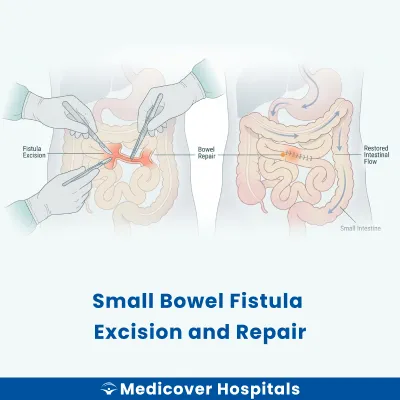
Small Bowel Fistula Excision and Repair is a surgical procedure to remove and fix abnormal connections, known as fistulas, in the small intestine. The small intestine, or small bowel, is a crucial part of the digestive system. It helps in nutrient absorption. This surgery involves excising (removing) the fistula and repairing the affected bowel segment to restore normal function.
This surgery is necessary when fistulas cause complications like infection, malnutrition, or electrolyte imbalances. Conditions such as Crohn's disease, trauma, or previous surgeries can lead to fistula formation. If untreated, fistulas can result in severe health issues. Modern surgical approaches for this procedure include laparoscopic surgery, which is minimally invasive, and open surgery for more complex cases.
Small Bowel Fistula Excision and Repair Doctors Near You
Find experienced gastroenterologists-surgical for small bowel fistula excision and repair at Medicover Hospitals across India. Choose your city and book a consultation today for expert care.
Why Choose Medicover Hospitals for Small Bowel Fistula Excision and Repair?
Get a second opinion from trusted experts and makeconfident, informed decisions.
 Get Second Opinion
Complete Guide To Small Bowel Fistula Excision And Repair
Everything you need to know about the procedure, preparation, and recovery
Small Bowel Fistula Excision and Repair Surgery Indications
Doctors recommend small bowel fistula excision and repair surgery when a patient experiences persistent symptoms that do not improve with conservative treatments. This procedure is often necessary to address complications arising from abnormal connections in the small intestine.
Persistent Abdominal Pain
Patients may experience ongoing abdominal pain that does not subside with medication. On examination, doctors might find signs of inflammation or infection. When imaging tests reveal a fistula, surgery becomes necessary to relieve pain and prevent further complications.
Chronic Diarrhoea
Chronic diarrhoea can be a symptom of a small bowel fistula. Patients often report frequent, watery stools. Lab tests may show nutrient malabsorption. If dietary changes and medications fail to control symptoms, surgical intervention is considered.
Intestinal Obstruction
Patients may suffer from nausea, vomiting, and abdominal distension due to an obstruction. Imaging studies like CT scans can show blockages caused by a fistula. When obstructions persist despite conservative management, surgery is needed.
Severe Malnutrition
Severe weight loss and weakness can occur due to poor nutrient absorption. Blood tests may indicate deficiencies. If nutritional support does not improve the condition, surgery to repair the fistula is advised.
Recurrent Infections
Patients might experience frequent infections, such as abscesses, due to fistula-related complications. These infections can be confirmed through imaging and lab tests. When antibiotics and drainage do not resolve the issue, surgical repair is necessary.
How to Prepare for Small Bowel Fistula Excision and Repair?
Proper preparation is crucial for a successful small bowel fistula excision and repair. It helps minimise complications and ensures a smoother recovery.
- Medication Review: Stop NSAIDs, anticoagulants, and herbal supplements as advised by your doctor.
- Fasting Guidelines: Fast for at least 8 hours before the surgery to ensure safety during anaesthesia.
- Bowel Preparation: Follow any specific bowel prep instructions given by your healthcare provider.
- Clothing: Wear loose, comfortable clothing on the day of the surgery for ease and comfort.
- Transportation: Arrange for someone to drive you home post-surgery, as you may feel drowsy.
- Medication List: Bring a list of your current medications with dosages for hospital records.
- Hydration: Stay well-hydrated the day before surgery, unless instructed otherwise.
- Smoking and Alcohol: Avoid smoking and alcohol for at least 24 hours before the procedure.
Small Bowel Fistula Excision and Repair Surgery (Step-by-Step)
This procedure is performed at Medicover Hospitals Surgical Gastroenterology Department. It typically takes 2 to 4 hours and is usually performed under general anaesthesia.
- Preparation: The patient is positioned on the operating table. General anaesthesia is administered to ensure comfort and unconsciousness during the procedure.
- Incision: A small incision, usually 1-2 cm, is made in the abdominal area to access the small bowel. A laparoscope is inserted for a clear view.
- Identification: The surgeon uses the laparoscope to locate the fistula. The surrounding area is carefully examined to assess the extent of the issue.
- Excision: The fistula is excised using surgical instruments like a harmonic scalpel or bipolar cautery. This helps in precise cutting and minimizing bleeding.
- Repair: The bowel is repaired using sutures. The surgeon ensures the integrity of the bowel to prevent future complications.
- Closure: The incision is closed with sutures or staples. The area is cleaned, and a sterile dressing is applied.
- Recovery: The patient is moved to the recovery room. Vital signs are monitored as they wake up from anaesthesia.
Who Performs Small Bowel Fistula Excision and Repair Surgery?
This surgery is performed by GI surgeons. These specialists are trained to handle complex gastrointestinal tract conditions. They use advanced techniques and instruments to ensure effective treatment.
Recovery After Small Bowel Fistula Excision and Repair Surgery
Recovery from small bowel fistula excision and repair surgery involves gradual healing and lifestyle adjustments. Patients should follow medical advice closely to ensure a smooth recovery process.
Day 1-3:
- Hospital stay is common. Monitoring for complications is crucial.
- Begin with a liquid diet. Include clear soups and broths.
- Pain management and rest are priorities.
Day 4-7:
- Gradually transition to a soft diet. Include foods like khichdi, dal-rice, and moong dal.
- Light walking is encouraged to improve circulation.
- Avoid lifting heavy objects or strenuous activities.
Day 8-14:
- Continue with a balanced, soft diet. Add curd for probiotics and easy digestion.
- Monitor for any signs of infection at the incision site.
- Most patients can resume work or school, depending on their recovery speed and job demands.
Phase 3 (Week 3-4):
- Introduce regular foods gradually. Maintain a nutritious diet with plenty of fluids.
- Increase activity levels as tolerated. Avoid high-impact exercises.
- Regular follow-up appointments are essential for monitoring progress.
When to Seek Urgent Help
- Severe abdominal pain or swelling.
- High fever or chills.
- Persistent nausea or vomiting.
- Redness, swelling, or discharge from the incision site.
- Changes in bowel habits or unusual stool appearance.
Benefits of Small Bowel Fistula Excision and Repair Surgery
Small bowel fistula excision and repair surgery can significantly improve quality of life. Here are some benefits:
- Symptom Relief: Reduces pain and discomfort associated with fistulas.
- Improved Nutrient Absorption: Helps restore normal digestive function.
- Infection Prevention: Decreases the risk of infections linked to fistulas.
- Enhanced Quality of Life: Allows for a more normal lifestyle post-recovery.
Risks and Complications of Small Bowel Fistula Excision and Repair Surgery
While the surgery is generally safe, there are potential risks and complications:
- Infection at the surgical site.
- Bleeding during or after the procedure.
- Damage to surrounding organs or tissues.
- Anesthesia-related complications.
- Recurrence of the fistula.
- Bowel obstruction post-surgery.
Cost of Small Bowel Fistula Excision and Repair Surgery
The cost of Small Bowel Fistula Excision and Repair Surgery at Medicover Hospitals typically ranges from Rs. 30,000 to Rs. 1,50,000, depending on the surgical approach, duration of hospital stay, room category, required diagnostics, and post-operative care.
At Medicover Hospitals, we offer transparent pricing to ensure clarity. We support insurance and TPA services, including CGHS, ESI, and major TPAs, with a cashless facility available for your convenience. Please contact the hospital for the latest insurance panel details as these may change periodically.
Frequently Asked Questions
1. How much does Small Bowel Fistula Excision and Repair surgery cost at Medicover Hospitals?
The cost ranges from Rs.30,000 to Rs.1,50,000 based on individual cases and hospital location. Please contact Medicover Hospitals for detailed pricing information.
2. Is Small Bowel Fistula Excision and Repair surgery covered under health insurance at Medicover?
This surgery is often covered by CGHS, ESI, and major TPAs. Please contact the hospital for current panel details as insurance panels may change.
3. Will I need a special diet post-surgery?
Yes, a soft diet including curd, dal-rice, and khichdi is recommended initially. Consult your doctor for tailored dietary advice.
4. Can I experience bowel obstruction after surgery?
Bowel obstruction is a potential complication after this surgery. Regular follow-ups are essential to monitor and manage any such issues.
5. How long before I can resume normal activities?
Recovery may take several weeks, with gradual resumption of activities. Consult your doctor for specific guidance based on your recovery progress.
6. Will I need a stoma after the surgery?
In some cases, a temporary stoma may be necessary. Your surgeon will discuss this possibility with you before the procedure.
7. Can the fistula recur after surgery?
There is a risk of recurrence, although it is generally low. Regular monitoring and follow-up care help reduce this risk.


