 Call
Call Patient Reports
Best Hospital for Skin Lesion Removal with Advanced Dermatology Care
At Medicover Hospitals, we provide expert skin lesion removal performed by experienced dermatologists and plastic surgeons. This procedure safely removes moles, cysts, and other abnormal skin growths with precision. Using advanced techniques and modern facilities, we ensure minimal scarring, safe treatment, and faster healing. Our team offers personalized care for the best cosmetic and medical outcomes.
Expert Surgeons
Yearly Surgeries
Patient Satisfaction
What is Skin Lesion Removal?
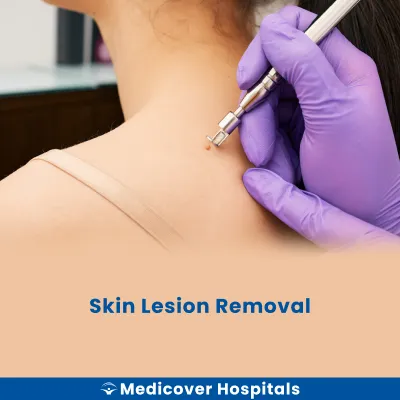
Skin lesion removal is a medical procedure to eliminate abnormal growths or patches on the skin. The skin, the body's largest organ, can develop lesions due to various reasons. These lesions can be benign (non-cancerous) or malignant (cancerous). Common types include moles, warts, cysts, and skin tags. The procedure aims to remove these lesions for diagnostic or cosmetic purposes.
This surgery is often needed to prevent potential health risks. Conditions like melanoma, basal cell carcinoma, or squamous cell carcinoma may require removal. If left untreated, these can lead to severe complications, including cancer spread. Modern surgical approaches include excision, cryotherapy (freezing), and laser surgery. Each method is chosen based on the lesion type and location.
Skin Lesion Removal Doctors Near You
Discover skilled dermatologists for skin lesion removal at Medicover Hospitals across India. Choose your city and book a consultation to address your concerns with expert care.
Why Choose Medicover Hospitals for Skin Lesion Removal Treatment?
Get a second opinion from trusted experts and makeconfident, informed decisions.
 Get Second Opinion
Complete Guide To Skin Lesion Removal
Everything you need to know about the procedure, preparation, and recovery
Skin Lesion Removal Surgery Indications
Doctors recommend skin lesion removal surgery when lesions cause discomfort, pose health risks, or have suspicious characteristics. This procedure is considered when conservative treatments do not provide relief or when diagnosis requires tissue examination.
Persistent Pain
Patients may experience ongoing pain from skin lesions, especially if they are irritated by clothing or movement. Doctors find tenderness or swelling during examination. Surgery is recommended when pain persists despite topical treatments.
Bleeding Lesions
Some lesions bleed easily, causing concern for patients. On examination, doctors observe frequent bleeding or crusting. Surgery is advised when bleeding does not stop with pressure or topical agents.
Changes in Appearance
Lesions that change in size, shape, or colour can be alarming. Patients notice these changes, and doctors confirm them through visual inspection or dermoscopy. Surgery is suggested when changes indicate potential malignancy.
Infection
Infected lesions can cause redness, warmth, and pus. Patients report increased pain and swelling. Doctors identify infection through examination and lab tests. Surgery is needed if antibiotics fail to resolve the infection.
Diagnostic Uncertainty
When a lesion's nature is unclear, patients may experience anxiety. Doctors may find atypical features on examination. Surgery is performed to obtain a Needle biopsy for accurate diagnosis.
How to Prepare for Skin Lesion Removal Treatment?
Proper preparation for skin lesion removal can help ensure a smooth procedure and recovery. It helps minimize risks and enhances the healing process.
- Medication Review: Inform your doctor about all medications you are taking, including over-the-counter drugs and supplements.
- Stop Certain Medications: Discontinue NSAIDs, anticoagulants, and herbal supplements at least 7 days before the procedure, as advised by your doctor.
- Fasting Guidelines: If local anaesthesia is used, fasting may not be necessary. Confirm with your healthcare provider.
- Hygiene: Clean the area around the lesion thoroughly on the day of the procedure to reduce infection risk.
- Clothing: Wear loose, comfortable clothing that allows easy access to the lesion site.
- Transportation: Arrange for someone to drive you home, especially if sedation is used during the procedure.
- Medication List: Bring a list of your current medications, including dosages, to the hospital.
- Post-Procedure Care: Understand the aftercare instructions provided by your healthcare team for optimal recovery.
Skin Lesion Removal Surgery (Step-by-Step)
Skin lesion removal is performed by experienced specialists from the Dermatology department. The procedure usually takes 30 minutes to an hour and is commonly carried out under local anaesthesia.
- Preparation: The area around the lesion is cleaned and sterilised. Local anaesthesia is administered to numb the area, ensuring minimal discomfort.
- Marking: The surgeon marks the lesion and surrounding area to guide the removal process. This helps in precise excision.
- Excision: Using a scalpel, the surgeon makes an incision around the lesion, usually 1-2 cm in size. The lesion is carefully removed along with a margin of healthy tissue.
- Haemostasis: Bipolar cautery is used to control bleeding. This ensures a clear surgical field and reduces the risk of complications.
- Closure: The incision is closed with sutures or surgical glue, depending on the size and location of the excision. This promotes healing and minimises scarring.
- Dressing: A sterile dressing is applied to protect the wound. The patient is advised on wound care and signs of infection to watch for.
- Recovery: Patients can usually return home the same day. Mild discomfort is common, but pain relief medication can be prescribed if needed.
Who Performs Skin Lesion Removal Surgery?
Our Dermatologists typically perform surgeries to remove skin lesions. They are trained to diagnose and treat various skin conditions, ensuring safe and effective removal of lesions.
Recovery After Skin Lesion Removal Treatment
Recovering from skin lesion removal surgery is usually straightforward. Most patients experience minimal discomfort and can return to daily activities quickly. However, it's important to follow post-operative care instructions to ensure proper healing.
Day 1-3:
- Expect mild swelling and redness around the surgical site.
- Keep the area clean and dry. Follow your doctor's instructions for dressing changes.
- Consume a soft diet including curd, dal-rice, and soups to avoid strain during recovery.
- Avoid strenuous activities and rest as much as possible.
Day 4-7:
- Swelling and redness should begin to subside.
- Continue with a balanced diet, incorporating foods like khichdi and moong dal for easy digestion.
- Light activities can be resumed, but avoid heavy lifting or exercise.
- Most people can return to work or school by the end of this week, depending on the nature of their job.
Day 8-14:
- The surgical site should be healing well, with reduced discomfort.
- Maintain a nutritious diet to support healing.
- Gradually increase activity levels, but continue to avoid any activities that may strain the area.
When to Seek Urgent Help:
- Severe pain or swelling that worsens over time.
- Signs of infection such as pus, increased redness, or warmth around the site.
- Fever or chills.
- Bleeding that doesn't stop with gentle pressure.
Benefits of Skin Lesion Removal Surgery
Skin lesion removal surgery can offer several advantages for patients with unwanted or suspicious skin growths.
- Improved Appearance: Removes unsightly lesions, enhancing skin aesthetics.
- Symptom Relief: Alleviates discomfort or irritation caused by lesions.
- Biopsy Opportunity: Allows for examination of the lesion to rule out malignancy.
- Prevention of Complications: Reduces the risk of lesions developing into more serious conditions.
Risks and Complications of Skin Lesion Removal Treatment
While generally safe, skin lesion removal surgery carries some risks and potential complications.
- Common - Scarring: Some degree of scarring is possible after removal.
- Common - Infection: Risk of infection at the site of surgery.
- Rare - Bleeding: Unexpected bleeding may occur during or after the procedure.
- Rare - Nerve Damage: Potential for nerve damage, leading to numbness or tingling.
- Rare - Recurrence: The lesion may return, requiring further treatment.
- Rare - Allergic Reaction: Possible reaction to anaesthesia or medications used.
Cost of Skin Lesion Removal Surgery
The cost of Skin Lesion Removal Surgery at Medicover Hospitals varies based on the ward category chosen. Prices range from Rs. 60,000 to Rs. 202,000 across different ward types. This ensures that patients can select an option that suits their budget and preferences.
We offer transparent pricing and support for insurance and TPA services, including CGHS, ESI, and major TPAs. Cashless facilities are available to ease the financial process. Please contact the hospital for the latest insurance panel details as these may change periodically.
Frequently Asked Questions
1. How much does Skin Lesion Removal surgery cost?
The cost of Skin Lesion Removal surgery at Medicover Hospitals ranges from Rs. 60,000 to Rs. 202,000, depending on the type of accommodation.
2. Is Skin Lesion Removal surgery covered under insurance?
Skin Lesion Removal surgery may be covered under CGHS, ESI, and major TPAs with cashless options. Please contact the hospital for current panel details.
3. Can skin lesions return after removal?
There is a possibility of skin lesions recurring after removal. Regular follow-ups are essential to monitor and manage any new growths.
4. Will I have scars after skin lesion removal?
Scarring is a common concern after skin lesion removal. The extent of scarring depends on the lesion size and location.
5. Can I shower immediately after surgery?
It's advisable to avoid showering for 24 hours post-surgery. Follow your doctor's instructions for wound care to ensure proper healing.
6. Will I need stitches for skin lesion removal?
Stitches may be required depending on the lesion's size and depth. Your doctor will inform you about the need for stitches during the procedure.
7. Can I resume outdoor activities post-surgery?
Avoid strenuous outdoor activities for at least one week post-surgery. Protect the area from sun exposure to prevent complications.
8. What are three types of skin lesions?
Common types of skin lesions include macules (flat, discolored spots), papules (small, raised bumps), and nodules (larger, solid lumps under the skin). These can vary in appearance and cause.
9. Can a skin lesion go away?
Yes, some skin lesions can go away on their own, especially if they are caused by minor infections, irritation, or inflammation. However, persistent or changing lesions should be evaluated by a doctor.
10. Should skin lesions be removed?
Not all skin lesions need removal. They may be removed if they are suspicious, painful, growing, or cosmetically concerning, or if there is a risk of cancer.
11. Do lesions need surgery?
Surgery is not always required. Some lesions can be treated with medications or minor procedures, while others, especially suspicious or cancerous ones, may require surgical removal (excision).


