 Call
Call Patient Reports
Best Skin Graft Procedure Hospital with Advanced Cosmetic Care
At Medicover Hospitals, our skilled plastic surgeons, holding qualifications like MS, DNB, and MCh, perform skin grafts using advanced open surgical techniques. This approach ensures precise graft placement and promotes faster healing, often resulting in shorter hospital stays for patients across India.
Expert Surgeons
Yearly Surgeries
Patient Satisfaction
What is Skin Graft?
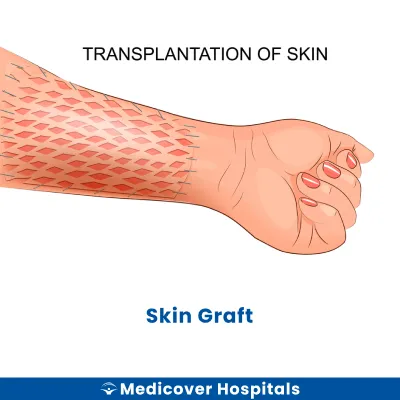
A skin graft is a surgical procedure involving the transplantation of skin. It is used to replace damaged or missing skin on the body. The skin (cutaneous tissue) is taken from one area of the body and moved to another. This helps cover wounds, burns, or areas with extensive skin loss.
Skin grafts are necessary for severe burns, large wounds, skin infections, or surgeries that leave significant skin loss. Without treatment, these conditions can lead to infections or delayed healing. Modern surgical approaches include split-thickness grafts, full-thickness grafts, and composite grafts. Each method is chosen based on the specific needs of the patient and the area requiring coverage.
Skin Graft Doctors Near You
Discover skilled plastic surgeons at Medicover Hospitals across India. Choose your city and book a consultation to address your digestive health needs with expert care.
Why Choose Medicover Hospitals for Skin Graft?
Get a second opinion from trusted experts and makeconfident, informed decisions.
 Get Second Opinion
Complete Guide To Skin Graft
Everything you need to know about the procedure, preparation, and recovery
Skin graft Procedure Indications
Doctors recommend a skin graft when a patient has lost skin due to injury or illness. This procedure helps cover and heal areas where skin is missing or damaged.
Severe Burns
Patients with severe burns may experience intense pain and visible skin damage. Doctors find extensive tissue loss on examination. When burns do not heal with dressings or ointments, a skin graft is considered.
Non-Healing Ulcers
Chronic ulcers can cause persistent pain and open wounds. Examination reveals ulcers that do not respond to medications or dressings. When these ulcers fail to heal over time, a skin graft may be necessary.
Traumatic Injuries
Trauma can lead to significant skin loss, causing bleeding and exposed tissue. Imaging may show deep wounds. If the injury does not heal with basic wound care, a skin graft is recommended.
Infections
Severe infections can destroy skin, leading to redness, swelling, and pus. Lab tests may show resistant bacteria. When antibiotics and cleaning do not resolve the infection, a skin graft may be needed.
Post-Surgical Wounds
After surgery, some wounds may not close properly, causing pain and exposure. Doctors find unhealed surgical sites. When stitches and dressings fail, a skin graft can help close the wound.
How to Prepare for Skin graft?
Proper preparation for a skin graft is crucial to ensure a smooth procedure and recovery. It helps minimise risks and enhances healing.
- Medication Review: Stop NSAIDs, anticoagulants, and herbal supplements as advised by your doctor.
- Fasting Guidelines: Fast for at least 8 hours before the surgery if general anaesthesia is used.
- Skin Preparation: Clean the area thoroughly as instructed by your healthcare provider.
- Clothing Choice: Wear loose-fitting clothes to avoid irritation on the graft site.
- Transportation Arrangement: Arrange for someone to drive you home post-surgery.
- Medication List: Bring a list of all medications with dosages for reference.
- Smoking Cessation: Avoid smoking to improve blood flow and healing.
- Hydration: Stay well-hydrated before fasting begins to aid recovery.
Skin graft Procedure (Step-by-Step)
A skin graft is performed by plastic surgeons. It typically lasts 1-3 hours. General anaesthesia is usually used to ensure the patient is asleep and pain-free.
- Preparation: The patient is positioned comfortably. The surgical area is cleaned and sterilised. Anaesthesia is administered to ensure the patient feels no pain.
- Donor Site Selection: The surgeon identifies a suitable donor site, often from the thigh or buttocks. The area is numbed with local anaesthesia if needed.
- Harvesting the Graft: Using a dermatome or scalpel, the surgeon carefully removes a thin layer of skin from the donor site. The incision is usually 1-2 cm in size. The patient remains unaware of this due to anaesthesia.
- Recipient Site Preparation: The damaged or missing skin area is prepared. Any dead tissue is removed using a curette or scalpel to ensure a clean surface for grafting.
- Graft Placement: The harvested skin is placed over the recipient site. It is carefully positioned and secured with sutures or staples. The patient may feel some pressure but no pain.
- Dressing and Bandaging: Both the donor and recipient sites are covered with sterile dressings. This helps protect the areas and promote healing.
- Recovery: The patient is monitored as they wake from anaesthesia. Pain management and care instructions are provided before discharge.
Who Performs Skin graft Procedure?
Skin grafts are performed by plastic surgeons. These specialists are trained in reconstructive techniques. They use precise instruments and methods to ensure effective grafting and healing.
Recovery After Skin graft Procedure
Recovery from a skin graft procedure requires careful attention to the graft site and overall health. Expect some discomfort and swelling initially. Following your doctor's instructions is crucial for optimal healing.
Day 1-3:
- Rest is essential. Keep the graft site elevated to reduce swelling.
- Follow prescribed pain management and avoid touching the graft area.
- Maintain a light diet. Include foods like curd, dal-rice, and moong dal to aid digestion and provide nutrients.
Day 4-7:
- Continue to monitor the graft site for any changes. Avoid strenuous activities.
- Introduce soft foods like khichdi and soups to your diet for easy digestion.
- Attend follow-up appointments to ensure proper healing.
Week 2-4:
- Gradually increase light activities, but avoid heavy lifting or intense exercise.
- Return to work or school may be possible, depending on your job and doctor's advice.
- Ensure a balanced diet with proteins and vitamins to support skin healing.
Phase 2 (Month 2-3):
- Resume normal activities as advised by your healthcare provider.
- Protect the graft site from sun exposure and maintain hydration.
- Continue with a nutritious diet to support overall recovery.
When to Seek Urgent Help
- Increased redness, swelling, or warmth around the graft site.
- Fever or chills indicating possible infection.
- Unusual drainage or foul smell from the graft area.
Benefits of Skin graft Procedure
Skin grafting is a surgical procedure used to treat skin loss due to burns, injuries, or surgeries. It offers several benefits for patients.
- Wound Healing: Promotes faster healing of large wounds.
- Reduced Infection Risk: Covers exposed areas, lowering the chance of infection.
- Improved Functionality: Restores function to damaged areas, especially in joints.
- Cosmetic Improvement: Enhances appearance by covering scars and defects.
- Pain Reduction: Eases discomfort by protecting nerve endings.
Risks and Complications of Skin graft Procedure
Like any surgical procedure, skin grafting carries certain risks. It's important to be aware of these potential complications.
- Common: Graft failure due to poor blood supply.
- Common: Infection at the graft or donor site.
- Common: Scarring at both the graft and donor sites.
- Rare: Allergic reaction to anaesthesia.
- Rare: Changes in skin colour or texture.
- Rare: Chronic pain at the donor site.
- Rare: Fluid accumulation under the graft.
Cost of Skin graft Procedure
The cost of a skin graft procedure can vary based on several factors, including the surgical approach, duration of hospital stay, room category, required diagnostics, and post-operative care.
At Medicover Hospitals, we ensure transparent pricing for all procedures. We offer support for insurance and Third Party Administrators (TPA), including CGHS, ESI, and major TPAs. A cashless facility is also available for added convenience. Please contact the hospital for the latest insurance panel details as these may change periodically.
Frequently Asked Questions
1. How much does Skin graft procedure cost at Medicover Hospitals?
The cost of a skin graft procedure varies based on the complexity and area treated. Please contact Medicover Hospitals for detailed pricing information.
2. Is Skin graft procedure covered under health insurance at Medicover?
Skin graft procedures may be covered by CGHS, ESI, and major TPAs. Please contact the hospital for current panel details.
3. Will my skin colour match after a skin graft?
The grafted skin may not perfectly match the surrounding skin colour. Over time, it may blend better, but some differences can remain.
4. How long before I can shower after a skin graft?
You should avoid showering the grafted area for about two weeks. Follow your doctor's advice for specific care instructions.
5. Can I exercise after a skin graft procedure?
Strenuous activities should be avoided for at least 4-6 weeks post-surgery. Gentle movements and doctor-approved exercises can aid recovery.
6. Is itching normal after a skin graft?
Itching is a common sensation as the skin heals. Avoid scratching and consult your doctor for suitable remedies if it becomes uncomfortable.
7. Will I need special clothing after a skin graft?
Loose, breathable clothing is recommended to avoid irritation on the graft site. Compression garments may be advised to support healing.


