 Call
Call Patient Reports
Sigmoidoscopy Procedure by Expert Gastroenterologists Medical
Sigmoidoscopy at Medicover Hospitals is performed using the endoscopic approach by our experienced gastroenterologists with qualifications like DM and DNB. This procedure helps diagnose and treat conditions in the lower colon. Patients often experience shorter hospital stays and quicker recovery times.
Expert Experts
Yearly Procedures
Patient Satisfaction
What is Sigmoidoscopy?
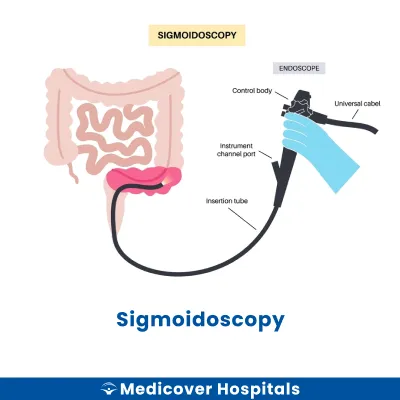
Sigmoidoscopy is a medical procedure used to examine the lower part of the colon, known as the sigmoid colon. During this procedure, a flexible tube with a light and camera, called a sigmoidoscope, is inserted into the rectum. This allows doctors to view the inside of the sigmoid colon and rectum, helping to identify any abnormalities or issues.
Sigmoidoscopy is often recommended to diagnose conditions like colorectal cancer, polyps, and inflammatory bowel disease. If these conditions are left untreated, they can lead to severe complications, including bowel obstruction or cancer progression. Modern approaches to sigmoidoscopy include flexible sigmoidoscopy, which offers a less invasive and more comfortable experience for patients. Early detection through this procedure can significantly improve treatment outcomes.
Sigmoidoscopy Doctors Near You
Discover experienced gastroenterologists-medical at Medicover Hospitals across India. Choose your city and book a consultation to address your digestive health needs with confidence.
Why Choose Medicover Hospitals for Sigmoidoscopy?
Get a second opinion from trusted experts and makeconfident, informed decisions.
 Get Second Opinion
Complete Guide To Sigmoidoscopy
Everything you need to know about the procedure, preparation, and recovery
Sigmoidoscopy Procedure Indications
Doctors recommend a sigmoidoscopy to examine the lower part of the colon. This procedure helps diagnose various conditions when symptoms or test results suggest an issue in the sigmoid colon or rectum.
Chronic Diarrhoea
Patients experiencing persistent diarrhoea may undergo a sigmoidoscopy. If stool tests and imaging show no clear cause, this procedure helps identify inflammation or other abnormalities in the colon lining.
Rectal Bleeding
Visible blood in stools or on toilet paper can lead to a sigmoidoscopy recommendation. If initial tests like a digital rectal exam or blood tests are inconclusive, this procedure helps locate the bleeding source.
Unexplained Abdominal Pain
Persistent lower abdominal pain without a clear cause may warrant a sigmoidoscopy. If imaging and lab tests do not reveal the issue, this procedure allows direct visualisation of the colon's interior.
Changes in Bowel Habits
Significant changes in bowel movements, such as constipation or narrow stools, may prompt a sigmoidoscopy. When dietary adjustments and medications fail, this procedure can help identify structural or functional issues.
Screening for Colon Polyps
For individuals at risk of colon polyps, a sigmoidoscopy may be advised. If non-invasive tests suggest potential growths, this procedure allows for direct examination and possible biopsy.
How to Prepare for Sigmoidoscopy?
Proper preparation is crucial for a successful sigmoidoscopy. It ensures clear visibility of the colon and rectum, allowing for accurate diagnosis.
- Stop Certain Medications: Discontinue NSAIDs, anticoagulants, and herbal supplements as advised by your doctor.
- Fasting: Avoid eating or drinking for at least 6 hours before the procedure if anaesthesia is used.
- Bowel Preparation: Follow the prescribed bowel prep regimen to cleanse the colon. This may include laxatives or enemas.
- Hydration: Drink clear fluids as recommended, but stop as instructed before the procedure.
- Wear Comfortable Clothing: Choose loose-fitting clothes for comfort during and after the procedure.
- Arrange Transport: Have someone drive you home post-procedure, especially if sedation is used.
- Medication List: Bring a list of your current medications, including dosages, for the healthcare team.
- Follow Doctor's Instructions: Adhere to any additional specific instructions provided by your healthcare provider.
Sigmoidoscopy procedure (Step-by-Step)
Overview: Sigmoidoscopy is performed by gastroenterologists. It typically takes 15-30 minutes. Local anaesthesia is often used to minimise discomfort.
- Preparation: The patient is asked to change into a hospital gown. A mild sedative may be given to help relax.
- Positioning: The patient lies on their side on an examination table. Knees are drawn up towards the chest.
- Insertion: The doctor gently inserts a sigmoidoscope, a flexible tube with a light and camera, into the rectum. The patient may feel pressure or slight discomfort.
- Inspection: The doctor carefully guides the sigmoidoscope through the lower colon. Air is introduced to expand the colon for better visibility. The patient might feel bloating or cramping.
- Biopsy (if needed): If abnormalities are found, a small biopsy tool may be used to collect tissue samples. This is usually painless.
- Completion: The sigmoidoscope is slowly withdrawn. The patient may feel a sensation of relief as the air is released.
- Recovery: The patient rests briefly to recover from the procedure. Any sedative effects will wear off, and normal activities can usually be resumed shortly.
Who Performs Sigmoidoscopy procedure?
A gastroenterologist specialist, a doctor specialising in digestive system disorders, performs a sigmoidoscopy. They are trained to use the sigmoidoscope and interpret findings to diagnose conditions affecting the lower colon.
Recovery After Sigmoidoscopy Procedure
After a sigmoidoscopy, most patients can resume normal activities soon. However, it's normal to experience mild discomfort or bloating. Recovery is generally quick, but it's important to follow specific guidelines to ensure a smooth process.
Day 1:
- Rest for the remainder of the day. Avoid strenuous activities.
- Start with light meals. Opt for easily digestible foods like curd, dal-rice, or khichdi.
- Drink plenty of fluids to help flush out any remaining air from the procedure.
Day 2:
- Resume normal diet if comfortable. Include soft foods like moong dal and soups.
- Continue to avoid heavy lifting or intense exercise.
- You can return to work or school if you feel up to it.
Day 3-7:
- Gradually reintroduce regular foods. Listen to your body and avoid anything that causes discomfort.
- Light physical activities can be resumed, but avoid anything too strenuous.
When to Seek Urgent Help:
- Severe abdominal pain or persistent bloating.
- Heavy rectal bleeding or blood in stools.
- Fever or chills indicating a possible infection.
If you experience any of these symptoms, contact your healthcare provider immediately. Remember, recovery experiences can vary, so follow your doctor's specific advice for the best outcome.
Benefits of Sigmoidoscopy procedure
Sigmoidoscopy is a diagnostic procedure used to examine the lower part of the colon. It offers several advantages for patients.
- Early Detection: Helps in identifying early signs of colorectal cancer.
- Minimal Invasiveness: Less invasive compared to a full colonoscopy.
- Quick Procedure: Typically takes less time to perform.
- Screening for Polyps: Detects and allows removal of polyps before they become cancerous.
- Symptom Evaluation: Assists in diagnosing causes of abdominal pain or rectal bleeding.
Risks and Complications of Sigmoidoscopy procedure
While generally safe, sigmoidoscopy carries some risks and potential complications.
Common Risks
- Mild discomfort or cramping during the procedure.
- Minor bleeding, especially if a biopsy is taken.
Rare Risks
- Perforation of the colon, which may require surgical intervention.
- Infection at the site of biopsy or polyp removal.
- Adverse reaction to sedatives, if used.
Cost of Sigmoidoscopy procedure
The cost of a sigmoidoscopy procedure can vary from ₹1,500 to ₹35,000 based on several factors, including the surgical approach, duration of hospital stay, room category, required diagnostics, and post-operative care.
At Medicover Hospitals, we ensure transparent pricing for all procedures. We offer support for insurance and Third Party Administrators (TPA), including CGHS, ESI, and major TPAs. A cashless facility is also available for your convenience. Please contact the hospital for the latest insurance panel details as these may change periodically.
Frequently Asked Questions
1. How much does Sigmoidoscopy procedure cost at Medicover Hospitals?
The Cost of Sigmoidoscopy procedure varies from ₹1,500 to ₹35,000 Please contact Medicover Hospitals for the current cost of a sigmoidoscopy procedure, as pricing may vary across different locations.
2. Is Sigmoidoscopy procedure covered under health insurance at Medicover?
Sigmoidoscopy may be covered by CGHS, ESI, and major TPAs. Please contact the hospital for current panel details.
3. Will I feel discomfort during a sigmoidoscopy?
You may experience mild discomfort or cramping during the procedure. This is temporary and usually subsides shortly after completion.
4. Can I eat immediately after a sigmoidoscopy?
You can eat light meals like curd, dal-rice, or khichdi after the procedure. It's advisable to avoid heavy or spicy foods initially.
5. Is bleeding normal after a sigmoidoscopy?
Minor bleeding may occur if a biopsy is taken during the procedure. If bleeding persists, consult your doctor immediately.
6. Do I need to change my diet before a sigmoidoscopy?
A clear liquid diet is often recommended a day before the procedure. Avoid solid foods and opt for items like clear soup or coconut water.
7. Can a sigmoidoscopy detect colon cancer?
Sigmoidoscopy can help detect abnormalities in the sigmoid colon that may indicate cancer. However, it does not examine the entire colon.


