 Call
Call Patient Reports
Best Sequestrectomy Surgery Hospital with Advanced Surgical Care
Sequestrectomy at Medicover Hospitals is performed using the open surgical approach by skilled orthopaedic surgeons with qualifications like MS and DNB. This procedure effectively removes dead bone tissue, leading to reduced infection risk and improved healing. Patients often experience shorter hospital stays.
Expert Surgeons
Yearly Surgeries
Patient Satisfaction
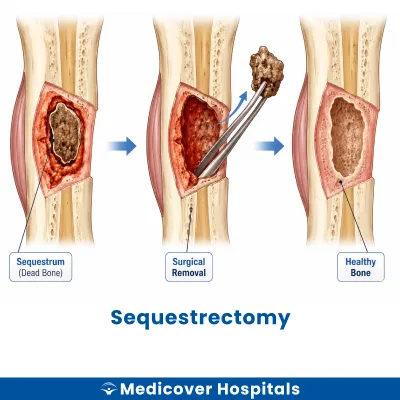
What is Sequestrectomy?
Surgical excision of hepatic hydatid cyst is a procedure to remove cysts from the liver. These cysts are caused by the parasitic infection Echinococcosis. The liver is the organ most commonly affected. The surgery involves carefully removing the cysts to prevent complications. This helps in restoring normal liver function.
This surgery is needed when hydatid cysts grow large or cause symptoms. If untreated, these cysts can lead to serious complications like infection or rupture. This can affect liver function and overall health. Modern surgical approaches include laparoscopic surgery (minimally invasive surgery) and open surgery. These methods help in effectively managing the condition. Early intervention is crucial for better outcomes.
Sequestrectomy Doctors Near You
Discover skilled orthopedics for sequestrectomy at Medicover Hospitals across India. Choose your city and book a consultation to address your bone health needs with our experienced specialists.
Why Choose Medicover Hospitals for Sequestrectomy?
Get a second opinion from trusted experts and makeconfident, informed decisions.
 Get Second Opinion
Complete Guide To Sequestrectomy
Everything you need to know about the procedure, preparation, and recovery
Sequestrectomy Surgery Indications
Doctors recommend sequestrectomy when a patient has dead bone tissue that needs removal. This procedure is often necessary when conservative treatments do not alleviate symptoms or halt disease progression.
Chronic Osteomyelitis
Patients may experience persistent bone pain, swelling, and redness. Imaging tests like X-rays or MRIs show dead bone tissue. When antibiotics and other treatments fail to resolve the infection, sequestrectomy becomes necessary.
Bone Necrosis
Individuals often report severe pain and limited movement. Scans reveal necrotic bone areas. Surgery is considered when medication and physical therapy do not improve symptoms.
Non-healing Bone Fractures
Patients may have ongoing pain and instability at the fracture site. X-rays show unhealed bone fragments. If immobilisation and bone stimulators do not work, sequestrectomy is advised.
Bone Abscess
Symptoms include fever, swelling, and intense pain. Imaging reveals pus-filled cavities within the bone. When drainage and antibiotics are ineffective, surgery is required.
Severe Bone Infection
Patients experience fever, chills, and localized bone pain. Blood tests and imaging confirm infection. Surgery is needed when infection persists despite antibiotic therapy.
Failed Previous Surgery
Some patients have ongoing symptoms after initial surgical attempts. Imaging shows remaining dead bone. Sequestrectomy is recommended when revision is necessary.
How to Prepare for Sequestrectomy?
Proper preparation for sequestrectomy is crucial to ensure a smooth procedure and recovery. It helps minimise risks and enhances the effectiveness of the surgery.
- Medication Review: Stop NSAIDs, anticoagulants, and herbal supplements at least a week before surgery.
- Fasting Instructions: Fast for at least 8 hours before the procedure if general anaesthesia is used.
- Pre-Surgery Tests: Complete any required blood tests or imaging studies as advised by your doctor.
- Clothing: Wear loose, comfortable clothing on the day of the surgery for ease of movement.
- Transportation: Arrange for someone to drive you home post-surgery, as you may feel drowsy.
- Medication List: Bring a list of current medications with dosages to the hospital.
- Pre-Op Instructions: Follow any specific instructions given by your surgeon, such as skin cleansing routines.
- Home Preparation: Prepare your home for easy access and comfort during recovery.
Sequestrectomy Surgery (Step-by-Step)
This procedure is performed at Medicover Hospitals Orthopedics Department. The procedure typically lasts 1-2 hours and is usually carried out under general anaesthesia.
- Preparation: The patient is positioned comfortably on the operating table. Anaesthesia is administered to ensure they are asleep and pain-free.
- Incision: A small incision, usually 1-2 cm, is made over the affected bone area to access the sequestrum.
- Exposure: The surgeon carefully retracts the surrounding tissues to expose the infected or dead bone. Instruments like retractors are used for this.
- Sequestrum Removal: Using a curette, the surgeon removes the sequestrum, which is the dead bone fragment. This step is performed with precision to avoid damage to healthy tissues.
- Cleaning: The area is cleaned thoroughly to remove any remaining debris or infection. This may involve irrigation with a saline solution.
- Closure: The incision is closed with sutures or staples. A sterile dressing is applied to protect the wound.
- Recovery: The patient is moved to a recovery area. They are monitored as they wake up from anaesthesia. Pain management and antibiotics may be administered as needed.
Who Performs Sequestrectomy Surgery?
Sequestrectomy is performed by orthopaedic surgeons. These specialists are trained in diagnosing and treating bone conditions. They use their expertise to ensure the safe removal of dead bone tissue while preserving healthy structures.
Recovery After Sequestrectomy Surgery
Recovery from sequestrectomy surgery involves gradual healing and regaining strength. Patients can expect some discomfort initially, but this typically improves over time. Adhering to post-operative instructions is crucial for a smooth recovery.
Day 1-3:
- Rest is essential. Avoid putting strain on the affected area.
- Follow a soft diet. Include foods like curd, dal-rice, and soups to aid digestion.
- Take prescribed medications to manage pain and prevent infection.
Day 4-7:
- Gradually increase light activities as tolerated. Avoid heavy lifting or strenuous exercises.
- Continue with a nutritious diet. Incorporate khichdi and moong dal for protein and energy.
- Attend follow-up appointments to monitor healing progress.
Week 2-4:
- Most patients can resume work or school, depending on the nature of their activities.
- Engage in gentle exercises like walking to improve circulation.
- Maintain a balanced diet to support recovery.
Phase 2 (Month 1-3):
- Gradually return to normal activities, including moderate exercise.
- Continue to avoid activities that may stress the surgical site.
- Regular check-ups are important to ensure complete recovery.
When to Seek Urgent Help:
- Severe pain not relieved by medication.
- Signs of infection, such as fever or unusual discharge from the surgical site.
- Sudden swelling or redness around the incision area.
Benefits of Sequestrectomy Surgery
Sequestrectomy is a surgical procedure aimed at removing dead bone tissue, known as sequestrum, to alleviate pain and prevent infection.
- Pain Relief: Reduces discomfort by removing the source of irritation.
- Infection Control: Helps prevent the spread of infection by eliminating necrotic tissue.
- Improved Mobility: Enhances movement by reducing inflammation and pressure on surrounding tissues.
- Faster Healing: Promotes quicker recovery by allowing healthy tissue to regenerate.
Risks and Complications of Sequestrectomy Surgery
While sequestrectomy can be beneficial, it carries certain risks and potential complications. It's important to be aware of them.
- Infection at the surgical site, which may require antibiotics.
- Bleeding during or after the procedure.
- Damage to surrounding nerves or tissues, potentially affecting function.
- Delayed healing or incomplete removal of sequestrum.
- Adverse reactions to anaesthesia.
Common Risks:
Rare Complications:
Cost of Sequestrectomy Surgery
The cost of Sequestrectomy Surgery at Medicover Hospitals ranges from Rs. 15,000 to Rs. 1,00,000. The price varies based on the ward category chosen, such as general, twin sharing, or private rooms. We offer transparent pricing to ensure clarity for our patients.
Insurance and TPA support are available, with CGHS, ESI, and major TPAs accepted. A cashless facility is also offered for convenience. Please contact the hospital for the latest insurance panel details as these may change periodically.
Frequently Asked Questions
1. How much does Sequestrectomy surgery cost?
The cost of Sequestrectomy surgery at Medicover Hospitals ranges from Rs. 15,000 to Rs. 1,00,000, depending on the type of care.
2. Is Sequestrectomy surgery covered by insurance?
Sequestrectomy surgery may be covered under CGHS, ESI, and major TPAs for cashless treatment. Please contact the hospital for current panel details.
3. Will I need antibiotics after Sequestrectomy?
Yes, antibiotics are often prescribed to prevent infection after Sequestrectomy. Follow your doctor's instructions for dosage and duration.
4. Can I walk immediately after Sequestrectomy?
Walking is generally encouraged shortly after Sequestrectomy to promote circulation. However, follow your doctor's specific advice on activity levels.
5. Will I need a special diet post-Sequestrectomy?
A balanced diet including curd, dal-rice, and khichdi is recommended. Avoid spicy foods and ensure adequate hydration during recovery.
6. Can bone infection recur after Sequestrectomy?
There is a possibility of recurrence if the infection is not fully cleared. Regular follow-ups are essential to monitor healing and prevent complications.
7. Will I have a scar after Sequestrectomy?
A scar is likely after Sequestrectomy, but it usually fades over time. Proper wound care and follow-up can help minimize its appearance.


