 Call
Call Patient Reports
Septorhinoplasty Surgery at Medicover Hospitals
Septorhinoplasty at Medicover Hospitals is performed using advanced endoscopic techniques by skilled ENT surgeons with qualifications like MS and DNB. This approach ensures smaller incisions and reduced blood loss, leading to a quicker recovery and shorter hospital stay for patients across India.
Expert Surgeons
Yearly Surgeries
Patient Satisfaction
What is Septorhinoplasty?
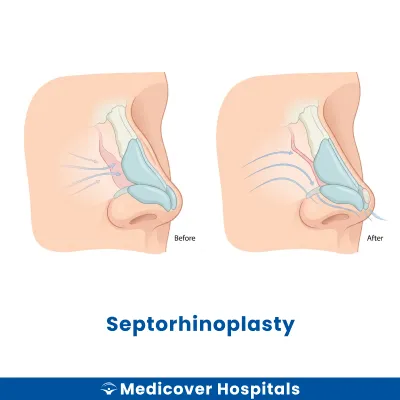
Septorhinoplasty is a surgical procedure involving the nose. It combines septoplasty (correction of the nasal septum) and rhinoplasty (reshaping of the nose). The nasal septum is the cartilage and bone dividing the nasal cavity. This surgery aims to improve both the function and appearance of the nose.
Septorhinoplasty is needed for conditions like a deviated septum or nasal deformities. These can cause breathing difficulties, snoring, or sinus infections. If untreated, they may lead to chronic breathing issues. Modern surgical approaches include open and closed techniques. These methods allow for precise correction and reshaping. Discuss options with your surgeon for the best outcome.
Septorhinoplasty Doctors Near You
Find experienced ENT specialists for septorhinoplasty at Medicover Hospitals across India. Choose your city and book a consultation to discuss your needs and treatment options.
Why Choose Medicover Hospitals for Septorhinoplasty?
Get a second opinion from trusted experts and makeconfident, informed decisions.
 Get Second Opinion
Complete Guide To Septorhinoplasty
Everything you need to know about the procedure, preparation, and recovery
Septorhinoplasty Surgery Indications
Doctors recommend septorhinoplasty when structural issues in the nose cause breathing difficulties or cosmetic concerns. This procedure addresses both functional and aesthetic problems, often after other treatments have not provided relief.
Deviated Nasal Septum
Patients often experience nasal obstruction, difficulty breathing, and frequent sinus infections. On examination, the septum is visibly misaligned. When nasal sprays and other conservative treatments fail, surgery is advised.
Nasal Trauma
Following an injury, patients may have nasal deformity, swelling, and breathing issues. Imaging may show fractures or displacement. If symptoms persist despite initial treatments, surgery is considered.
Chronic Nasal Congestion
Persistent nasal congestion and difficulty breathing are common complaints. Examination may reveal structural abnormalities. When medications and therapies do not improve symptoms, septorhinoplasty is an option.
Cosmetic Concerns
Some patients are unhappy with the shape or size of their nose, affecting self-esteem. Physical examination confirms the cosmetic issues. Surgery is considered when patients seek a permanent solution.
Sleep Apnea
Patients report snoring and disrupted sleep. Sleep studies may show obstructive patterns. When CPAP and other treatments are ineffective, surgery may be recommended to improve airflow.
Recurrent Nosebleeds
Frequent nosebleeds can indicate structural problems. Examination might reveal septal perforations or other issues. If conservative measures like cauterization fail, surgery may be necessary.
How to Prepare for Septorhinoplasty?
Proper preparation for septorhinoplasty is crucial to ensure a smooth procedure and recovery. It helps in minimizing risks and enhancing the outcome of the surgery.
- Medication Review: Stop NSAIDs, anticoagulants, and herbal supplements 2 weeks prior, as they may increase bleeding risk.
- Fasting Guidelines: Fast for at least 8 hours before the surgery if general anaesthesia is used.
- Nasal Preparations: Use prescribed nasal sprays as directed to reduce swelling and congestion.
- Clothing: Wear loose, comfortable clothing on the day of surgery to avoid pressure on the nose post-surgery.
- Transportation: Arrange for someone to drive you home after the procedure, as anaesthesia effects can linger.
- Medication List: Bring a list of all medications with dosages to the hospital for reference.
- Smoking Cessation: Stop smoking at least 2 weeks before surgery to improve healing and reduce complications.
- Hydration: Stay well-hydrated in the days leading up to the surgery, but avoid drinking water during the fasting period.
Septorhinoplasty Surgery (Step-by-Step)
Overview: Septorhinoplasty is performed by ENT specialists. The procedure typically lasts 1-3 hours. It is usually done under general anaesthesia.
- Preparation: The patient is given general anaesthesia to ensure comfort and pain-free surgery. The surgical area is cleaned and sterilised.
- Incision: A small incision, usually 1-2 cm, is made inside the nostrils. This is to access the nasal septum and the nasal structure.
- Correction of Septum: The surgeon uses instruments like a septal elevator and curette to straighten the septum. Any obstructive bone or cartilage is removed or repositioned.
- Reshaping the Nose: If required, the surgeon reshapes the nasal structure using tools like a rasp or osteotome. This helps in achieving the desired appearance.
- Closure: The incisions are closed with sutures. Nasal packing or splints may be placed to support the new shape and to control bleeding.
- Recovery Room: The patient is moved to a recovery area to wake up from anaesthesia. Monitoring is done for any immediate post-surgical concerns.
- Post-Operative Care: The patient is given instructions for home care, including managing swelling and avoiding strenuous activities.
Who Performs Septorhinoplasty Surgery?
Septorhinoplasty is performed by ENT Specialists. These surgeons have expertise in nasal surgeries and are trained to handle both functional and aesthetic aspects of the procedure.
Recovery After Septorhinoplasty Surgery
Recovery from septorhinoplasty surgery involves gradual healing and adjustment. Patients can expect some swelling, bruising, and discomfort initially. It's important to follow post-operative instructions for a smooth recovery.
Day 1-3:
- Rest is crucial. Keep your head elevated to reduce swelling.
- Expect nasal congestion and mild discomfort. Use prescribed pain relief as needed.
- Stick to a soft diet. Include foods like curd, dal-rice, and soups.
Day 4-7:
- Swelling and bruising may begin to subside.
- Continue with a soft diet. Khichdi and moong dal are good options.
- Avoid strenuous activities and bending over.
Day 8-14:
- Stitches and splints may be removed around this time.
- Gradually resume light activities, but avoid heavy lifting.
- You may return to work or school if you feel comfortable.
Phase 3 (Week 3-4):
- Most swelling should decrease, but minor swelling may persist.
- Normal diet can be resumed, but avoid very spicy or hot foods.
- Continue to protect your nose from any impact.
When to Seek Urgent Help:
- Severe or increasing pain not relieved by medication.
- Excessive bleeding or unusual discharge from the nose.
- High fever or signs of infection.
Benefits of Septorhinoplasty Surgery
Septorhinoplasty is a surgical procedure that addresses both functional and aesthetic concerns of the nose.
- Improved Breathing: Corrects deviated septum, enhancing airflow through the nasal passages.
- Enhanced Appearance: Reshapes the nose for a more balanced facial profile.
- Increased Confidence: Boosts self-esteem by aligning physical appearance with personal expectations.
- Reduced Snoring: Alleviates nasal obstructions, potentially decreasing snoring issues.
Risks and Complications of Septorhinoplasty Surgery
While septorhinoplasty can offer significant benefits, it is important to be aware of potential risks and complications.
Common Risks
- Swelling and bruising around the nose and eyes.
- Temporary numbness in the nasal area.
Rare Risks
- Infection at the surgical site.
- Persistent nasal obstruction or breathing difficulties.
- Unfavourable scarring or changes in skin sensation.
- Need for revision surgery if desired results are not achieved.
Cost of Septorhinoplasty Surgery
The cost of septorhinoplasty surgery at Medicover Hospitals ranges from ₹65,000 to over ₹2,00,000. The price varies depending on the ward category chosen, such as day care, general, private, or suite options. We offer transparent pricing to ensure clarity for our patients.
Insurance and TPA support is available, with CGHS, ESI, and major TPAs accepted. A cashless facility is also offered for added convenience. Please contact the hospital for the latest insurance panel details as these may change periodically.
Frequently Asked Questions
1. How much does Septorhinoplasty surgery cost at Medicover Hospitals?
The cost of Septorhinoplasty surgery at Medicover Hospitals ranges from ₹65,000 to over ₹2,00,000, depending on the type of accommodation chosen.
2. Is Septorhinoplasty surgery covered under health insurance at Medicover?
Septorhinoplasty may be covered by CGHS, ESI, and major TPAs with cashless options. Please contact the hospital for current panel details.
3. Will my breathing improve after Septorhinoplasty?
Yes, Septorhinoplasty aims to correct nasal obstructions, potentially improving breathing. Recovery may take a few weeks for full benefits to be noticed.
4. Can I wear glasses after Septorhinoplasty?
Avoid wearing glasses directly on your nose for at least 4 weeks post-surgery. Consider using contact lenses or a glasses support frame.
5. Will my sense of smell change after Septorhinoplasty?
Temporary changes in the sense of smell can occur post-surgery. Normal sense usually returns within a few weeks as swelling subsides.
6. What foods should I avoid after Septorhinoplasty?
Avoid spicy and hot foods like chilli, as they may irritate the nose. Opt for soft foods like curd, dal-rice, and khichdi initially.
7. Can I exercise after Septorhinoplasty?
Strenuous exercise should be avoided for at least 4 weeks post-surgery. Light activities can be resumed gradually as advised by your doctor.


