 Call
Call Patient Reports
Best Hospital for Secondary Suturing under GA Surgery by Expert Pediatric Surgeons
Secondary suturing under general anaesthesia at Medicover Hospitals is performed using the open surgical approach. Our pediatric surgeons, with qualifications like MS and M.Ch in Paediatric Surgery, ensure precise care. This method often results in reduced blood loss during the procedure.
Expert Surgeons
Yearly Surgeries
Patient Satisfaction
What is Secondary Suturing Under GA?
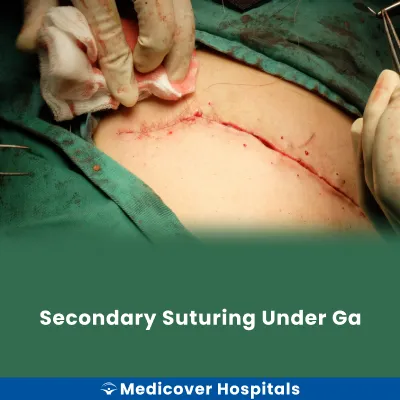
Secondary suturing under GA (general anaesthesia) is a surgical procedure involving the re-closure of a wound or surgical incision. It is often performed on the skin or soft tissues. This procedure is necessary when a wound has not healed properly or has reopened. The process involves cleaning the wound and then suturing (stitching) it again to promote proper healing.
This surgery is needed when initial wound healing is delayed or disrupted, often due to infection or poor blood supply. If left untreated, the wound may become infected or lead to complications like chronic wounds. Modern surgical approaches for secondary suturing include techniques like flap surgery and skin grafting, which help in effective wound closure and healing.
Secondary Suturing Under GA Doctors Near You
Find expert pediatric-surgeons for secondary suturing under GA at Medicover Hospitals across India. Choose your city and book a consultation to ensure your child's care and comfort.
Why Choose Medicover Hospitals for Secondary Suturing Under GA?
Get a second opinion from trusted experts and makeconfident, informed decisions.
 Get Second Opinion
Complete Guide To Secondary Suturing Under Ga
Everything you need to know about the procedure, preparation, and recovery
Secondary suturing under GA Surgery Indications
Doctors recommend secondary suturing under general anaesthesia when initial wound healing is inadequate or complications arise. This procedure is often necessary to ensure proper closure and healing of wounds that have not responded to conservative treatments.
Delayed Wound Healing
Patients may experience prolonged open wounds with persistent pain or discharge. On examination, the wound edges appear separated or non-healing. When topical treatments and dressings fail, secondary suturing is considered.
Infection
Signs of infection include redness, swelling, and pus discharge from the wound. Lab tests may show elevated white blood cell counts. If antibiotics and wound care do not resolve the infection, surgical intervention is needed.
Dehiscence
Patients might notice a reopening of a previously closed wound, often accompanied by pain and bleeding. Clinically, the wound edges are not approximated. When supportive measures like bandaging do not suffice, secondary suturing is required.
Excessive Scarring
Some patients develop thick or raised scars that cause discomfort or restrict movement. Examination reveals hypertrophic or keloid scars. If conservative scar management fails, surgical revision may be necessary.
Foreign Body Reaction
Symptoms include persistent pain and swelling at the wound site. Imaging may reveal retained foreign material. When removal and local treatment are ineffective, secondary suturing is performed to address the issue.
How to Prepare for Secondary Suturing under GA?
Proper preparation for secondary suturing under general anaesthesia (GA) is crucial for a smooth procedure and recovery. It helps minimise risks and ensures the best possible outcome.
- Medication Review: Stop NSAIDs, anticoagulants, and herbal supplements at least 7 days before surgery.
- Fasting Requirement: Do not eat or drink anything for at least 6-8 hours before the procedure.
- Pre-Surgery Hygiene: Take a shower the night before or the morning of the surgery to reduce infection risk.
- Clothing: Wear loose, comfortable clothing on the day of surgery for easy changing post-procedure.
- Transportation: Arrange for someone to drive you home after the surgery, as you will not be able to drive yourself.
- Medication List: Bring a list of all medications you are currently taking, including dosages, to the hospital.
- Smoking and Alcohol: Avoid smoking and alcohol for at least 24 hours before the surgery to aid recovery.
- Rest and Relaxation: Ensure you get a good night's sleep before the surgery to help your body recover better.
Secondary suturing under GA Surgery (Step-by-Step)
Secondary suturing under general anaesthesia is performed by experienced specialists from the Paediatric Surgery department. The procedure usually takes 30-60 minutes and is carried out under general anaesthesia to ensure the child remains comfortable and pain-free.
- Preparation: The patient is placed under general anaesthesia. This ensures they are asleep and pain-free during the procedure.
- Incision and Exploration: The surgeon makes an incision, usually 1-2 cm, to access the wound area. Surgical instruments like a curette may be used to clean the wound.
- Debridement: Any dead or infected tissue is removed using a curette. This helps in promoting healing and reducing infection risk.
- Suturing: The surgeon uses sutures to close the wound. This step ensures the edges of the wound are brought together for optimal healing.
- Inspection: The area is carefully inspected to ensure proper closure and no bleeding. Bipolar cautery may be used if bleeding is present.
- Closure: The skin is closed with additional sutures. The incision is then covered with a sterile dressing to protect the area.
- Recovery: The patient is moved to a recovery room. They are monitored as they wake up from anaesthesia, ensuring they are stable before discharge.
Who Performs Secondary suturing under GA Surgery?
A pediatric surgeon performs secondary suturing under general anaesthesia. These specialists are trained to handle surgical procedures in children, ensuring the best outcomes for young patients. They have expertise in managing complex wounds and ensuring proper healing.
Recovery After Secondary Suturing Under GA Surgery
Recovery from secondary suturing under general anaesthesia (GA) involves careful monitoring and following specific guidelines to ensure proper healing. Patients can expect some discomfort initially, but it should gradually improve over time.
Day 1-2:
- Rest is crucial. Avoid any physical exertion.
- Stick to a soft diet. Include foods like curd, dal-rice, and soups.
- Keep the sutured area clean and dry. Follow the doctor's instructions for wound care.
Day 3-5:
- Gradually increase activity levels but avoid heavy lifting or strenuous activities.
- Continue with a balanced diet. Include khichdi and moong dal for easy digestion.
- Monitor the wound for any signs of infection.
Day 6-10:
- Most patients can resume light activities and return to work or school if they feel comfortable.
- Maintain a nutritious diet to support healing. Incorporate a variety of fruits and vegetables.
- Ensure regular follow-up appointments with the doctor.
Phase 2 (Week 2-4):
- Gradually return to normal activities but avoid high-impact sports or activities.
- Continue to eat a balanced diet rich in proteins and vitamins.
- Observe the healing process and report any unusual changes to the doctor.
When to Seek Urgent Help
- Increased redness, swelling, or warmth around the wound.
- Pus or unusual discharge from the sutured area.
- Fever or chills indicating a possible infection.
- Severe pain not relieved by prescribed medications.
Benefits of Secondary Suturing under GA Surgery
Secondary suturing under general anaesthesia (GA) is a procedure used to close wounds that have not healed properly. It offers several benefits for patients.
- Improved Healing: Helps in promoting better wound healing by providing a clean and secure closure.
- Pain Management: Performed under GA, ensuring the patient experiences no pain during the procedure.
- Reduced Infection Risk: Proper closure can decrease the chance of infection in the wound area.
- Enhanced Aesthetic Outcome: Aims to improve the cosmetic appearance of the scar.
Risks and Complications of Secondary Suturing under GA Surgery
While secondary suturing under GA is generally safe, it does carry certain risks and complications.
- Common: Infection at the site of suturing.
- Common: Bleeding during or after the procedure.
- Rare: Adverse reactions to anaesthesia.
- Rare: Delayed wound healing.
- Rare: Scarring that may not improve as expected.
Cost of Secondary Suturing under GA Surgery
The cost of Secondary Suturing under General Anesthesia (GA) may vary depending on factors such as the surgical technique, length of hospital stay, room type, necessary diagnostic tests, and post-operative care. Typically, the cost ranges from ₹21,000 to ₹47,000.
At Medicover Hospitals, we maintain transparent pricing for all procedures. We also provide assistance with insurance and TPA services, including CGHS, ESI, and major TPAs. Cashless treatment options are available for added convenience. For the most up-to-date information on insurance coverage and final pricing, please contact the hospital directly, as details may change from time to time.
Frequently Asked Questions
1. How much does Secondary suturing under GA surgery cost at Medicover Hospitals?
The cost of Secondary Suturing under General Anesthesia (GA) surgery can vary, typically ranging from ₹21,000 to ₹47,
2. Please contact Medicover Hospitals for detailed and up-to-date pricing information. 2. Is Secondary suturing under GA surgery covered under health insurance at Medicover?
Secondary suturing under GA surgery may be covered by CGHS, ESI, and major TPAs. Please contact the hospital for current panel details.
3. Will I need a special diet after Secondary suturing?
After Secondary suturing, a soft diet like khichdi or dal-rice is recommended. Avoid spicy foods to aid healing.
4. Can I resume exercise immediately after Secondary suturing?
It's advised to avoid strenuous exercise for at least two weeks post-surgery. Consult your doctor for personalized guidance.
5. Is there a risk of infection after Secondary suturing?
Yes, there is a risk of infection after Secondary suturing. Keep the wound clean and follow your doctor's care instructions.
6. Will I experience pain after Secondary suturing?
Some pain and discomfort are normal after Secondary suturing. Your doctor may prescribe pain relief medication to manage it.
7. Can the wound reopen after Secondary suturing?
There is a possibility of wound reopening if not properly cared for. Follow post-operative instructions to minimize this risk.
8. How is secondary suturing done?
Secondary suturing is performed after a wound is initially left open to heal or to clear infection. Once the wound is clean and healthy, the edges are refreshed (cleaned) and then stitched together under sterile conditions to promote proper healing.
9. What is secondary closure in surgery?
Secondary closure (delayed primary closure) refers to closing a wound after a delay, usually when the risk of infection has reduced. The wound is first managed with dressings and then sutured later for better healing.
10. What sutures are used in general surgery?
Common sutures used in general surgery include absorbable sutures (like vicryl, catgut) for internal tissues and non-absorbable sutures (like nylon, polypropylene) for skin closure or long-term support. Choice depends on the tissue and procedure.


