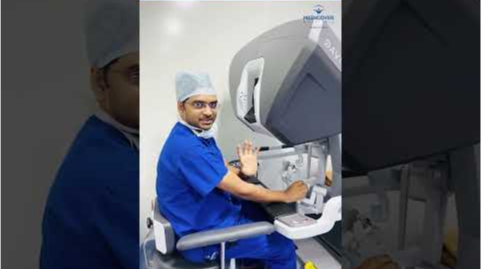
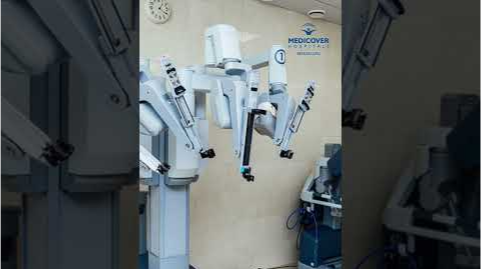
What is Robotic Surgery?
Robotic surgery has emerged as a revolutionary leap in medical science, transforming the way complex procedures are performed with unprecedented precision and innovation. This modern technology combines the skills of skilled surgeons with the precision and dexterity of advanced robotic systems, ushering in a new era of minimally invasive surgeries and enhanced patient outcomes.
Types of Robotic Surgery
Robotic surgery is used across many specialties, offering greater precision, smaller incisions, and faster recovery compared to traditional methods.
Robotic Gynecologic Surgery
- Used for hysterectomy, myomectomy (fibroid removal), endometriosis treatment, and pelvic floor repair.
- Provides precise access to delicate pelvic structures with less pain and faster recovery.
Robotic Urologic Surgery
- Commonly performed for prostatectomy (prostate removal), kidney surgery, and bladder reconstruction.
- Offers improved accuracy in areas with limited space, reducing risk of nerve or tissue damage.
Robotic Cardiac (Heart) Surgery
- Used for valve repair/replacement, coronary artery bypass (minimally invasive), and correcting congenital heart defects.
- Smaller incisions mean quicker recovery compared to open-heart surgery.
Robotic Gastrointestinal (GI) Surgery
- Includes gastric bypass, colectomy, hernia repair, and esophageal surgery.
- Enhances precision in complex abdominal procedures and helps reduce complications.
Robotic Thoracic Surgery
- Performed for lung resections, mediastinal tumor removal, and chest wall procedures.
- Provides better visualization of the chest cavity with smaller incisions.
Robotic Orthopedic Surgery
- Used in knee replacement, hip replacement, and spinal surgeries.
- Ensures accurate alignment of joints and implants for improved long-term outcomes.
Robotic Head and Neck Surgery
- Applied in removal of throat cancers, tongue base surgeries, and reconstructive procedures.
- Minimizes damage to surrounding tissues, preserving speech and swallowing functions.
1-2 Hours
Surgery Duration
General Anesthesia
Anesthesia Used
2-3 Months
Full Recovery and Final Results

When is Robotic Surgery Recommended?
Robotic surgery is a specialized form of minimally invasive surgery that is often suggested for patients who need greater precision and faster recovery compared to traditional surgery. The indications of robotic surgery procedure usually include:
- Prostate Cancer Surgery: Robotic prostatectomy offers precision, sparing nerves and tissues for faster recovery.
- Gynaecological Surgery: Used for hysterectomy, myomectomy, and endometriosis excision, offering enhanced visualization and precision.
- Colorectal Surgery: Robotic systems assist in procedures like colectomy and rectal cancer surgery.
- Cardiac Surgery: Used for mitral valve repair and coronary artery bypass.
- Bariatric Surgery: Robotic-assisted gastric bypass and sleeve gastrectomy help in weight loss.
- Head and Neck Surgery: Used for removing tumors with improved visualization.
- Thoracic Surgery: Assists in lung surgeries and other thoracic procedures.
- Urological Surgery: Helps in kidney surgeries and urinary tract treatments.
- Pediatric Surgery: Useful for delicate procedures in children.
- General Surgery: Applied in hernia repairs and gallbladder removal.
Preparation for Robotic Surgery Procedure
Proper preparation-through medical evaluation, lifestyle adjustments, and following your doctor's instructions-ensures a smoother procedure and faster recovery
Medical Evaluation
- Health Check-up: Includes blood tests, ECG, chest X-ray, and other tests depending on your condition.
- Medical History Review: Inform your doctor about existing health problems such as diabetes, hypertension, or heart/lung issues.
- Imaging Tests: Sometimes scans (CT, MRI, or ultrasound) are done to guide surgical planning.
Medication Management
- Blood Thinners: You may be advised to stop aspirin, warfarin, or other blood-thinning medicines before surgery.
- Other Medicines: Tell your doctor about all prescription, over-the-counter, and herbal supplements you take.
- Pre-surgery Antibiotics: May be given to reduce the risk of infection.
Lifestyle Preparation
- Dietary Restrictions: Avoid food and drink for 6-8 hours before surgery (as advised by your doctor).
- Quit Smoking/Alcohol: Helps improve healing and lowers surgical risks.
- Exercise: Gentle pre-surgery exercises (if allowed) help strengthen the body for faster recovery.
Psychological and Emotional Preparation
- Counseling: Helps reduce anxiety and prepares you mentally for the procedure.
- Family Support: Arrange for a family member or friend to accompany you before and after surgery.
Practical Arrangements
- Hospital Stay: Pack personal essentials, comfortable clothes, and important medical documents.
- Post-Surgery Care: Plan for help at home during the first few days of recovery.
- Home Safety: Prepare your home (remove loose rugs, keep essentials within reach) to make recovery safer and easier.
Steps Involved in Robotic Surgery Procedure
During robotic surgery, the surgeon controls advanced robotic instruments through a console, allowing for highly precise and minimally invasive surgical movements.
- Anesthesia: The patient is given general anesthesia so they remain asleep and pain-free throughout the surgery.
- Small Incisions: The surgeon makes a few tiny incisions (smaller than in traditional open surgery). Special ports are inserted through which robotic instruments and a high-definition camera are placed.
- Robotic System Setup: The robotic arms are connected to the surgical instruments. A 3D high-definition camera provides the surgeon with a magnified, clear view inside the body.
- Surgeon's Control: The surgeon sits at a console near the patient and controls the robotic arms with hand and foot controls. The robotic system translates the surgeon's movements into precise, tremor-free actions inside the patient's body.
- Performing the Surgery: The robotic instruments bend and rotate more than the human wrist, allowing delicate and complex movements. The surgeon carries out the required procedure (such as removal of a tumor, repairing tissues, or reconstructive work) with high accuracy.
- Completion: Once the procedure is finished, the instruments and camera are removed. The small incisions are closed with stitches or surgical glue.
Who Performs Robotic Surgery?
Robotic surgery is performed by highly trained specialists who use advanced robotic systems to enhance precision, reduce invasiveness, and improve patient outcomes.
Recovery after Robotic Surgery
Most patients experience less discomfort, shorter hospital stays, and a quicker return to normal activities compared to traditional surgery.
Immediately After Surgery
- Hospital Stay: Usually shorter than open surgery (1-3 days depending on the procedure).
- Monitoring: Doctors check your vitals, wound sites, and recovery from anesthesia.
- Pain Control: Pain is generally mild to moderate and managed with medications.
First Few Weeks at Home
- Wound Care: Keep incisions clean and dry; follow dressing instructions.
- Activity Level: Gentle walking is encouraged to improve circulation and prevent blood clots. Avoid heavy lifting or strenuous activities.
- Diet: Start with light meals and gradually resume a normal, balanced diet.
- Medications: Take antibiotics, pain relievers, or blood thinners as prescribed.
Rehabilitation and Healing
- Follow-up Visits: Regular check-ups to monitor healing and remove stitches (if not dissolvable).
- Physiotherapy (if advised): Some patients may need exercises to restore mobility and strength.
- Work & Routine: Most patients can return to routine activities and work within 2-4 weeks, depending on the surgery type.
Long-Term Recovery
- Full Healing: Complete recovery may take 4-6 weeks for simple procedures and longer for complex surgeries.
- Lifestyle Adjustments: Eat a nutritious diet, stay active, and quit smoking or alcohol to aid healing.
- Emotional Well-being: It's normal to feel anxious after surgery-support groups or counseling may help.
Lifestyle Changes after Robotic Surgery
Adopting healthy habits-such as eating a balanced diet, staying active, and caring for your surgical wounds-supports healing and long-term wellbeing after robotic surgery.
Physical Activity and Mobility
- Start Slowly: Begin with short walks to improve circulation and prevent blood clots.
- Avoid Strain: Don't lift heavy objects or engage in intense workouts until your doctor clears you.
- Gradual Return to Exercise: Resume normal activities step by step with guidance from your healthcare team.
Diet and Nutrition
- Balanced Diet: Include protein-rich foods, fresh fruits, and vegetables to support healing.
- Hydration: Drink enough water to prevent constipation and aid recovery.
- Limit Processed Foods: Avoid oily, spicy, or junk food that may slow healing.
Wound and Body Care
- Incision Care: Keep surgical wounds clean and dry; follow dressing-change instructions.
- Personal Hygiene: Maintain daily hygiene but avoid soaking in baths or swimming until healed.
- Rest & Sleep: Ensure adequate rest to allow your body to recover fully.
Emotional and Mental Health
- Stay Positive: Anxiety or low mood after surgery is common, practice relaxation techniques.
- Counseling or Support Groups: Talking to others who underwent robotic surgery can boost confidence.
- Set Realistic Goals: Focus on gradual progress instead of rushing recovery.
Long-Term Health Habits
- Quit Smoking & Alcohol: Helps improve healing and lowers future health risks.
- Maintain Healthy Weight: Reduces strain on your body and supports long-term wellness.
- Regular Check-ups: Follow your doctor's advice for follow-up visits and health monitoring.
Benefits of Robotic Surgery
Robotic surgery offers greater precision, smaller incisions, and faster recovery compared to traditional open surgery, helping patients return to normal life sooner.
- Precision and Accuracy: Allows for complicated processes with greater accuracy.
- Minimally Invasive: Small incisions lead to faster recovery and smaller scars.
- Faster Recovery: Less pain and quicker recovery times with shorter hospital stays.
- Reduced Blood Loss: Better control during surgery results in less blood loss.
- Better Visualization: High-definition 3D visualization for surgeons.
- Less Risk of Infection: Smaller incisions reduce infection risk.
- Shorter Hospital Stays: Patients can return home sooner.
- Reduced Trauma: Minimizes trauma to surrounding tissues.
- Precision in Delicate Areas: Robotic arms have finer movement than human hands.
- Faster Return to Normal Activities: Quicker recovery means faster return to daily life.
Risks and Complications of Robotic Surgery
While robotic surgery is generally safe, like any procedure it carries risks such as bleeding, infection, or rare equipment issues, which are carefully managed by the surgical team.
General Surgical Risks
- Bleeding: Though less common than in open surgery, bleeding may still occur.
- Infection: Small risk of wound or internal infection despite smaller incisions.
- Blood Clots (DVT): Reduced mobility after surgery can sometimes lead to clots in the legs.
Anesthesia-Related Risks
- Allergic reactions to anesthesia
- Breathing difficulties during or after the procedure
- Nausea or vomiting post-surgery
Specific Robotic Surgery Complications
- Mechanical Issues: Rare problems with robotic instruments or system malfunction.
- Nerve or Tissue Injury: Instruments may cause accidental damage to nearby tissues, nerves, or blood vessels.
- Conversion to Open Surgery: If complications arise, surgeons may need to switch to traditional open surgery.
Recovery-Related Complications
- Pain or Discomfort: Some patients experience longer-lasting pain at incision sites.
- Hernia at Incision Site: Rarely, weakness in the incision area can cause hernia formation.
- Delayed Healing: Factors like diabetes, smoking, or poor nutrition can slow recovery.
Long-Term Risks
- Scar Tissue Formation (Adhesions): Can cause discomfort or complications later.
- Recurrence of Condition: In some cases, the original problem may return, requiring further treatment.
Disadvantages of Robotic Surgery
- High Cost
- Limited Availability
- Longer Operating Time
- Learning Curve
- Technical Issues
- Not Suitable for All Procedures
Cost of Robotic Surgery in India
The cost of Robotic Surgery in India varies depending on the type of procedure, hospital, city, and patient's condition. On average, it can range from Rs. 1,50,000 to Rs. 5,00,000 or more. While robotic-assisted surgery is generally more expensive than traditional methods due to advanced technology and equipment, it offers benefits like higher precision, smaller incisions, faster recovery, and reduced hospital stay, making it a valuable option for many patients.
 040 68334455
 WhatsApp
 Patient Portal
 Home Care