 Call
Call Patient Reports
Best Hospital for Resuturing for Wound Dehiscence Surgery by Expert General Surgeons
At Medicover Hospitals, our general surgeons, with qualifications like MS and DNB, perform open resuturing for wound dehiscence. This approach ensures precise wound closure. Patients benefit from shorter hospital stays, enhancing recovery and comfort across India.
Expert Surgeons
Yearly Surgeries
Patient Satisfaction
What is Resuturing for Wound Dehiscence?
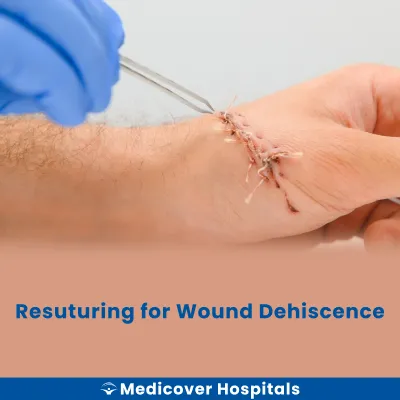
Resuturing for Wound Dehiscence is a surgical procedure to repair a wound that has reopened after initial closure. It involves re-stitching the affected area, which can occur in any part of the body where surgery or injury has taken place. Wound dehiscence (wound reopening) can happen due to various factors like infection, poor blood supply, or excessive tension on the wound edges.
This surgery is essential to prevent further complications. Conditions like infection, obesity, or diabetes can lead to wound dehiscence. If left untreated, it may result in severe infections or delayed healing. Modern surgical approaches, such as minimally invasive techniques, are often used to perform resuturing. These methods aim to reduce recovery time and improve healing outcomes.
Resuturing for Wound Dehiscence Doctors Near You
Find experienced general-surgeons for resuturing of wound dehiscence at Medicover Hospitals across India. Choose your city and book a consultation to address your surgical needs effectively.
Why Choose Medicover Hospitals for Resuturing for Wound Dehiscence?
Get a second opinion from trusted experts and makeconfident, informed decisions.
 Get Second Opinion
Complete Guide To Resuturing For Wound Dehiscence
Everything you need to know about the procedure, preparation, and recovery
Resuturing for Wound Dehiscence Surgery Indications
Resuturing for wound dehiscence is recommended when a previously closed surgical wound reopens. This procedure is crucial when conservative measures fail to promote healing and prevent further complications.
Persistent Wound Gaping
Patients may notice their wound edges separating, leading to visible gaps. Doctors may observe this during a physical examination. If wound closure does not improve with dressings or topical treatments, resuturing is considered.
Excessive Wound Drainage
Patients might experience continuous or increased fluid leakage from the wound. This can be identified by a doctor through examination and wound swab cultures. When drainage persists despite drainage management, surgical intervention is necessary.
Infection Signs
Symptoms like redness, swelling, and warmth around the wound can indicate infection. Laboratory tests may show elevated white blood cell counts. If antibiotics and wound care do not resolve the infection, resuturing may be required.
Severe Pain at Wound Site
Patients often report intense pain that does not subside with medication. On examination, tenderness and inflammation may be evident. When pain management fails, resuturing might be the next step.
Delayed Healing
Some patients experience prolonged healing times, with wounds showing no signs of closure. Doctors may confirm this through regular monitoring. If healing stagnates despite optimal care, resuturing is advised.
How to Prepare for Resuturing for Wound Dehiscence?
Proper preparation is crucial for a successful resuturing procedure. It helps minimise risks and ensures a smooth recovery process.
- Medication Review: Stop NSAIDs, anticoagulants, and herbal supplements as advised by your doctor.
- Fasting: Fast for at least 8 hours before the procedure if general anaesthesia is used.
- Hygiene: Clean the wound area gently with mild soap and water as instructed.
- Clothing: Wear loose, comfortable clothing to avoid pressure on the wound site.
- Transportation: Arrange for someone to drive you home post-procedure.
- Medication List: Bring a list of all medications you are currently taking, including dosages.
- Smoking and Alcohol: Avoid smoking and alcohol for at least 24 hours before the procedure.
- Rest: Ensure a good night's sleep before the day of the surgery.
Resuturing for Wound Dehiscence Surgery (Step-by-Step)
It typically lasts between 30 minutes to 1 hour. It may be done under local, regional, or general anaesthesia, depending on the wound's location and size.
- Preparation: The patient is positioned comfortably. The surgical area is cleaned and sterilised. Anaesthesia is administered to ensure the patient is pain-free.
- Wound Assessment: The surgeon examines the wound to assess the extent of dehiscence. This helps in planning the resuturing process.
- Debridement: Using a curette, the surgeon removes any dead tissue or debris from the wound. This step is crucial for preventing infection and promoting healing.
- Resuturing: The surgeon uses sutures to close the wound. The type of suture material is chosen based on the wound's location and tension. The incision size may vary, but typically it is around 1-2 cm.
- Hemostasis: Bipolar cautery may be used to control bleeding. This ensures a clear surgical field and reduces the risk of postoperative bleeding.
- Closure and Dressing: Once the wound is sutured, a sterile dressing is applied. This protects the wound and aids in healing.
- Recovery: The patient is monitored as the anaesthesia wears off. Instructions on wound care and follow-up visits are provided.
Who Performs Resuturing for Wound Dehiscence Surgery?
This surgery is typically performed by general surgeons. They are trained to handle various types of wounds and ensure proper healing through surgical intervention.
Recovery After Resuturing for Wound Dehiscence Surgery
Recovery after resuturing for wound dehiscence involves careful monitoring and adherence to post-operative instructions. Patients can expect gradual improvement in wound healing and overall comfort.
Day 1-3:
- Rest is crucial. Avoid any strain on the wound area.
- Keep the wound clean and dry. Follow dressing change instructions.
- Consume a soft diet. Include curd, dal-rice, and soups to aid digestion.
Day 4-7:
- Continue with light activities. Avoid lifting heavy objects.
- Monitor the wound for any signs of infection.
- Introduce moong dal and khichdi to your diet for balanced nutrition.
Day 8-14:
- Gradually resume normal activities, but avoid strenuous exercises.
- Attend follow-up appointments to assess healing progress.
- Maintain a balanced diet to support recovery.
Phase 3 (Week 3-4):
- Most patients can return to work or school, depending on the nature of their activities.
- Continue to avoid activities that may stress the wound.
When to Seek Urgent Help:
- Increased redness, swelling, or warmth around the wound.
- Foul-smelling discharge or pus from the wound.
- Fever or chills indicating possible infection.
- Severe pain not relieved by prescribed medication.
Benefits of Resuturing for Wound Dehiscence Surgery
Resuturing is a procedure aimed at closing a wound that has partially or completely reopened. It helps in promoting healing and preventing further complications.
- Enhanced Healing: Resuturing helps in re-approximating the wound edges, promoting better and faster healing.
- Reduced Infection Risk: Proper closure of the wound decreases the chances of infection by limiting exposure to external contaminants.
- Improved Aesthetic Outcome: Resuturing can lead to a more cosmetically pleasing scar by aligning the wound edges neatly.
- Pain Reduction: Proper wound closure can alleviate discomfort and pain associated with wound dehiscence.
Risks and Complications of Resuturing for Wound Dehiscence Surgery
While resuturing can be beneficial, it is important to be aware of potential risks and complications associated with the procedure.
- Common: Infection risk remains, especially if the wound was already contaminated.
- Common: Bleeding may occur during or after the procedure.
- Rare: Anaesthesia-related complications can arise, though they are uncommon.
- Rare: Allergic reactions to suturing materials may occur.
- Rare: Scarring may be more pronounced in some individuals.
Cost of Resuturing for Wound Dehiscence Surgery
The cost of resuturing for wound dehiscence surgery at Medicover Hospitals ranges from Rs.3400 to Rs.8000. The price varies depending on the ward category chosen, such as outpatient, day care, general, and private wards. We offer transparent pricing to ensure clarity for our patients.
Insurance and TPA support is available, with acceptance of CGHS, ESI, and major TPAs. A cashless facility is also offered for added convenience. Please contact the hospital for the latest insurance panel details as these may change periodically.
Frequently Asked Questions
1. How much does Resuturing for Wound Dehiscence surgery cost at Medicover Hospitals?
The cost ranges from Rs. 3400 to Rs. 8000 across Medicover Hospitals, depending on the type of care and accommodation chosen.
2. Is Resuturing for Wound Dehiscence surgery covered under health insurance at Medicover?
Yes, it is often covered by CGHS, ESI, and major TPAs with cashless options. Please contact the hospital for current panel details.
3. Can wound dehiscence lead to infection?
Yes, wound dehiscence can increase the risk of infection. Timely resuturing helps prevent complications and promotes healing.
4. What activities should I avoid post-resuturing?
Avoid heavy lifting and strenuous activities for at least 2 weeks. This helps prevent stress on the healing wound.
5. Will I need a special diet after resuturing?
A balanced diet with curd, dal-rice, and khichdi is recommended. This aids in recovery and supports wound healing.
6. How can I prevent wound dehiscence?
Keep the wound clean and dry, and follow post-operative care instructions. Proper nutrition and avoiding smoking also help.
7. Can wound dehiscence occur again after resuturing?
Yes, recurrence is possible if care instructions are not followed. Regular follow-ups are essential to monitor healing.
8. Can you resuture a dehisced wound?
Yes, a dehisced wound can sometimes be resutured (secondary suturing) if the wound is clean and free of infection. If infection is present, the wound is usually treated first and closed later.
9. What is the fastest way to heal wound dehiscence?
The fastest healing approach includes proper wound cleaning, infection control, regular dressings, good nutrition (especially protein), and following medical advice. In some cases, negative pressure wound therapy or delayed closure may be used.
10. How long does it take for a wound to heal after dehiscence surgery?
Healing time varies, but it typically takes about 2 to 6 weeks, depending on the size of the wound, overall health, and whether additional procedures are required.


