 Call
Call Patient Reports
Resection of Parasagittal Brain Tumor Surgery Hospital by Expert Neurosurgeons
At Medicover Hospitals, our neurosurgeons, with qualifications such as MS, MCh, and DNB, perform open resection of parasagittal brain tumors. This approach allows for precise removal of the tumor. Patients often experience reduced blood loss, contributing to a smoother recovery process.
Expert Surgeons
Yearly Surgeries
Patient Satisfaction
What is Resection of Parasagittal Brain Tumor?
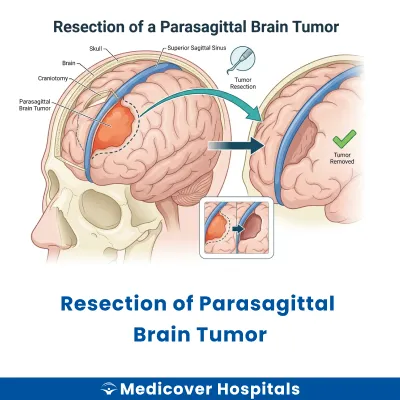
Resection of a parasagittal brain tumour involves surgically removing a tumour located near the sagittal sinus, a large blood vessel in the brain. This procedure focuses on the brain, specifically targeting growths that may affect brain function. The goal is to excise the tumour while preserving surrounding healthy tissue.
This surgery is necessary when a tumour causes symptoms like headaches, seizures, or neurological deficits. If left untreated, the tumour can lead to increased pressure on the brain and further complications. Modern surgical approaches, such as microsurgery and endoscopic techniques, offer precise removal of the tumour. These methods aim to minimise damage to surrounding tissues and improve recovery outcomes.
Resection of Parasagittal Brain Tumor Doctors Near You
Discover skilled neurosurgeons for parasagittal brain tumor resection at Medicover Hospitals across India. Choose your city and book a consultation to explore your treatment options today.
Why Choose Medicover Hospitals for Resection of Parasagittal Brain Tumor?
Get a second opinion from trusted experts and makeconfident, informed decisions.
 Get Second Opinion
Complete Guide To Resection Of Parasagittal Brain Tumor
Everything you need to know about the procedure, preparation, and recovery
Resection of Parasagittal Brain Tumor Surgery Indications
Doctors recommend resection of a parasagittal brain tumor when the tumor causes significant symptoms or complications. This procedure is considered when conservative treatments are ineffective, and the tumor's presence affects the patient's quality of life or neurological function.
Neurological Deficits
Patients may experience weakness, numbness, or difficulty with coordination. Imaging tests like MRI or CT scans reveal tumor-induced pressure on brain structures. Surgery is advised when these deficits worsen despite medication and therapy.
Seizures
Frequent or severe seizures that do not respond to anti-seizure medications may occur. EEG and imaging studies often show abnormal brain activity linked to the tumor. Surgery is considered when seizures disrupt daily life and pose safety risks.
Headaches
Persistent headaches that intensify over time can be a sign. Imaging may show tumor growth causing increased intracranial pressure. Surgery is recommended when pain management fails to provide relief.
Vision Problems
Patients might experience blurred vision or loss of vision. Eye exams and imaging can reveal the tumor pressing on visual pathways. Surgery becomes necessary when vision impairment progresses despite other treatments.
Cognitive Changes
Memory loss, confusion, or personality changes may occur. Neuropsychological assessments and scans can indicate tumor-related brain function alteration. Surgery is pursued when these changes impact daily activities and do not improve with medication.
How to Prepare for Resection of Parasagittal Brain Tumor?
Proper preparation is crucial for the successful resection of a parasagittal brain tumor. It helps reduce risks and ensures a smoother recovery process.
- Medication Review: Stop NSAIDs, anticoagulants, and herbal supplements at least 7 days before surgery, as advised by your doctor.
- Fasting Guidelines: Do not eat or drink anything for at least 8 hours before the procedure to prepare for anaesthesia.
- Pre-Surgery Tests: Complete all required blood tests, imaging, and other evaluations as scheduled by your healthcare provider.
- Personal Items: Wear loose, comfortable clothing on the day of surgery and leave valuables at home.
- Transportation: Arrange for someone to drive you home after the procedure, as you will not be able to drive yourself.
- Medication List: Bring a list of all medications you are currently taking, including dosages, to the hospital.
- Pre-Op Instructions: Follow any specific instructions given by your surgeon, such as using antiseptic wipes or nasal sprays if advised.
- Emotional Preparation: Consider discussing any concerns or questions with your healthcare team to ease anxiety.
Resection of Parasagittal Brain Tumor Surgery (Step-by-Step)
Overview: This surgery is performed by neurosurgeons. It typically lasts between 4 to 6 hours. General anaesthesia is used to ensure the patient is unconscious and pain-free.
- Preparation: The patient is positioned on the operating table. The head is secured to prevent movement. The surgical area is cleaned and sterilised.
- Incision: A 1-2 cm incision is made in the scalp over the tumor site. The surgeon carefully cuts through the skin and underlying tissues to expose the skull.
- Craniectomy: A section of the skull is removed using a surgical drill. This provides access to the brain. The dura mater, the brain's protective covering, is then opened.
- Tumor Resection: The neurosurgeon uses instruments like a bipolar cautery and curette to carefully remove the tumor. The harmonic scalpel may be used to minimise bleeding.
- Closure: After the tumor is removed, the dura mater is closed. The skull piece is replaced and secured. The scalp incision is stitched or stapled shut.
- Recovery: The patient is moved to the recovery room. Vital signs are monitored as they wake from anaesthesia. Pain management and observation continue in the hospital.
Who Performs Resection of Parasagittal Brain Tumor Surgery?
This surgery is performed by neurosurgeons. They are specialists trained in diagnosing and treating conditions affecting the brain and nervous system. Their expertise ensures precise removal of brain tumors while minimising risks.
Recovery After Resection of Parasagittal Brain Tumor Surgery
Recovery from parasagittal brain tumor surgery can vary based on individual health and the complexity of the procedure. Patients should expect a gradual return to normal activities, with close monitoring for any complications.
Day 1-3:
- Hospital stay for monitoring vital signs and neurological function.
- Start with a liquid diet, gradually introducing soft foods like soups and dal-rice.
- Minimal physical activity; rest is crucial.
Day 4-7:
- Transition to a regular diet with easily digestible foods such as khichdi, moong dal, and curd.
- Begin gentle movements; avoid strenuous activities.
- Continue medication as prescribed to manage pain and prevent infection.
Day 8-14:
- Gradual increase in physical activity; short walks are encouraged.
- Return to a normal diet; maintain hydration.
- Attend follow-up appointments for wound check and progress assessment.
Phase 3: Week 3-6
- Resume light household activities; avoid heavy lifting.
- Consider returning to work or school, depending on recovery progress and doctor's advice.
- Continue to avoid activities that may strain the brain.
When to Seek Urgent Help:
- Sudden severe headache or persistent nausea.
- New or worsening neurological symptoms like confusion, weakness, or seizures.
- Signs of infection such as fever or redness at the surgical site.
Benefits of Resection of Parasagittal Brain Tumor Surgery
Resection of a parasagittal brain tumor can offer significant advantages for patients.
- Symptom Relief: Reduces pressure on the brain, alleviating symptoms like headaches and seizures.
- Improved Neurological Function: Can enhance cognitive and motor functions affected by the tumor.
- Reduced Tumor Size: Decreases the tumor burden, potentially improving overall prognosis.
- Potential for Complete Removal: Offers a chance to remove the entire tumor, depending on its location and size.
Risks and Complications of Resection of Parasagittal Brain Tumor Surgery
While the surgery can be beneficial, it carries certain risks and complications.
- Common - Infection: Risk of infection at the surgical site.
- Common - Bleeding: Possibility of bleeding during or after the procedure.
- Rare - Neurological Deficits: Potential for temporary or permanent changes in brain function.
- Rare - Seizures: Increased risk of seizures post-surgery.
- Rare - Swelling: Brain swelling may occur, requiring additional treatment.
- Rare - Stroke: Small risk of stroke during the procedure.
Cost of Resection of Parasagittal Brain Tumor Surgery
The cost of resection of a parasagittal brain tumor surgery varies starting from ₹3,00,000 - ₹7,00,000 based on factors like the surgical approach, duration of hospital stay, room category, required diagnostics, and post-operative care.
At Medicover Hospitals, we ensure transparent pricing for all procedures. We offer support for insurance and TPAs, including CGHS, ESI, and major TPAs, with a cashless facility available for your convenience. Please contact the hospital for the latest insurance panel details as these may change periodically.
Frequently Asked Questions
1. How much does Resection of Parasagittal Brain Tumor surgery cost at Medicover Hospitals?
The cost varies starting from ₹3,00,000 - ₹7,00,000 based on individual cases and hospital location. Please contact Medicover Hospitals for detailed pricing information.
2. Is Resection of Parasagittal Brain Tumor surgery covered under health insurance at Medicover?
This surgery is often covered by CGHS, ESI, and major TPAs. Please contact the hospital for current panel details.
3. Will I experience seizures after the surgery?
Seizures may occur as a complication post-surgery. Your doctor will provide medication to help manage this risk.
4. Can I resume work immediately after surgery?
Returning to work depends on your recovery and job type. Most patients may need several weeks before resuming normal activities.
5. Will I need physical therapy post-surgery?
Physical therapy is often recommended to aid recovery and improve mobility. Your doctor will advise based on your specific condition.
6. What dietary changes are needed post-surgery?
A soft diet including curd, dal-rice, and khichdi is suggested initially. Gradually, you can return to your regular diet as advised by your doctor.
7. Can headaches persist after the surgery?
Headaches are a common post-surgery symptom and may persist for some time. Your healthcare team will guide you on managing these effectively.


