 Call
Call Patient Reports
Best Hospital for Reduction and Fixation of Maxillary Fractures with Advanced Maxillofacial Care
At Medicover Hospitals, our plastic surgeons and maxillofacial specialists, with qualifications like MS, MCh, and DNB, perform reduction and fixation of maxillary fractures using advanced surgical techniques. This procedure helps restore proper alignment and stability of the facial bones, improving facial function, appearance, and recovery outcomes for patients across India.
Expert Surgeons
Yearly Surgeries
Patient Satisfaction
What is Reduction and Fixation of Maxillary Fractures?
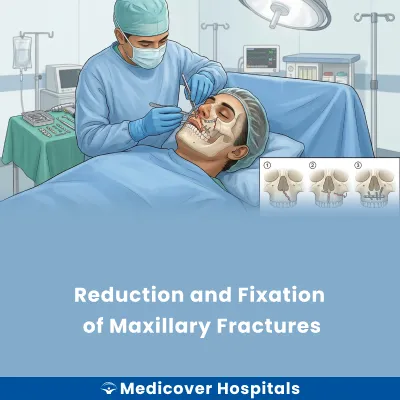
Reduction and fixation of maxillary fractures involve the surgical correction of broken bones in the upper jaw (maxilla). This procedure realigns the bone fragments and stabilizes them using plates, screws, or wires. The maxilla is crucial for facial structure and function, impacting chewing, speaking, and breathing.
This surgery is necessary when the maxilla is fractured due to trauma, such as accidents or falls. If untreated, it can lead to misalignment, difficulty in eating, and facial deformity. Modern surgical approaches include open reduction and internal fixation (ORIF) and minimally invasive techniques. These methods ensure proper healing and restore normal function. Prompt treatment is essential to prevent complications.
Reduction and Fixation of Maxillary Fractures Doctors Near You
Discover Plastic Surgeons for reduction and fixation of maxillary fractures at Medicover Hospitals across India. Choose your city and book a consultation to receive expert care.
Why Choose Medicover Hospitals for Reduction and Fixation of Maxillary Fractures?
Get a second opinion from trusted experts and makeconfident, informed decisions.
 Get Second Opinion
Complete Guide To Reduction And Fixation Of Maxillary Fractures
Everything you need to know about the procedure, preparation, and recovery
Reduction and Fixation of Maxillary Fractures Surgery Indications
Doctors recommend reduction and fixation of maxillary fractures when the facial bones are misaligned due to trauma. This procedure helps restore function and appearance when conservative treatments are insufficient.
Severe Facial Trauma
Patients may experience intense facial pain, swelling, and bruising. On examination, doctors might find misalignment of the upper jaw. Imaging such as CT scans can reveal displaced fractures. Surgery is advised when non-surgical methods fail to realign the bones.
Malocclusion
Patients report difficulty in biting or chewing due to misaligned teeth. Clinical examination shows improper dental occlusion. X-rays may confirm jaw misalignment. Surgery is needed when orthodontic interventions do not correct the bite.
Facial Asymmetry
Noticeable asymmetry in the face can occur, causing distress. Physical examination reveals uneven facial features. Imaging studies show bone displacement. When cosmetic concerns persist despite conservative management, surgery is considered.
Nasal Obstruction
Difficulty breathing through the nose is a common complaint. Examination may reveal nasal deviation or obstruction. CT scans can show fractures affecting the nasal passage. Surgery is recommended when breathing issues do not resolve with other treatments.
Persistent Pain
Chronic facial pain may persist despite medication. Examination might show tenderness over fracture sites. Imaging confirms ongoing bone misalignment. Surgery is indicated when pain management fails to provide relief.
How to Prepare for Reduction and Fixation of Maxillary Fractures?
Proper preparation is crucial for a successful reduction and fixation of maxillary fractures. It helps minimise complications and ensures a smoother recovery process.
- Medication Review: Stop NSAIDs, anticoagulants, and herbal supplements at least 7 days before surgery.
- Fasting Guidelines: Follow a fasting period of 8 hours before the procedure to ensure safety during anaesthesia.
- Nasal Preparation: Use prescribed nasal sprays to reduce inflammation and improve breathing.
- Clothing: Wear loose, comfortable clothing on the day of surgery for ease of movement.
- Transportation: Arrange for someone to drive you home post-surgery as you may feel drowsy.
- Medication List: Bring a list of current medications with dosages for the medical team to review.
- Pre-Surgery Instructions: Follow any specific instructions given by your surgeon to prepare for the procedure.
- Oral Hygiene: Maintain good oral hygiene to reduce the risk of infection post-surgery.
Reduction and Fixation of Maxillary Fractures Surgery (Step-by-Step)
This procedure is performed by oral and maxillofacial surgeons. It typically lasts 2-4 hours and is done under general anaesthesia.
- Preparation: The patient is positioned comfortably, and general anaesthesia is administered to ensure they are asleep and pain-free.
- Incision: A small incision, usually 1-2 cm, is made inside the mouth to access the fracture site. This approach helps avoid visible scars.
- Reduction: The surgeon uses instruments like elevators and forceps to realign the fractured maxillary bones to their normal position.
- Fixation: Titanium plates and screws are used to secure the bones in place. This ensures stability and proper healing.
- Closure: The incision is closed with sutures. These are often absorbable, which means they dissolve over time.
- Recovery: The patient is moved to a recovery area. They are monitored as they wake up from anaesthesia. Pain management and instructions are provided.
Who Performs Reduction and Fixation of Maxillary Fractures Surgery?
This surgery is performed by oral and maxillofacial surgeons. These specialists are trained in diagnosing and treating conditions related to the facial skeleton. They handle complex facial injuries and ensure proper alignment and healing of fractures.
Recovery After Reduction and Fixation of Maxillary Fractures Surgery
Recovery from maxillary fracture surgery involves gradual healing and adjustment. Following your surgeon's instructions is crucial for optimal recovery. Expect some swelling and discomfort initially, which will improve over time.
Day 1-3:
- Rest is essential. Keep your head elevated to reduce swelling.
- Apply cold compresses to minimize swelling and bruising.
- Stick to a liquid diet. Include soups and smoothies.
- Avoid strenuous activities.
Day 4-7:
- Swelling should begin to decrease.
- Introduce soft foods like curd, dal-rice, and khichdi.
- Maintain good oral hygiene with gentle rinsing.
- Continue avoiding physical exertion.
Day 8-14:
- Gradually return to normal activities, but avoid heavy lifting.
- Include more soft foods like moong dal and mashed vegetables.
- Follow up with your surgeon for a check-up.
- Most patients can resume work or school by the end of this period, depending on recovery progress.
Phase 3 (Week 3-6):
- Resume regular diet as tolerated, avoiding hard or crunchy foods.
- Engage in light exercises, but avoid contact sports.
- Continue regular follow-up appointments.
When to Seek Urgent Help:
- Persistent or worsening pain.
- Excessive swelling or redness.
- Fever or signs of infection.
- Difficulty breathing or swallowing.
Benefits of Reduction and Fixation of Maxillary Fractures Surgery
This surgery helps restore the normal structure and function of the maxilla after a fracture.
- Improved Facial Symmetry: Restores the natural alignment of facial bones.
- Enhanced Oral Function: Aids in proper chewing and speaking.
- Pain Relief: Reduces discomfort associated with fractured bones.
- Prevention of Long-term Complications: Minimizes the risk of future dental and facial issues.
Risks and Complications of Reduction and Fixation of Maxillary Fractures Surgery
While generally safe, this surgery carries some risks, as with any surgical procedure.
- Swelling and bruising around the surgical area.
- Temporary numbness or altered sensation in the face.
- Infection at the surgical site.
- Malunion or improper healing of the fracture.
- Damage to adjacent teeth or dental structures.
- Allergic reaction to anaesthesia or materials used.
What is the Cost of Reduction and Fixation of Maxillary Fractures Surgery?
The cost of Reduction and Fixation of Maxillary Fractures Surgery at Medicover Hospitals ranges from Rs. 25,000 to Rs. 2,50,000, depending on the surgical approach, hospital stay, room category, diagnostics, and post-operative care.
We offer transparent pricing with insurance and TPA support, including CGHS, ESI, and major TPAs, with cashless facility available. Please contact the hospital for the latest insurance panel details.
Frequently Asked Questions
1. How much does Reduction and Fixation of Maxillary Fractures surgery cost at Medicover Hospitals?
The cost ranges from Rs. 25,000 to Rs. 2,50,000, depending on individual cases and requirements. Please contact Medicover Hospitals for detailed pricing information.
2. Is Reduction and Fixation of Maxillary Fractures surgery covered under health insurance at Medicover?
Yes, it is generally covered by CGHS, ESI, and major TPAs. Please contact the hospital for current panel details.
3. Will I have difficulty chewing after maxillary fracture surgery?
Chewing may be challenging initially due to swelling and discomfort. Soft foods like dal-rice and khichdi are recommended during recovery.
4. Can I experience numbness after maxillary fracture surgery?
Temporary numbness in the upper jaw and teeth is common post-surgery. This usually resolves as healing progresses over weeks.
5. Will my facial appearance change after maxillary fracture surgery?
Surgery aims to restore facial symmetry and function. Some swelling is expected, but it typically subsides within a few weeks.
6. Do I need to avoid certain activities after maxillary fracture surgery?
Avoid strenuous activities and contact sports for at least 6 weeks. This helps ensure proper healing of the maxillary bones.
7. Can sinus issues occur after maxillary fracture surgery?
Sinus complications are possible but usually temporary. Follow-up care is essential to monitor and manage any sinus-related concerns.


