 Call
Call Patient Reports
Rectovaginal Fistula Repair without Colostomy Surgery Hospital by Expert Gastroenterologists Surgical
At Medicover Hospitals, our skilled surgical gastroenterologists, with qualifications like MS, DNB, and MCh, perform Rectovaginal Fistula Repair using advanced laparoscopic techniques. This approach often results in smaller incisions and a shorter hospital stay, enhancing patient recovery.
Expert Surgeons
Yearly Surgeries
Patient Satisfaction
What is Rectovaginal Fistula Repair Without Colostomy?
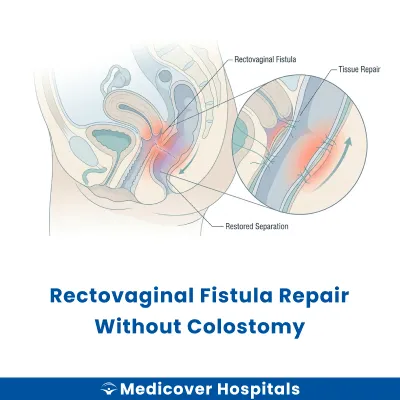
Rectovaginal Fistula Repair without Colostomy is a surgical procedure to correct an abnormal connection between the rectum and vagina. This connection, known as a rectovaginal fistula, can cause issues like infection and discomfort. The surgery aims to close this fistula without the need for a colostomy (a temporary diversion of the bowel through an opening in the abdomen).
This surgery is needed when a rectovaginal fistula causes symptoms such as pain, infection, or leakage of stool through the vagina. Conditions like childbirth injuries, inflammatory bowel disease, or previous surgeries can lead to this issue. If untreated, it can result in chronic infections and significant discomfort. Modern surgical approaches include minimally invasive techniques and tissue grafting, which help in effective repair and faster recovery.
Rectovaginal Fistula Repair Without Colostomy Doctors Near You
Find experienced gastroenterologists-surgical for rectovaginal fistula repair without colostomy at Medicover Hospitals across India. Choose your city and book a consultation to discuss your treatment options.
Why Choose Medicover Hospitals for Rectovaginal Fistula Repair Without Colostomy?
Get a second opinion from trusted experts and makeconfident, informed decisions.
 Get Second Opinion
Complete Guide To Rectovaginal Fistula Repair Without Colostomy
Everything you need to know about the procedure, preparation, and recovery
Rectovaginal Fistula Repair without Colostomy Surgery Indications
Doctors recommend rectovaginal fistula repair without colostomy when non-surgical treatments fail. This procedure is chosen to restore normal function and alleviate symptoms.
Persistent Vaginal Discharge
Patients may experience continuous vaginal discharge that is unusual in colour or odour. On examination, doctors find a fistula connecting the rectum and vagina. When antibiotics and other treatments do not resolve the issue, surgery is considered.
Recurrent Infections
Frequent urinary or vaginal infections can indicate a rectovaginal fistula. Lab tests may show bacteria typically found in the rectum. If infections persist despite medication, surgical repair is necessary.
Fecal Incontinence
Involuntary passage of stool through the vagina is distressing for patients. Physical examination and imaging confirm the presence of a fistula. When lifestyle changes and medications are ineffective, surgery is advised.
Chronic Pain
Patients report ongoing pelvic or vaginal pain. Doctors may find inflammation or irritation around the fistula site. When pain management fails to provide relief, surgical intervention is recommended.
Failed Previous Repairs
Some patients have undergone fistula repair but continue to experience symptoms. Imaging may reveal an incomplete closure of the fistula. In such cases, another surgical attempt is necessary.
How to Prepare for Rectovaginal Fistula Repair without Colostomy?
Proper preparation is crucial for a successful rectovaginal fistula repair without colostomy. It helps reduce complications and ensures a smoother recovery.
- Medication Review: Stop NSAIDs, anticoagulants, and herbal supplements at least 7 days before surgery.
- Fasting Guidelines: Do not eat or drink anything for at least 8 hours before the procedure to ensure safe anaesthesia.
- Bowel Preparation: Follow your doctor's instructions for bowel cleansing to reduce infection risk.
- Pelvic Floor Exercises: Practice exercises as advised by your doctor to strengthen muscles and aid recovery.
- Comfortable Clothing: Wear loose-fitting clothes on the day of surgery for comfort and ease of movement.
- Transportation Arrangement: Arrange for someone to drive you home post-surgery, as you may feel drowsy.
- Medication List: Bring a list of all medications with dosages for the medical team to review.
- Pre-surgery Consultation: Attend all scheduled appointments to discuss any concerns and clarify doubts.
Rectovaginal Fistula Repair without Colostomy Surgery (Step-by-Step)
Overview: This procedure is performed by gastroenterologists-surgical. It typically lasts 2-4 hours and is done under general anaesthesia.
- Preparation: The patient is positioned comfortably on the operating table. General anaesthesia is administered to ensure the patient is asleep and pain-free.
- Incision: A small incision, usually 1-2 cm, is made near the fistula site. This allows access to the affected area.
- Fistula Identification: The surgeon uses a laparoscope to locate the fistula. A laparoscope is a thin tube with a camera that provides a clear view of the surgical area.
- Tissue Dissection: The surgeon carefully separates the tissues around the fistula using instruments like a harmonic scalpel. This tool helps in precise cutting and reduces bleeding.
- Fistula Closure: The fistula is closed using sutures. The surgeon ensures that the rectal and vaginal walls are securely sealed to prevent recurrence.
- Incision Closure: The incision is closed with sutures or surgical glue. The area is cleaned and dressed to promote healing.
- Recovery: The patient is moved to the recovery room. They are monitored as they wake up from anaesthesia. Pain management and post-operative care instructions are provided.
Who Performs Rectovaginal Fistula Repair without Colostomy Surgery?
This surgery is performed by gastroenterologists-surgical. These specialists have expertise in treating conditions affecting the gastrointestinal tract and related structures. They are skilled in minimally invasive techniques and complex surgical procedures.
Recovery After Rectovaginal Fistula Repair without Colostomy Surgery
Recovering from rectovaginal fistula repair without colostomy involves gradual healing and care. Patients can expect to resume normal activities over time, with specific dietary and activity guidelines to follow.
Day 1-3:
- Rest is crucial. Avoid strenuous activities.
- Consume soft, easily digestible foods like curd, dal-rice, and soups.
- Stay hydrated with water and herbal teas.
Day 4-7:
- Begin gentle walking to improve circulation.
- Continue with a soft diet, including khichdi and moong dal.
- Monitor for any signs of infection or unusual symptoms.
Day 8-14:
- Gradually increase activity levels, but avoid heavy lifting.
- Introduce more variety in diet, maintaining a balance of nutrients.
- Most patients can return to work or school, depending on comfort and doctor's advice.
Phase 3 (Week 3-4):
- Resume normal activities, but listen to your body's signals.
- Continue a balanced diet with fibre-rich foods to prevent constipation.
- Regular follow-up appointments to ensure proper healing.
When to Seek Urgent Help
- Fever or chills indicating possible infection.
- Severe pain unrelieved by prescribed medication.
- Unusual discharge or bleeding from the surgical site.
- Difficulty in passing urine or stools.
Benefits of Rectovaginal Fistula Repair without Colostomy Surgery
This procedure aims to repair the fistula while avoiding the need for a colostomy, offering several advantages.
- Natural Bowel Function: Preserves normal bowel function without the need for an external bag.
- Faster Recovery: Typically involves a shorter recovery period compared to procedures with colostomy.
- Reduced Psychological Impact: Avoids the emotional and lifestyle adjustments associated with a colostomy.
- Improved Quality of Life: Enhances daily living by resolving symptoms without additional interventions.
Risks and Complications of Rectovaginal Fistula Repair without Colostomy Surgery
While generally safe, this surgery carries certain risks that patients should consider.
- Common: Infection at the surgical site can occur, requiring medical attention.
- Common: Bleeding during or after the procedure may need intervention.
- Rare: Recurrence of the fistula might necessitate further treatment.
- Rare: Damage to surrounding organs or tissues could happen, affecting function.
- Rare: Anesthesia-related complications, though uncommon, can arise.
Cost of Rectovaginal Fistula Repair without Colostomy Surgery
The cost of rectovaginal fistula repair without colostomy surgery can vary based on several factors starting from ₹1,50,000 - ₹4,00,000 . These include the surgical approach, duration of hospital stay, room category, required diagnostics, and post-operative care.
At Medicover Hospitals, we offer transparent pricing to ensure clarity. We support insurance and TPA services, including CGHS, ESI, and major TPAs, with a cashless facility available for your convenience. Please contact the hospital for the latest insurance panel details as these may change periodically.
Frequently Asked Questions
1. How much does Rectovaginal Fistula Repair without Colostomy surgery cost at Medicover Hospitals?
The cost for Rectovaginal Fistula Repair without Colostomy surgery varies starting from ₹1,50,000 - ₹4,00,000 . Please contact Medicover Hospitals for detailed pricing information.
2. Is Rectovaginal Fistula Repair without Colostomy surgery covered under health insurance at Medicover?
This surgery may be covered by CGHS, ESI, and major TPAs. Please contact the hospital for current panel details.
3. Will I need a special diet after the surgery?
Post-surgery, a soft diet like curd, dal-rice, and khichdi is recommended. This helps in easing digestion and promotes healing.
4. Can I experience bowel issues post-surgery?
Some patients may experience temporary bowel irregularities. It's important to follow medical advice to manage these effectively.
5. Will I have pain during recovery?
Mild to moderate pain is common after the surgery. Pain management will be part of your post-operative care plan.
6. How soon can I return to normal activities?
Most patients can resume light activities within 2 weeks. Strenuous activities should be avoided for at least 4-6 weeks.
7. Is there a risk of fistula recurrence?
There is a small risk of recurrence. Regular follow-ups and adherence to post-operative care can help minimize this risk.


