 Call
Call Patient Reports
Pylorus Preserving Pancreaticoduodenectomy Surgery by Expert Gastroenterologists Surgical
Pylorus preserving pancreaticoduodenectomy at Medicover Hospitals is performed using advanced laparoscopic techniques. Our team of Consultant Surgical Gastroenterologists, with qualifications like MS, DNB, and MCh, ensures precise surgical care. This approach often results in shorter hospital stays and reduced blood loss.
Expert Surgeons
Yearly Surgeries
Patient Satisfaction
What is Pylorus Preserving Pancreaticoduodenectomy?
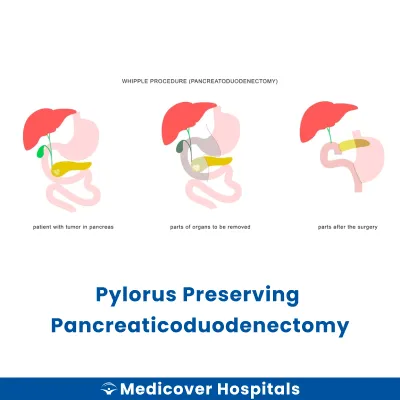
Pylorus preserving pancreaticoduodenectomy is a surgical procedure. It involves the removal of the head of the pancreas while keeping the pylorus (the opening from the stomach into the duodenum) intact. This surgery also involves the removal of the duodenum, gallbladder, and part of the bile duct. The aim is to treat diseases without affecting stomach function.
This surgery is often needed for pancreatic cancer, bile duct cancer, or benign tumours. If untreated, these conditions can lead to severe complications or spread of cancer. Modern surgical approaches include open surgery, laparoscopic surgery, and robotic-assisted surgery. These techniques aim to reduce recovery time and improve outcomes. Please consult with a healthcare provider for detailed information.
Pylorus Preserving Pancreaticoduodenectomy Doctors Near You
Find experienced gastroenterologists-surgical for pylorus preserving pancreaticoduodenectomy at Medicover Hospitals across India. Choose your city and book a consultation to discuss your treatment options.
Why Choose Medicover Hospitals for Pylorus Preserving Pancreaticoduodenectomy?
Get a second opinion from trusted experts and makeconfident, informed decisions.
 Get Second Opinion
Complete Guide To Pylorus Preserving Pancreaticoduodenectomy
Everything you need to know about the procedure, preparation, and recovery
Pylorus preserving pancreaticoduodenectomy Surgery Indications
Pylorus preserving pancreaticoduodenectomy is recommended for specific pancreatic and periampullary conditions. It is often considered when less invasive treatments are ineffective or when malignancy is suspected.
Pancreatic Head Tumours
Patients may experience jaundice, weight loss, and abdominal pain. Imaging may reveal a mass in the pancreatic head. When biopsy confirms malignancy and symptoms persist despite other treatments, surgery is advised.
Chronic Pancreatitis
Severe abdominal pain and digestive issues are common. Imaging shows inflammation and ductal changes. Surgery is considered when pain is unmanageable with medication and lifestyle changes.
Duodenal Tumours
Symptoms include nausea, vomiting, and gastrointestinal bleeding. Endoscopy and imaging may show a tumour in the duodenum. Surgery is needed if the tumour is malignant or causes obstruction.
Distal Bile Duct Cancer
Jaundice, dark urine, and pale stools are typical symptoms. Imaging and biopsy confirm cancer in the bile duct. Surgery is recommended when the tumour is resectable and other treatments fail.
Periampullary Cancer
Patients often have jaundice and digestive problems. Imaging and biopsy detect cancer near the ampulla of Vater. Surgery is considered when the tumour is localized and other treatments are insufficient.
How to Prepare for Pylorus Preserving Pancreaticoduodenectomy?
Proper preparation is crucial for a smooth pylorus preserving pancreaticoduodenectomy. It helps reduce complications and ensures a quicker recovery.
- Medication Review: Stop NSAIDs, anticoagulants, and herbal supplements at least a week before surgery.
- Fasting Guidelines: Fast for at least 8 hours before the procedure to prepare for anaesthesia.
- Bowel Preparation: Follow any specific bowel prep instructions given by your surgeon to clear the digestive tract.
- Pre-Surgery Tests: Complete all required blood tests, imaging, and other evaluations as instructed by your healthcare provider.
- Comfortable Clothing: Wear loose, comfortable clothing on the day of surgery to ease movement post-operation.
- Transportation Arrangements: Arrange for someone to drive you home after the procedure as you will not be able to drive yourself.
- Medication List: Bring a list of your current medications, including dosages, to the hospital for reference.
- Hospital Stay Preparation: Pack essentials like toiletries and personal items for your hospital stay.
Pylorus preserving pancreaticoduodenectomy Surgery (Step-by-Step)
Overview: This procedure is performed by surgical gastroenterologists. It typically lasts 5-7 hours and is done under general anaesthesia.
- Preparation: The patient is placed under general anaesthesia. Vital signs are monitored. The surgical area is sterilised.
- Incision: A midline incision of about 20-25 cm is made in the abdomen to access the pancreas and surrounding structures.
- Resection: The surgeon uses instruments like a harmonic scalpel and bipolar cautery to carefully remove the head of the pancreas, part of the bile duct, gallbladder, and duodenum while preserving the pylorus.
- Reconstruction: The surgeon reconnects the remaining pancreas, bile duct, and stomach to the small intestine. This ensures normal digestion. The pylorus is preserved to maintain gastric function.
- Closure: The incision is closed with sutures or staples. A drain may be placed to remove excess fluids.
- Recovery: The patient is moved to the recovery room. Monitored for vital signs and pain management. Initial recovery involves a hospital stay of about 7-10 days.
Who Performs Pylorus preserving pancreaticoduodenectomy Surgery?
This surgery is performed by surgical gastroenterologists. They specialise in procedures involving the digestive system. Their expertise is crucial for complex surgeries like this, ensuring the procedure is done safely and effectively.
Recovery After Pylorus Preserving Pancreaticoduodenectomy Surgery
Recovery from a pylorus preserving pancreaticoduodenectomy is a gradual process. Patients can expect to stay in the hospital for about a week. Full recovery may take several weeks, requiring patience and adherence to medical advice.
Day 1-3:
- Initial recovery in the hospital. Monitoring of vital signs and pain management.
- Introduction to clear liquids like water and clear soups.
Day 4-7:
- Gradual introduction of soft, easily digestible foods such as curd, dal-rice, and moong dal.
- Encouraged to walk short distances to promote circulation.
Week 2-4:
- Transition to a normal diet, focusing on small, frequent meals. Include foods like khichdi and soft vegetables.
- Continue gentle activities; avoid heavy lifting.
- Consult with a dietitian for personalized dietary advice.
Week 5-8:
- Increase activity levels gradually. Light exercises may be introduced.
- Most patients can return to work or school, depending on the nature of their activities.
- Regular follow-up appointments to monitor recovery progress.
When to Seek Urgent Help:
- Severe abdominal pain or swelling.
- Persistent nausea or vomiting.
- Signs of infection such as fever or redness at the incision site.
- Jaundice or yellowing of the skin and eyes.
Benefits of Pylorus preserving pancreaticoduodenectomy Surgery
Pylorus preserving pancreaticoduodenectomy is a surgical procedure aimed at treating pancreatic and periampullary diseases while maintaining the stomach's function. This approach offers several benefits.
- Preservation of Stomach Function: Maintains normal gastric emptying by preserving the pylorus.
- Improved Nutritional Status: Helps in better nutrient absorption and digestion compared to traditional methods.
- Reduced Postoperative Complications: Lower risk of dumping syndrome and other gastric complications.
- Enhanced Quality of Life: Patients often experience better postoperative quality of life due to preserved digestive function.
Risks and Complications of Pylorus preserving pancreaticoduodenectomy Surgery
While this surgery offers many benefits, it also carries certain risks and complications. It is important to be aware of these potential issues.
Common Risks
- Delayed gastric emptying, which may require dietary adjustments or medications.
- Infection at the surgical site, necessitating careful postoperative care.
Rare Risks
- Pancreatic fistula, which may lead to leakage of pancreatic fluids.
- Bile duct obstruction, potentially requiring further intervention.
- Bleeding, which may need additional surgical attention.
Cost of Pylorus preserving pancreaticoduodenectomy Surgery
The cost of Pylorus preserving pancreaticoduodenectomy surgery can vary from ₹4,00,000 to over ₹12,00,000, based on factors such as the surgical approach, duration of hospital stay, room category, required diagnostics, and post-operative care.
Medicover Hospitals offers transparent pricing with support for insurance and TPA services. We accept CGHS, ESI, and major TPAs, providing a cashless facility for your convenience. Please contact the hospital for the latest insurance panel details as these may change periodically.
Frequently Asked Questions
1. How much does Pylorus preserving pancreaticoduodenectomy surgery cost at Medicover Hospitals?
The cost of Pylorus preserving pancreaticoduodenectomy surgery varies from ₹4,00,000 to over ₹12,00,
2. Please contact Medicover Hospitals for accurate pricing information. 2. Is Pylorus preserving pancreaticoduodenectomy surgery covered under health insurance at Medicover?
Insurance coverage is available through CGHS, ESI, and major TPAs. Please contact the hospital for current panel details.
3. Will I need enzyme supplements after surgery?
Yes, you may need pancreatic enzyme supplements. This helps in digesting food properly after the surgery.
4. Can I experience diabetes after this surgery?
There is a risk of developing diabetes post-surgery. This occurs due to changes in insulin production.
5. How soon can I eat solid foods post-surgery?
You can start eating soft foods like khichdi or dal-rice after a few weeks. Follow your doctor's advice for a gradual diet progression.
6. Will I experience weight loss after surgery?
Weight loss is common due to changes in digestion. Maintaining a balanced diet is crucial for recovery.
7. What are the risks of bile duct leakage?
Bile duct leakage is a potential complication. It may require additional treatment to manage effectively.


