 Call
Call Patient Reports
Pulmonary Thrombo Embolectomy Surgery Hospital with Advanced Care
At Medicover Hospitals, Pulmonary Thrombo Embolectomy is performed using an open surgical approach. Our team of surgeons, with qualifications like MS, MCh, and DNB, ensure precise treatment. This procedure often results in reduced blood loss, contributing to a quicker recovery.
Expert Surgeons
Yearly Surgeries
Patient Satisfaction
What is Pulmonary Thrombo Embolectomy?
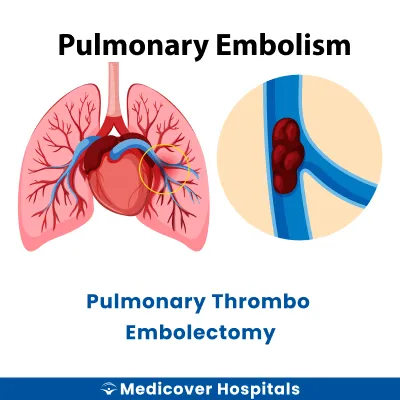
Pulmonary Thrombo Embolectomy is a surgical procedure to remove a blood clot from the pulmonary artery (the vessel carrying blood from the heart to the lungs). This artery is crucial for oxygenating blood. When a clot blocks it, it can cause serious health issues. The procedure helps restore normal blood flow and improve oxygen levels in the body.
This surgery is needed when a patient has a large or life-threatening pulmonary embolism (a blockage in the lung artery). Conditions like deep vein thrombosis can lead to such blockages. If untreated, it can result in heart failure or even death. Modern surgical approaches include open surgery and minimally invasive techniques like catheter-directed embolectomy. These methods aim to safely remove the clot and restore circulation.
Pulmonary Thrombo Embolectomy Doctors Near You
Discover expert ctvs-cardiothoracic-and-vascular-surgery specialists at Medicover Hospitals across India. Choose your city and book a consultation to address your pulmonary thrombo embolectomy needs today.
Why Choose Medicover Hospitals for Pulmonary Thrombo Embolectomy?
Get a second opinion from trusted experts and makeconfident, informed decisions.
 Get Second Opinion
Complete Guide To Pulmonary Thrombo Embolectomy
Everything you need to know about the procedure, preparation, and recovery
Pulmonary Thrombo Embolectomy Surgery Indications
Pulmonary thrombo embolectomy is recommended when blood clots in the lungs cause severe symptoms or complications. Doctors consider this surgery when other treatments do not improve the patient's condition.
Massive Pulmonary Embolism
Patients may experience sudden shortness of breath, chest pain, and fainting. Imaging tests like CT scans show large clots blocking major pulmonary arteries. When thrombolytic therapy fails, surgery is considered.
Submassive Pulmonary Embolism with Hemodynamic Instability
Symptoms include moderate to severe breathlessness and low blood pressure. Echocardiograms may reveal right heart strain. If anticoagulation and thrombolytics are ineffective, surgery is needed.
Recurrent Pulmonary Embolism
Patients suffer repeated episodes of chest pain and breathing difficulty. Imaging shows recurring clots despite anticoagulation therapy. Surgery is an option when clots persist despite medication.
Right Ventricular Dysfunction
Symptoms include fatigue and swelling in the legs. Tests show right ventricular enlargement and dysfunction due to clots. Surgery is considered when medical management does not reverse heart strain.
Failed Thrombolysis
Patients may continue to experience severe symptoms like breathlessness and chest discomfort. Imaging confirms persistent clots after thrombolytic treatment. Surgery is the next step when clot dissolution is incomplete.
How to Prepare for Pulmonary Thrombo Embolectomy?
Proper preparation is crucial for a successful pulmonary thrombo embolectomy. It helps minimise risks and ensures a smoother recovery process.
- Medication Review: Stop NSAIDs, anticoagulants, and herbal supplements as advised by your doctor.
- Fasting: Do not eat or drink anything for at least 8 hours before the surgery to prepare for anaesthesia.
- Health Assessment: Complete any pre-surgery tests like blood work or imaging as instructed by your healthcare provider.
- Clothing: Wear loose, comfortable clothing on the day of the surgery for ease of movement post-procedure.
- Transportation: Arrange for someone to drive you home after the surgery, as you may feel drowsy from anaesthesia.
- Medication List: Bring a list of your current medications, including dosages, to share with the medical team.
- Smoking Cessation: Avoid smoking for a few weeks before the surgery to improve lung function and healing.
- Hydration: Stay well-hydrated in the days leading up to the surgery, unless otherwise directed.
Pulmonary Thrombo Embolectomy Surgery (Step-by-Step)
Performed by CTVS (Cardiothoracic and Vascular Surgery) specialists, this procedure typically lasts 3-5 hours and is done under general anaesthesia.
- Preparation: The patient is placed under general anaesthesia. Vital signs are monitored closely. The surgical area is sterilised.
- Incision: A midline incision, approximately 20-25 cm, is made on the chest to access the heart and lungs.
- Accessing the Pulmonary Artery: The surgeon carefully opens the chest cavity. A retractor is used to hold the ribs apart, providing a clear view of the heart and pulmonary artery.
- Thrombus Removal: Using surgical instruments like a curette and forceps, the surgeon removes the blood clot from the pulmonary artery. Precision is crucial to avoid damage to the artery walls.
- Closure: After ensuring the artery is clear, the incision is closed with sutures. The chest is carefully sealed to prevent infection.
- Recovery: The patient is moved to the ICU for monitoring. Pain management and breathing support are provided as needed.
Who Performs Pulmonary Thrombo Embolectomy Surgery?
This surgery is performed by cardiothoracic and vascular surgeons. They have specialised training in procedures involving the heart, lungs, and blood vessels. Their expertise ensures the safe removal of clots from the pulmonary artery.
Recovery After Pulmonary Thrombo Embolectomy Surgery
Recovery from Pulmonary Thrombo Embolectomy surgery involves careful monitoring and gradual return to normal activities. Patients can expect a hospital stay followed by a period of home recovery. Adhering to medical advice is crucial for a smooth recovery.
Day 1-3:
- Initial recovery in the hospital. Vital signs and oxygen levels are closely monitored.
- Begin with a liquid diet, gradually introducing soft foods like soups and khichdi.
- Minimal physical activity. Focus on breathing exercises as advised by the healthcare team.
Day 4-7:
- Transition to a semi-solid diet including curd, dal-rice, and moong dal.
- Increase mobility with short walks around the room.
- Continue breathing exercises to improve lung function.
Week 2:
- Introduce more variety in diet, ensuring it is nutritious and easy to digest.
- Gradually increase activity levels, avoiding strenuous tasks.
- Most patients can resume light work or school activities, depending on individual recovery.
Phase 3-6 Weeks:
- Focus on balanced meals with adequate protein and fibre.
- Regular follow-up appointments to monitor recovery progress.
- Resume normal activities as advised by the doctor, avoiding heavy lifting.
When to Seek Urgent Help
Contact your healthcare provider if you experience:
- Sudden shortness of breath or chest pain.
- Severe swelling or pain in the legs.
- Persistent fever or signs of infection at the incision site.
Benefits of Pulmonary Thrombo Embolectomy Surgery
Pulmonary thrombo embolectomy is a surgical procedure aimed at removing blood clots from the lungs. It can offer significant benefits for patients with severe pulmonary embolism.
- Improved Oxygenation: Restores normal blood flow, enhancing oxygen levels in the body.
- Symptom Relief: Alleviates symptoms like shortness of breath and chest pain.
- Prevents Complications: Reduces the risk of further cardiovascular complications.
- Enhanced Quality of Life: Allows patients to return to daily activities with ease.
Risks and Complications of Pulmonary Thrombo Embolectomy Surgery
While the procedure can be life-saving, it carries potential risks. Patients should be aware of these before undergoing surgery.
- Common: Bleeding at the surgical site.
- Common: Infection risk post-surgery.
- Rare: Damage to lung tissue.
- Rare: Heart rhythm disturbances.
- Rare: Blood clots forming again.
- Rare: Adverse reactions to anaesthesia.
Cost of Pulmonary Thrombo Embolectomy Surgery
The cost of Pulmonary Thrombo Embolectomy Surgery can vary Rs.100000 to Rs.350000 based on several factors. These include the surgical approach, duration of hospital stay, room category, required diagnostics, and post-operative care.
At Medicover Hospitals, we offer transparent pricing for all procedures. We support insurance and TPA services, including CGHS, ESI, and major TPAs, with a cashless facility available for your convenience. Please contact the hospital for the latest insurance panel details as these may change periodically.
Frequently Asked Questions
1. How much does Pulmonary Thrombo Embolectomy surgery cost at Medicover Hospitals?
The cost of Pulmonary Thrombo Embolectomy surgery varies Rs.100000 to Rs.350000 based on individual cases. Please contact Medicover Hospitals for detailed pricing information.
2. Is Pulmonary Thrombo Embolectomy surgery covered under health insurance at Medicover?
Pulmonary Thrombo Embolectomy surgery may be covered by CGHS, ESI, and major TPAs. Please contact the hospital for current panel details.
3. Can I experience shortness of breath post-surgery?
Some patients may experience shortness of breath temporarily after Pulmonary Thrombo Embolectomy. It usually improves with recovery and rehabilitation.
4. Will I need oxygen support after the surgery?
Oxygen support might be necessary initially after Pulmonary Thrombo Embolectomy. It depends on individual recovery and lung function improvement.
5. Are there dietary restrictions after the surgery?
Post-surgery, a light diet including curd, dal-rice, and khichdi is recommended. Avoid heavy or spicy foods to aid recovery.
6. How soon can I return to normal activities?
Most patients can gradually resume normal activities after a few weeks. Consult your doctor for personalized advice based on your recovery.
7. What are the risks of blood clots after surgery?
There is a risk of blood clots forming again after Pulmonary Thrombo Embolectomy. Regular follow-ups and medication help manage this risk effectively.


