 Call
Call Patient Reports
Proximal Splenorenal Shunt Surgery Hospital with Advanced Surgical Care
At Medicover Hospitals, our team of consultant surgical gastroenterologists, with qualifications like MS, DNB, and MCh, perform the Proximal Splenorenal Shunt using the open surgical approach. This procedure helps in reducing portal hypertension. Patients benefit from reduced blood loss and improved recovery times.
Expert Surgeons
Yearly Surgeries
Patient Satisfaction
What is Proximal Splenorenal Shunt?
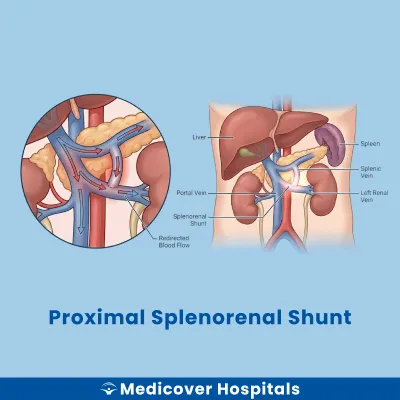
The Proximal Splenorenal Shunt is a surgical procedure that connects the splenic vein (a blood vessel from the spleen) to the left renal vein (a blood vessel from the kidney). This procedure helps redirect blood flow. It is used to manage portal hypertension, which is high blood pressure in the portal vein (the main vein leading to the liver).
This surgery is often needed for patients with portal hypertension due to liver cirrhosis or other liver diseases. If untreated, portal hypertension can lead to serious complications like variceal bleeding. Modern surgical approaches for Proximal Splenorenal Shunt include open surgery and minimally invasive techniques like laparoscopy. These methods aim to reduce recovery time and improve outcomes. Please consult with a healthcare provider for detailed information.
Proximal Splenorenal Shunt Doctors Near You
Discover skilled gastroenterologists-surgical for proximal splenorenal shunt procedures at Medicover Hospitals across India. Choose your city and book a consultation to explore your treatment options today.
Why Choose Medicover Hospitals for Proximal Splenorenal Shunt?
Get a second opinion from trusted experts and makeconfident, informed decisions.
 Get Second Opinion
Complete Guide To Proximal Splenorenal Shunt
Everything you need to know about the procedure, preparation, and recovery
Proximal Splenorenal Shunt Surgery Indications
Doctors recommend proximal splenorenal shunt surgery when patients have complications from portal hypertension that do not respond to other treatments. This procedure helps reduce pressure in the portal vein, alleviating symptoms and preventing further complications.
Recurrent Variceal Bleeding
Patients may experience frequent episodes of vomiting blood or black stools. Endoscopy often reveals enlarged veins (varices) in the oesophagus or stomach. When medications and endoscopic treatments fail to control bleeding, surgery is considered.
Portal Hypertensive Gastropathy
Symptoms include chronic anaemia and fatigue due to slow, continuous bleeding in the stomach lining. Endoscopy shows a mosaic-like pattern on the stomach surface. Surgery is recommended when medical management does not improve the condition.
Hypersplenism
Patients may suffer from fatigue, easy bruising, or frequent infections due to low blood cell counts. An enlarged spleen is detected through imaging studies. When splenomegaly leads to severe blood cell reduction, surgical intervention is necessary.
Ascites
Persistent abdominal swelling and discomfort occur due to fluid accumulation. Ultrasound or CT scans confirm fluid presence. If diuretics and dietary changes do not relieve symptoms, surgery may be advised.
Failure of Non-Surgical Treatments
Patients who do not respond to beta-blockers or endoscopic variceal ligation may continue to experience complications. Persistent portal hypertension signs, despite optimal medical therapy, prompt consideration for surgical options.
How to Prepare for Proximal Splenorenal Shunt?
Proper preparation is crucial for a successful Proximal Splenorenal Shunt surgery. It helps reduce risks and ensures a smoother recovery process.
- Medication Review: Stop NSAIDs, anticoagulants, and herbal supplements as advised by your doctor.
- Fasting Guidelines: Fast for at least 8 hours before the surgery to ensure anaesthesia safety.
- Medical Tests: Complete all required blood tests and imaging studies as scheduled.
- Pre-Surgery Consultation: Discuss your medical history and current medications with your healthcare team.
- Clothing: Wear loose, comfortable clothing on the day of the surgery for ease of movement.
- Transportation: Arrange for someone to drive you home post-surgery, as you may feel drowsy.
- Medication List: Bring a list of all medications with dosages for hospital records.
- Hydration: Stay well-hydrated in the days leading up to the surgery, unless advised otherwise.
Proximal Splenorenal Shunt Surgery (Step-by-Step)
This procedure is performed by advanced gastrointestinal surgery specialists. It typically lasts 3-4 hours and requires general anaesthesia.
- Preparation: The patient is placed under general anaesthesia. Vital signs are monitored closely. The surgical area is cleaned and sterilised.
- Incision: A midline incision of about 15-20 cm is made in the abdomen. This provides access to the spleen and kidney.
- Mobilisation of Spleen: The spleen is carefully mobilised using instruments like the harmonic scalpel. This helps in accessing the splenic vein.
- Isolation of Veins: The splenic vein and the left renal vein are identified and isolated. Bipolar cautery is used to control bleeding during this step.
- Shunt Creation: A connection is made between the splenic vein and the left renal vein. This helps in reducing portal hypertension.
- Closure: The incision is closed in layers using sutures. The patient is then moved to recovery for monitoring.
Who Performs Proximal Splenorenal Shunt Surgery?
This surgery is performed by experienced gastroenterologists-surgical. They specialise in procedures involving the digestive system and related organs. Their expertise ensures the procedure is conducted with precision. Please contact the hospital for current details as insurance panels may change.
Recovery After Proximal Splenorenal Shunt Surgery
Recovery from Proximal Splenorenal Shunt Surgery requires careful attention to diet, activity, and monitoring for complications. Patients can expect a gradual return to normal activities over several weeks.
Day 1-3:
- Hospital stay is common. Medical staff will monitor vital signs and manage pain.
- Start with clear liquids. Gradually introduce soft foods like curd, dal-rice, and soups.
Day 4-7:
- Continue with a soft diet. Include khichdi and moong dal for easy digestion.
- Begin gentle walking to promote circulation. Avoid strenuous activities.
Week 2-4:
- Slowly reintroduce regular foods. Maintain a balanced diet with plenty of fluids.
- Increase activity levels gradually. Light household tasks are permissible.
- Most patients can return to work or school after 3-4 weeks, depending on recovery.
Month 2 and Beyond:
- Resume normal diet. Continue to avoid heavy lifting and intense exercise until cleared by a doctor.
- Regular follow-ups are important to monitor recovery and shunt function.
When to Seek Urgent Help:
- Severe abdominal pain or swelling.
- Fever or signs of infection at the incision site.
- Sudden changes in bowel habits or jaundice.
- Unexplained fatigue or dizziness.
Benefits of Proximal Splenorenal Shunt Surgery
Proximal Splenorenal Shunt Surgery is a procedure aimed at managing portal hypertension. It offers several benefits for patients.
- Reduced Portal Pressure: This surgery helps lower the pressure in the portal vein, reducing the risk of variceal bleeding.
- Improved Blood Flow: It facilitates better blood circulation between the spleen and the kidneys.
- Symptom Relief: Patients often experience relief from symptoms related to portal hypertension.
- Long-term Solution: Provides a durable solution for managing complications of portal hypertension.
Risks and Complications of Proximal Splenorenal Shunt Surgery
While the surgery can be beneficial, it carries certain risks and complications. Patients should be aware of these potential issues.
- Risk of infection at the surgical site.
- Bleeding during or after the procedure.
- Shunt thrombosis, leading to blockage of the shunt.
- Hepatic encephalopathy, affecting brain function.
- Kidney dysfunction due to altered blood flow.
- Postoperative ascites, accumulation of fluid in the abdomen.
Cost of Proximal Splenorenal Shunt Surgery
The cost of Proximal Splenorenal Shunt Surgery can vary from Rs. 1,33,000 to Rs. 2,14,000, depending on factors such as the surgical approach, duration of hospital stay, room category, required diagnostics, and post-operative care.
At Medicover Hospitals, we offer transparent pricing and support for insurance and TPA services, including CGHS, ESI, and major TPAs. A cashless facility is also available for your convenience. Please contact the hospital for the latest insurance panel details, as these may change periodically.
Frequently Asked Questions
1. How much does Proximal Splenorenal Shunt surgery cost at Medicover Hospitals?
The cost of Proximal Splenorenal Shunt surgery typically ranges from Rs. 1,33,000 to Rs. 2,14,
2. Please contact Medicover Hospitals for detailed pricing information. 2. Is Proximal Splenorenal Shunt surgery covered under health insurance at Medicover?
Proximal Splenorenal Shunt surgery may be covered by CGHS, ESI, and major TPAs. Please contact the hospital for current panel details.
3. Will my spleen function be affected after the surgery?
The spleen's function may be reduced as blood flow is redirected. Regular monitoring is essential to detect any potential complications.
4. Can I experience portal hypertension post-surgery?
Proximal Splenorenal Shunt surgery aims to reduce portal hypertension. However, follow-up is crucial to ensure proper management of portal pressure.
5. What lifestyle changes are needed after the surgery?
Post-surgery, avoid heavy lifting and maintain a balanced diet. Include foods like curd, dal-rice, and khichdi for optimal recovery.
6. How long before I can resume physical activities?
Light activities can usually be resumed after 4-6 weeks. Consult your doctor for personalized advice based on your recovery progress.
7. Is there a risk of kidney complications post-surgery?
There is a potential risk of renal vein thrombosis. Regular follow-ups with your healthcare provider are necessary to monitor kidney health.


