 Call
Call Patient Reports
Best Hospital for Postpartum Minilaparotomy for Tubal Ligation Surgery with Advanced Care
Postpartum Minilaparotomy for Tubal Ligation at Medicover Hospitals is performed using an open surgical approach. Our gynecologists, with qualifications such as MS, DNB, and FMAS, ensure precise procedures. This method typically results in a shorter hospital stay for new mothers across India.
Expert Surgeons
Yearly Surgeries
Patient Satisfaction
What is Postpartum Minilaparotomy for Tubal Ligation?
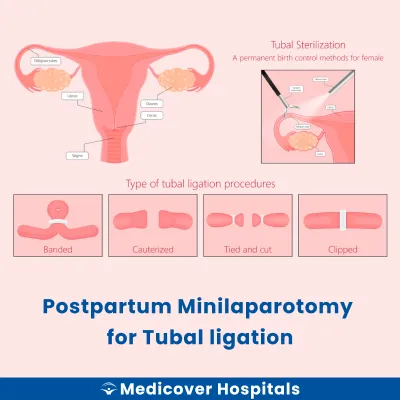
Postpartum Minilaparotomy for Tubal Ligation is a surgical procedure performed after childbirth. It involves making a small incision in the abdomen to access the fallopian tubes. The fallopian tubes (tubes connecting the ovaries to the uterus) are then tied, cut, or sealed to prevent future pregnancies. This method is considered a permanent form of contraception.
This surgery is needed for women who decide not to have more children. It is often chosen by those who have completed their families or have medical conditions making future pregnancies risky. If left untreated, unwanted pregnancies can occur. Modern surgical approaches include laparoscopic techniques, which are minimally invasive and involve smaller incisions. These methods offer quicker recovery and less discomfort.
Postpartum Minilaparotomy for Tubal Ligation Doctors Near You
Discover expert gynecologists for postpartum minilaparotomy for tubal ligation at Medicover Hospitals across India. Choose your city and book a consultation to discuss your options today.
Why Choose Medicover Hospitals for Postpartum Minilaparotomy for Tubal Ligation?
Get a second opinion from trusted experts and makeconfident, informed decisions.
 Get Second Opinion
Complete Guide To Postpartum Minilaparotomy For Tubal Ligation
Everything you need to know about the procedure, preparation, and recovery
Postpartum Minilaparotomy for Tubal Ligation Surgery Indications
Doctors recommend postpartum minilaparotomy for tubal ligation when a woman decides not to have more children after childbirth. This procedure is often chosen for permanent contraception soon after delivery.
Desire for Permanent Contraception
Women who have completed their family may experience anxiety about future pregnancies. During postpartum consultations, doctors may discuss permanent options like tubal ligation. When temporary methods are not preferred, this surgery is considered.
Medical Conditions Worsened by Pregnancy
Some women have conditions like severe hypertension or diabetes that worsen with pregnancy. Doctors may find these conditions uncontrolled despite treatment. When future pregnancies pose significant health risks, tubal ligation is advised.
Multiple Cesarean Deliveries
Women with multiple cesarean sections may face increased risks with further pregnancies. Doctors may observe uterine thinning or scar complications. When these risks outweigh the benefits of another pregnancy, tubal ligation is recommended.
Genetic Disorders
Families with a history of genetic disorders may worry about passing conditions to children. Genetic testing may reveal high risks. When the likelihood of transmission is significant, doctors may suggest permanent contraception.
Severe Postpartum Complications
Complications like severe hemorrhage or infection after childbirth can make future pregnancies risky. Doctors may identify these through clinical signs and lab results. When recovery is challenging, tubal ligation is considered.
How to Prepare for Postpartum Minilaparotomy for Tubal Ligation?
Proper preparation for postpartum minilaparotomy for tubal ligation is crucial for a smooth procedure and recovery. It helps in reducing complications and ensures a quicker return to daily activities.
- Medication Review: Inform your doctor about all medications. Stop NSAIDs, anticoagulants, and herbal supplements as advised.
- Fasting Guidelines: Follow the fasting instructions. Typically, no food or drink 6-8 hours before surgery.
- Bowel Preparation: No specific bowel prep is usually needed, but follow any instructions given by your healthcare provider.
- Clothing Choice: Wear loose, comfortable clothing to the hospital. It helps ease movement post-surgery.
- Transportation Arrangement: Arrange for someone to drive you home after the procedure, as you may feel drowsy from anaesthesia.
- Medication List: Bring a list of your current medications, including dosages, to the hospital.
- Post-Op Support: Plan for help at home, especially if you have other children to care for.
- Insurance Verification: Check with the hospital for current insurance details as panels may change.
Postpartum Minilaparotomy for Tubal Ligation Surgery (Step-by-Step)
This procedure is performed by gynecologists. It typically takes about 30-60 minutes. It can be done under regional or local anaesthesia.
- Preparation: The patient is positioned comfortably. Anaesthesia is administered to ensure no pain during the procedure.
- Incision: A small incision, about 2-3 cm, is made in the lower abdomen, just below the navel.
- Accessing the Fallopian Tubes: The surgeon uses a retractor to gently lift the abdominal wall. This provides access to the fallopian tubes.
- Sealing the Tubes: The surgeon uses a bipolar cautery to seal and cut the fallopian tubes. This prevents future pregnancies.
- Closing the Incision: The incision is closed with sutures or surgical glue. A dressing is applied to protect the area.
- Recovery: The patient is monitored in a recovery room. Vital signs are checked. Pain relief is provided if needed.
Who Performs Postpartum Minilaparotomy for Tubal Ligation Surgery?
This surgery is performed by gynecologists. They specialise in women's reproductive health and are trained in surgical procedures related to childbirth and contraception.
Recovery After Postpartum Minilaparotomy for Tubal Ligation Surgery
Recovery from postpartum minilaparotomy for tubal ligation is generally smooth. However, it is important to follow your doctor's instructions for a safe and speedy recovery. Expect some discomfort and fatigue as your body heals.
Day 1-3:
- Rest is crucial. Avoid strenuous activities.
- Begin with a light diet. Opt for easily digestible foods like moong dal, khichdi, and soups.
- Stay hydrated. Drink plenty of water and herbal teas.
Day 4-7:
- Gradually increase activity. Short walks are encouraged.
- Continue with a balanced diet. Include curd and dal-rice for nutrition.
- Avoid lifting heavy objects.
Day 8-14:
- Most women can resume light household chores.
- Return to work or school if you feel comfortable. Avoid strenuous tasks.
- Maintain a nutritious diet. Incorporate fruits and vegetables.
Phase 3 (Week 3-4):
- Resume normal activities gradually.
- Continue to avoid heavy lifting and high-impact exercises.
- Consult your doctor before starting any new exercise routine.
When to Seek Urgent Help
- Severe abdominal pain or swelling.
- High fever or chills.
- Heavy bleeding or unusual discharge.
- Signs of infection at the incision site, such as redness or pus.
If you experience any of these symptoms, contact your healthcare provider immediately.
Benefits of Postpartum Minilaparotomy for Tubal Ligation Surgery
Postpartum minilaparotomy for tubal ligation is a surgical procedure aimed at permanent contraception. It offers several benefits for women seeking to prevent future pregnancies.
- Permanent Solution: Provides a long-term contraceptive option without the need for ongoing management.
- Convenient Timing: Can be performed soon after childbirth, reducing the need for additional hospital visits.
- Quick Recovery: Typically involves a shorter recovery time compared to other surgical methods.
- Minimal Scarring: The procedure uses a small incision, resulting in less visible scarring.
- High Efficacy: Offers a highly effective method of preventing pregnancy.
Risks and Complications of Postpartum Minilaparotomy for Tubal Ligation Surgery
While generally safe, postpartum minilaparotomy for tubal ligation carries some risks and potential complications.
- Mild pain and discomfort at the incision site.
- Risk of infection at the incision site.
- Injury to nearby organs such as the bladder or intestines.
- Adverse reaction to anaesthesia.
- Formation of scar tissue that may cause future complications.
- Possibility of regret, as the procedure is permanent.
What is the Cost of Postpartum Minilaparotomy for Tubal Ligation Surgery?
The cost of Postpartum Minilaparotomy for Tubal Ligation Surgery at Medicover Hospitals ranges from Rs. 15,000 to Rs. 75,000. The price varies depending on the ward category chosen, such as day care, general, private, and deluxe options. We offer transparent pricing and support for insurance and TPA, including CGHS, ESI, and major TPAs. A cashless facility is also available. Please contact the hospital for the latest insurance panel details as these may change periodically.
Frequently Asked Questions
1. How much does Postpartum Minilaparotomy for Tubal Ligation surgery cost at Medicover Hospitals?
The cost ranges from Rs. 15,000 to Rs. 75,
2. across Medicover Hospitals, depending on the type of room and care required. 2. Is Postpartum Minilaparotomy for Tubal Ligation surgery covered under health insurance at Medicover?
Coverage is available under CGHS, ESI, and major TPAs, with cashless options. Please contact the hospital for current panel details.
3. Will I experience hormonal changes after tubal ligation?
Postpartum Minilaparotomy for tubal ligation does not affect hormone levels. Your menstrual cycle should continue as usual without hormonal changes.
4. Can I breastfeed immediately after the surgery?
Yes, you can typically resume breastfeeding soon after the procedure. Consult your doctor for specific advice based on your recovery.
5. What is the recovery time for tubal ligation?
Recovery from a postpartum minilaparotomy usually takes about 1-2 weeks. Avoid heavy lifting and strenuous activities during this period.
6. Will tubal ligation affect my menstrual cycle?
Tubal ligation does not typically alter your menstrual cycle. You should continue to have regular periods after the procedure.
7. Are there any long-term complications from tubal ligation?
Long-term complications are rare but may include pelvic pain or menstrual irregularities. Discuss any concerns with your healthcare provider.


