 Call
Call Patient Reports
Best Hospital for Posterior Colporrhaphy Surgery with Expert Gynecological Care
Posterior colporrhaphy at Medicover Hospitals is performed using the open surgical approach by skilled gynecologists with qualifications like MS, DNB, and FMAS. This procedure addresses pelvic floor disorders effectively. Patients benefit from shorter hospital stays and improved recovery outcomes.
Expert Surgeons
Yearly Surgeries
Patient Satisfaction
What is Posterior Colporrhaphy?
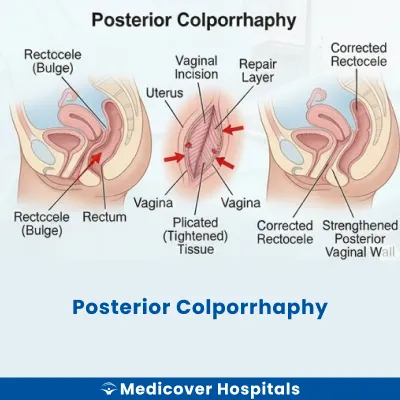
Posterior colporrhaphy is a surgical procedure aimed at repairing the rectocele, a condition where the rectum bulges into the back wall of the vagina. This surgery involves tightening the tissues between the rectum and vagina to restore normal anatomy. It helps in improving the structural support of the pelvic organs.
This surgery is needed when a rectocele causes symptoms like vaginal bulging, discomfort, or difficulty with bowel movements. If left untreated, these symptoms can worsen, affecting daily life. Modern surgical approaches for posterior colporrhaphy include minimally invasive techniques like laparoscopic or robotic-assisted surgery, which may offer quicker recovery and less postoperative pain.
Posterior Colporrhaphy Doctors Near You
Discover experienced gynecologists for posterior colporrhaphy at Medicover Hospitals across India. Choose your city and book a consultation to address your healthcare needs with confidence.
Why Choose Medicover Hospitals for Posterior Colporrhaphy?
Get a second opinion from trusted experts and makeconfident, informed decisions.
 Get Second Opinion
Complete Guide To Posterior Colporrhaphy
Everything you need to know about the procedure, preparation, and recovery
Posterior Colporrhaphy Surgery Indications
Doctors recommend posterior colporrhaphy to address specific pelvic floor issues. This procedure is often advised when non-surgical treatments do not provide relief.
Rectocele
Patients may experience a bulge in the vaginal wall, constipation, or difficulty with bowel movements. On examination, doctors find a protrusion of the rectal wall into the vagina. Surgery is considered when lifestyle changes and pelvic exercises fail to improve symptoms.
Pelvic Organ Prolapse
Symptoms include a feeling of heaviness or pressure in the pelvic area and urinary issues. Physical examination reveals descent of pelvic organs. Surgery is suggested when pessaries or physiotherapy do not alleviate discomfort.
Chronic Constipation
Patients report straining during bowel movements and incomplete evacuation. Diagnostic tests may show a rectocele contributing to these symptoms. When dietary changes and medications are ineffective, surgical intervention is recommended.
Vaginal Bulging
Women may notice a bulge or pressure in the vaginal area. A clinical examination confirms the presence of a rectocele. Surgery is advised when conservative measures like pelvic floor exercises do not resolve the issue.
Dyspareunia
Some patients experience pain during intercourse due to pelvic floor defects. Examination may reveal a rectocele causing discomfort. Surgery is considered when other treatments, such as physical therapy, fail to provide relief.
How to Prepare for Posterior Colporrhaphy?
Proper preparation for posterior colporrhaphy is crucial to ensure a smooth surgery and recovery. It helps reduce complications and enhances the effectiveness of the procedure.
- Medication Management: Stop NSAIDs, anticoagulants, and herbal supplements at least a week before surgery.
- Fasting Guidelines: Do not eat or drink anything for at least 8 hours before the surgery to prepare for anaesthesia.
- Bowel Preparation: Follow your doctor's instructions for bowel prep to ensure a clear surgical area.
- Pelvic Floor Exercises: Practice pelvic floor exercises as advised by your doctor to strengthen muscles before surgery.
- Comfortable Clothing: Wear loose, comfortable clothing on the day of surgery for ease of movement post-procedure.
- Transportation: Arrange for someone to drive you home after the surgery as you may feel drowsy from anaesthesia.
- Medication List: Bring a list of all medications with dosages to inform your healthcare team.
- Pre-Surgery Consultation: Attend all pre-surgery appointments to discuss any concerns and clarify instructions.
Posterior Colporrhaphy Surgery (Step-by-Step)
Posterior colporrhaphy is performed by gynecologists to repair the vaginal wall. The procedure typically lasts 1-2 hours. It is usually done under general or regional anaesthesia.
- Preparation: The patient is positioned on the surgical table. Anaesthesia is administered to ensure comfort and pain-free surgery.
- Incision: A small incision, about 1-2 cm, is made in the posterior vaginal wall. This allows access to the weakened tissue.
- Tissue Dissection: The surgeon uses surgical instruments like scissors and forceps to carefully dissect and separate the vaginal tissue from the rectal wall.
- Repair: The weakened tissue is identified and sutured. Sutures are placed to tighten and support the vaginal wall, restoring its strength.
- Closure: The incision is closed with absorbable sutures. This helps in healing and reduces the need for suture removal later.
- Recovery: The patient is moved to the recovery room. Monitoring continues as the anaesthesia wears off. Pain management is provided as needed.
Who Performs Posterior colporrhaphy Surgery?
Posterior colporrhaphy is performed by gynecologists. They are specialists trained in female reproductive health and surgical procedures related to the pelvic organs. Their expertise ensures the procedure is done safely and effectively.
Recovery After Posterior Colporrhaphy Surgery
Recovery from posterior colporrhaphy surgery involves gradual healing and a return to normal activities. It is important to follow your doctor's advice for a smooth recovery.
Day 1-3:
- Rest is crucial. Avoid any strenuous activities.
- Expect some discomfort and swelling. Pain medication may be prescribed.
- Consume light meals. Opt for easily digestible foods like curd, dal-rice, and soups.
Day 4-7:
- Continue to rest, but short walks around the house can aid circulation.
- Maintain a high-fibre diet to prevent constipation. Include moong dal and khichdi.
- Increase fluid intake to stay hydrated.
Day 8-14:
- Gradually resume light activities. Avoid lifting heavy objects.
- Most patients can return to work or school within two weeks, depending on the nature of their activities.
- Continue with a balanced diet to support healing.
Phase 3 (Week 3-6):
- Normal activities can be resumed, but avoid high-impact exercises.
- Follow up with your doctor for a post-operative check-up.
When to Seek Urgent Help:
- Severe pain or swelling that does not improve with medication.
- Heavy bleeding or unusual discharge.
- Signs of infection, such as fever or redness at the surgical site.
If you experience any of these symptoms, contact your healthcare provider immediately.
Benefits of Posterior Colporrhaphy Surgery
Posterior colporrhaphy is a surgical procedure aimed at repairing the vaginal wall and rectal support.
- Improved Vaginal Support: Helps restore the normal structure and function of the vaginal wall.
- Reduced Discomfort: Alleviates symptoms like pelvic pressure and discomfort.
- Enhanced Bowel Function: Can improve bowel control and reduce issues like constipation.
- Better Quality of Life: Many patients experience an improvement in daily activities and overall well-being.
Risks and Complications of Posterior colporrhaphy Surgery
While posterior colporrhaphy is generally safe, like any surgery, it carries certain risks.
- Infection at the surgical site.
- Bleeding during or after the procedure.
- Injury to surrounding organs such as the bladder or rectum.
- Recurrence of prolapse symptoms over time.
- Pain during intercourse post-surgery.
- Blood clots forming in the legs or lungs.
What is the Cost of Posterior Colporrhaphy Surgery?
The cost of Posterior colporrhaphy surgery at Medicover Hospitals ranges from Rs. 86,250 to Rs. 2,34,000. The price varies depending on the ward category chosen, such as day care, general, private, or suite options. We offer transparent pricing and support for insurance and TPA, including CGHS, ESI, and major TPAs. A cashless facility is also available for your convenience. Please contact the hospital for the latest insurance panel details as these may change periodically.
Frequently Asked Questions
1. How much does Posterior colporrhaphy cost?
The cost of Posterior colporrhaphy surgery at Medicover Hospitals ranges from Rs. 86,250 to Rs. 2,34,000, depending on the type of accommodation.
2. Is Posterior colporrhaphy covered by insurance?
Posterior colporrhaphy may be covered by CGHS, ESI, and major TPAs with cashless options. Please contact the hospital for current panel details.
3. Will I need a special diet after colporrhaphy?
After Posterior colporrhaphy, a soft diet like curd, dal-rice, and khichdi is recommended. This helps in smooth digestion and recovery.
4. Can I exercise immediately after colporrhaphy?
Strenuous exercise should be avoided for at least 6 weeks post-surgery. Light walking is encouraged to aid recovery.
5. Will Posterior colporrhaphy affect bowel movements?
Temporary changes in bowel movements can occur after surgery. A high-fibre diet and adequate hydration can help manage this.
6. Can Posterior colporrhaphy cause incontinence?
Incontinence is a rare complication but can occur. Discuss any concerns with your doctor to understand and manage risks.
7. Is sexual activity restricted post-colporrhaphy?
Sexual activity should be avoided for at least 6 weeks post-surgery. This allows for proper healing and reduces the risk of complications.


