 Call
Call Patient Reports
Posterior Cervical Stabilization Surgery by Expert Neurosurgeons
At Medicover Hospitals, our expert neurosurgeons, with qualifications like MS, MCh, and DNB, perform Posterior Cervical Stabilization using the open surgical approach. This procedure helps in stabilising the cervical spine effectively. Patients often experience shorter hospital stays and improved recovery outcomes.
Expert Surgeons
Yearly Surgeries
Patient Satisfaction
What is Posterior Cervical Stabilization?
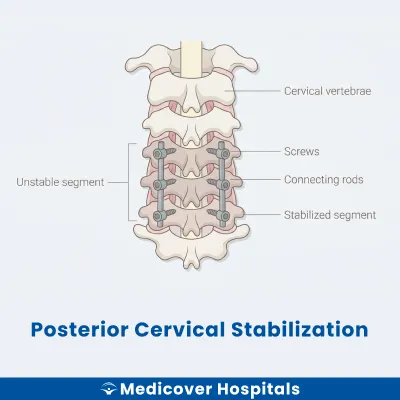
Posterior Cervical Stabilization is a surgical procedure aimed at stabilizing the cervical spine (neck region of the spine). It involves the use of rods, screws, or plates to support the vertebrae. This helps in maintaining proper alignment and preventing further movement that could cause damage.
This surgery is often needed for conditions like cervical spondylosis,spinal stenosis, or traumatic injuries. These conditions can lead to instability or compression of the spinal cord and nerves. If left untreated, they may cause pain, numbness, or even paralysis. Modern surgical approaches include minimally invasive techniques and the use of advanced imaging for precision. These methods aim to reduce recovery time and improve outcomes.
Posterior Cervical Stabilization Doctors Near You
Discover experienced neurosurgeons for posterior cervical stabilization at Medicover Hospitals across India. Choose your city and book a consultation to address your spine health needs effectively.
Why Choose Medicover Hospitals for Posterior Cervical Stabilization?
Get a second opinion from trusted experts and makeconfident, informed decisions.
 Get Second Opinion
Complete Guide To Posterior Cervical Stabilization
Everything you need to know about the procedure, preparation, and recovery
Posterior Cervical Stabilization Surgery Indications
Doctors recommend posterior cervical stabilization surgery when non-surgical treatments fail to relieve symptoms. This procedure helps in stabilizing the cervical spine and alleviating pain or neurological deficits.
Cervical Instability
Patients may experience neck pain, headaches, or a feeling of instability. Imaging tests like X-rays or MRIs show abnormal movement between vertebrae. Surgery is considered when physical therapy and medications do not improve stability.
Spinal Stenosis
Symptoms include neck pain, numbness, or weakness in the arms. MRI or CT scans reveal narrowing of the spinal canal. Surgery is recommended when conservative treatments like physiotherapy and medications fail to relieve symptoms.
Herniated Disc
Patients often report severe neck pain radiating to the arms. MRI scans show disc material pressing on nerves. Surgery is advised when symptoms persist despite rest, medications, and physical therapy.
Degenerative Disc Disease
Common symptoms are chronic neck pain and stiffness. Imaging tests show disc degeneration and reduced disc height. Surgery is considered when pain persists despite conservative management.
Traumatic Injury
Patients may have severe neck pain and limited movement after an accident. X-rays or CT scans show fractures or dislocations. Surgery is necessary when immobilization and other treatments do not restore stability.
How to Prepare for Posterior Cervical Stabilization?
Proper preparation is crucial for a smooth surgery and recovery. It helps reduce risks and ensures a better outcome.
- Medication Review: Stop NSAIDs, anticoagulants, and herbal supplements 7 days before surgery.
- Fasting Guidelines: Do not eat or drink anything for at least 8 hours before the procedure.
- Pre-Surgery Tests: Complete all required blood tests and imaging studies as advised by your doctor.
- Personal Items: Wear loose clothing and remove any jewellery before coming to the hospital.
- Transportation: Arrange for someone to drive you home post-surgery.
- Medication List: Bring a list of current medications with dosages for hospital records.
- Smoking and Alcohol: Avoid smoking and alcohol for at least 48 hours before surgery.
- Home Preparation: Set up a comfortable recovery area at home with easy access to essentials.
Posterior Cervical Stabilization Surgery (Step-by-Step)
Overview: Posterior cervical stabilization is performed by neurosurgeons. The surgery typically lasts 3-5 hours and is done under general anaesthesia.
- Preparation: The patient is positioned face down on the operating table. General anaesthesia is administered to ensure the patient is asleep and pain-free.
- Incision: A 3-5 cm incision is made along the back of the neck. The surgeon carefully retracts the muscles to access the cervical spine.
- Exposure: Using surgical instruments like a curette, the surgeon clears away any tissue obstructing the view of the spine.
- Stabilization: Screws and rods are placed into the vertebrae to stabilize the spine. A harmonic scalpel may be used to ensure precision during this step.
- Verification: Imaging techniques, such as X-ray or fluoroscopy, confirm the correct placement of the hardware.
- Closure: The muscles are repositioned, and the incision is closed with sutures or staples. A sterile bandage is applied.
- Recovery: The patient is moved to a recovery room. They gradually wake up from anaesthesia and are monitored for any immediate complications.
Who Performs Posterior Cervical Stabilization Surgery?
This surgery is performed by neurosurgery specialists. They specialise in surgical procedures involving the brain, spine, and nervous system. Their expertise ensures the safe and effective stabilization of the cervical spine.
Recovery After Posterior Cervical Stabilization Surgery
Recovery from posterior cervical stabilization surgery involves gradual healing and rehabilitation. Patients may experience discomfort and limited mobility initially. Adhering to medical advice is crucial for a smooth recovery.
Day 1-3:
- Hospital stay is common. Pain management and monitoring are priorities.
- Soft diet recommended. Include curd, dal-rice, and soups.
- Minimal movement. Assistance needed for basic activities.
Day 4-7:
- Gradual increase in mobility. Short walks with support.
- Continue with a soft diet. Khichdi and moong dal are good options.
- Avoid bending or lifting heavy objects.
Week 2-4:
- Stitches or staples may be removed. Follow-up appointment likely.
- Physical therapy may begin. Focus on neck and shoulder exercises.
- Return to light activities. Avoid strenuous tasks.
Week 5-8:
- Increased activity levels. Gradual return to work or school, depending on recovery.
- Continue balanced diet. Include proteins and vitamins for healing.
- Regular physical therapy sessions. Adhere to exercise regimen.
When to Seek Urgent Help
- Severe pain not relieved by medication.
- Signs of infection: redness, swelling, or discharge at the surgical site.
- Numbness, tingling, or weakness in arms or legs.
- Difficulty breathing or swallowing.
Benefits of Posterior Cervical Stabilization Surgery
Posterior cervical stabilization surgery helps address instability in the cervical spine. It aims to improve neck function and alleviate symptoms.
- Pain Relief: Reduces neck pain by stabilizing the spine.
- Improved Mobility: Enhances neck movement and flexibility.
- Prevention of Further Damage: Stops progression of spinal instability.
- Nerve Decompression: Relieves pressure on spinal nerves, reducing symptoms like numbness.
Risks and Complications of Posterior Cervical Stabilization Surgery
While generally safe, posterior cervical stabilization surgery carries some risks. Patients should be aware of potential complications.
Common Risks
- Risk of infection at the surgical site.
- Possibility of excessive bleeding during or after surgery.
Rare Risks
- Nerve Damage: Potential for nerve injury leading to weakness or numbness.
- Hardware Failure: Screws or rods may loosen or break over time.
- Non-union: Bones may not fuse properly, requiring additional surgery.
- Adjacent Segment Disease: Stress on nearby spinal segments may cause issues.
Cost of Posterior Cervical Stabilization Surgery
The cost of Posterior Cervical Stabilization Surgery varies from ₹2,00,000 to ₹5,50,000, based on factors like the surgical approach, duration of hospital stay, room category, required diagnostics, and post-operative care.
At Medicover Hospitals, we ensure transparent pricing. We support various insurance and TPA options, including CGHS, ESI, and major TPAs, to facilitate a smooth experience. A cashless facility is also available for eligible patients. Please contact the hospital for the latest insurance panel details as these may change periodically.
Frequently Asked Questions
1. How much does Posterior Cervical Stabilization surgery cost at Medicover Hospitals?
The cost of Posterior Cervical Stabilization surgery varies from ₹2,00,000 to ₹5,50,
2. Please contact Medicover Hospitals for detailed pricing information. 2. Is Posterior Cervical Stabilization surgery covered under health insurance at Medicover?
Insurance coverage may include CGHS, ESI, and major TPAs. Please contact the hospital for current panel details.
3. Will I need a neck brace after Posterior Cervical Stabilization?
Yes, wearing a neck brace is often recommended post-surgery. It helps support the cervical spine during the initial recovery phase.
4. Can I drive after Posterior Cervical Stabilization surgery?
Driving is usually restricted for a few weeks post-surgery. Consult your doctor for specific guidance based on your recovery progress.
5. Will I experience neck stiffness after Posterior Cervical Stabilization?
Neck stiffness is a common temporary side effect. Regular physiotherapy can help improve mobility and reduce stiffness over time.
6. Can I lift heavy objects after Posterior Cervical Stabilization?
Lifting heavy objects is generally discouraged after surgery. Follow your doctor's advice on when it's safe to resume such activities.
7. What foods should I avoid after Posterior Cervical Stabilization?
Avoid hard-to-chew foods; opt for soft options like curd, dal-rice, and khichdi. This helps prevent strain on the neck during recovery.


