 Call
Call Patient Reports
Hospital for Polypectomy Surgery for Polyp Removal with Expert Care
At Medicover Hospitals, our skilled gynecologists, with qualifications like MS, DNB, and FMAS, perform endoscopic polypectomy to remove uterine polyps. This minimally invasive approach allows for smaller incisions and reduced blood loss, leading to a quicker recovery and shorter hospital stay for patients.
Expert Surgeons
Yearly Surgeries
Patient Satisfaction
What is Polypectomy?
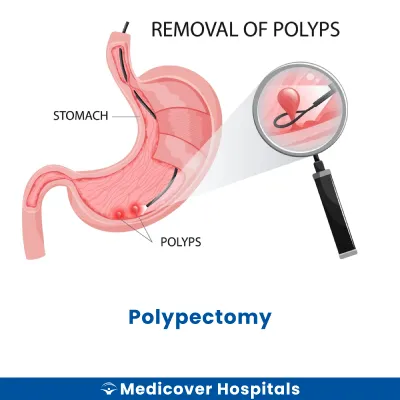
Polypectomy is a medical procedure performed to remove abnormal tissue growths known as polyps, which can develop in different parts of the body such as the colon, stomach, uterus, or nasal passages. Although many polyps are non-cancerous, some may gradually develop into cancer if left untreated. The procedure is commonly performed using minimally invasive endoscopic techniques that help specialists identify and remove the polyps safely and effectively.
This procedure is recommended to prevent complications such as bleeding, blockage, discomfort, or cancerous changes caused by growing polyps. Modern treatment approaches, including endoscopic and minimally invasive surgical techniques, support precise removal, reduced discomfort, shorter hospital stays, and faster recovery. Polypectomy may be performed by specialists in Gastroenterology, General Surgery, Gynecology, or ENT, depending on the location of the polyp.
Polypectomy Doctors Near You
Find expert gynecologists for polypectomy at Medicover Hospitals across India. Choose your city and book a consultation today for specialised care and guidance tailored to your needs.
Why Choose Medicover Hospitals for Polypectomy?
Get a second opinion from trusted experts and makeconfident, informed decisions.
 Get Second Opinion
Complete Guide To Polypectomy
Everything you need to know about the procedure, preparation, and recovery
Polypectomy Surgery Indications
Doctors recommend polypectomy when polyps cause symptoms or have potential for complications. This procedure helps remove abnormal tissue growths, often improving symptoms and preventing further issues.
Abnormal Uterine Bleeding
Patients may experience heavy or irregular menstrual bleeding. Doctors find uterine polyps during pelvic exams or ultrasounds. When medication fails to control bleeding, polypectomy is advised.
Infertility
Women facing difficulty conceiving might have polyps obstructing the uterine cavity. Hysteroscopy or ultrasound often reveals these growths. If fertility treatments don't succeed, removing polyps can improve chances of conception.
Postmenopausal Bleeding
Unexpected bleeding after menopause can be alarming. Doctors may discover polyps during a pelvic exam or imaging. If bleeding persists despite hormone therapy, surgery is recommended.
Pelvic Pain
Persistent pelvic pain might indicate polyps. Ultrasound or MRI can confirm their presence. When pain relief measures don't work, polypectomy can alleviate discomfort.
Endometrial Hyperplasia
Thickened uterine lining can cause irregular bleeding. Biopsy or ultrasound may show polyps contributing to this condition. If medication is ineffective, surgical removal is necessary.
How to Prepare for Polypectomy?
Proper preparation for a polypectomy is crucial to ensure a smooth procedure and recovery. Following the guidelines helps reduce risks and improve outcomes.
- Medication Review: Stop NSAIDs, anticoagulants, and herbal supplements 7 days before surgery. Consult your doctor for specific instructions.
- Fasting: Do not eat or drink anything for at least 8 hours before the procedure if general anaesthesia is used.
- Bowel Preparation: Follow the prescribed bowel prep regimen to clear your intestines, if applicable.
- Comfortable Clothing: Wear loose, comfortable clothing on the day of the procedure for ease of changing and comfort.
- Transportation: Arrange for someone to drive you home after the procedure, as you may feel drowsy from anaesthesia.
- Medication List: Bring a list of all medications you are taking, including dosages, to inform the medical team.
- Pre-Procedure Instructions: Follow any additional instructions provided by your healthcare provider to ensure readiness.
- Relaxation Techniques: Practice deep breathing or relaxation exercises to help ease anxiety before the procedure.
Polypectomy Surgery (Step-by-Step)
Polypectomy is performed by obstetricians or gastroenterologist. The procedure typically lasts 30 to 60 minutes. It may require local, regional, or general anaesthesia, depending on the polyp's location and size.
- Preparation: The patient is positioned comfortably. Anaesthesia is administered to ensure no pain during the procedure.
- Accessing the Polyp: A speculum is inserted to open the vaginal walls. This provides a clear view of the cervix and access to the uterus.
- Visualisation: A hysteroscope, a thin tube with a camera, is inserted through the cervix. This allows the surgeon to locate the polyp accurately.
- Polyp Removal: Using instruments like a curette or bipolar cautery, the surgeon carefully removes the polyp. The size of the incision, if required, is usually minimal, around 1-2 cm.
- Bleeding Control: Any bleeding is managed using a bipolar cautery or similar device. This ensures the area is safe and clean.
- Final Inspection: The surgeon rechecks the area with the hysteroscope to ensure complete removal of the polyp.
- Recovery: The patient is moved to a recovery area. They may feel mild cramping or spotting, which is normal.
Who Performs Polypectomy Surgery?
Polypectomy is performed by gynecologists. These specialists are trained to handle conditions of the female reproductive system. They ensure the procedure is done safely and effectively.
Recovery After Polypectomy Surgery
Recovery from polypectomy surgery is generally smooth and quick. Most patients can resume normal activities within a few days. However, it's important to follow your doctor's advice for a safe recovery.
Day 1-2:
- Rest is crucial. Avoid strenuous activities.
- Stick to a soft diet. Include curd, dal-rice, and soups.
- Stay hydrated. Drink plenty of water.
- You may experience mild discomfort or bloating.
Day 3-5:
- Gradually resume light activities.
- Continue with a soft diet. Add khichdi and moong dal.
- Avoid spicy or oily foods to prevent irritation.
- Monitor for any unusual symptoms.
Day 6-7:
- Most can return to work or school if feeling well.
- Introduce more variety into your diet, but keep it light.
- Continue avoiding heavy lifting or intense exercise.
When to Seek Urgent Help:
- Severe abdominal pain or cramping.
- Heavy bleeding or passing large blood clots.
- Fever or chills indicating possible infection.
- Persistent nausea or vomiting.
Always follow your doctor's specific instructions for recovery. If you have any concerns or experience red-flag symptoms, seek medical attention promptly.
Benefits of Polypectomy Surgery
Polypectomy is a procedure to remove polyps from the colon or other areas, helping prevent potential health issues.
- Prevention of Cancer: Removing polyps can reduce the risk of them becoming cancerous.
- Symptom Relief: It can alleviate symptoms like bleeding or bowel irregularities.
- Minimally Invasive: Often performed during a colonoscopy, it requires no major surgery.
- Quick Recovery: Patients generally experience a swift return to normal activities.
Risks and Complications of Polypectomy Surgery
While generally safe, polypectomy carries some risks, as with any medical procedure.
- Bleeding: Some bleeding may occur at the site of polyp removal.
- Perforation: There is a small risk of a tear in the colon wall.
- Infection: Infection at the site is possible but uncommon.
- Incomplete Removal: Occasionally, polyps may not be fully removed.
- Adverse Reaction to Sedation: Some patients may react to sedatives used during the procedure.
Cost of Polypectomy Surgery
The cost of Polypectomy Surgery at Medicover Hospitals ranges from Rs. 16000 to Rs. 25000. The price varies based on the ward category chosen, such as day care, general, private, or suite options. We offer transparent pricing and support for insurance and TPA, including CGHS, ESI, and major TPAs. A cashless facility is also available for your convenience. Please contact the hospital for the latest insurance panel details as these may change periodically.
Frequently Asked Questions
1. How much does Polypectomy surgery cost at Medicover Hospitals?
The cost of Polypectomy surgery at Medicover Hospitals ranges from Rs. 16000 to Rs. 25000, depending on the facility and room type.
2. Is Polypectomy surgery covered under health insurance at Medicover?
Polypectomy surgery is often covered by health insurance, including CGHS, ESI, and major TPAs. Please contact the hospital for current panel details.
3. Can polyps recur after Polypectomy?
Yes, polyps can recur after a Polypectomy. Regular follow-ups and screenings are recommended to monitor and manage any recurrence.
4. Will I experience changes in bowel habits post-surgery?
Some patients may experience temporary changes in bowel habits after Polypectomy. These usually resolve within a few weeks.
5. Is there a specific diet to follow after Polypectomy?
Post-Polypectomy, a soft diet including curd, dal-rice, and khichdi is recommended. Avoid spicy and high-fibre foods initially.
6. Can Polypectomy affect fertility?
Polypectomy generally does not affect fertility. However, removing polyps can sometimes improve fertility by clearing blockages.
7. Are there any sexual activity restrictions post-Polypectomy?
It is advised to avoid sexual activity for about two weeks post-Polypectomy. This helps in ensuring proper healing and recovery.


