 Call
Call Patient Reports
Best Hospital for Peripheral Nerve Surgery by Expert Neurologists
Peripheral nerve surgery at Medicover Hospitals involves open surgical techniques performed by skilled neurologists with DM and DNB qualifications. This approach addresses nerve-related issues effectively. Patients benefit from shorter hospital stays and improved recovery times due to precise surgical interventions.
Expert Surgeons
Yearly Surgeries
Patient Satisfaction
What is Peripheral Nerve Surgery?
Peripheral nerve surgery involves procedures on the peripheral nerves, which are the network of nerves outside the brain and spinal cord. These nerves transmit signals between the brain and the rest of the body. Surgery may be required to repair, decompress, or remove damaged nerves. This can help restore function and alleviate pain.
This surgery is needed for conditions like nerve injuries, entrapments (such as carpal tunnel syndrome), or tumours. If left untreated, these conditions can lead to chronic pain, numbness, or even permanent disability. Modern surgical approaches include microsurgery, nerve grafting, and neurolysis. These techniques aim to restore nerve function and improve quality of life.
Peripheral Nerve Surgery Doctors Near You
Discover skilled neurologists for peripheral nerve surgery at Medicover Hospitals across India. Choose your city and book a consultation to address your neurological concerns with expert care.
Why Choose Medicover Hospitals for Peripheral Nerve Surgery?
Get a second opinion from trusted experts and makeconfident, informed decisions.
 Get Second Opinion
Complete Guide To Peripheral Nerve Surgery
Everything you need to know about the procedure, preparation, and recovery
Peripheral Nerve Surgery Indications
Peripheral nerve surgery is recommended when nerve damage affects daily life and conservative treatments fail. Neurologists suggest this procedure to relieve symptoms and restore function.
Carpal Tunnel Syndrome
Patients experience numbness, tingling, or pain in the hand and fingers. Doctors find compression of the median nerve in the wrist through physical exams and nerve conduction studies. Surgery is advised when symptoms persist despite splinting or medication.
Ulnar Nerve Entrapment
Symptoms include tingling and weakness in the ring and little fingers. Examination reveals nerve compression at the elbow. Surgery is considered when physiotherapy and anti-inflammatory medications do not alleviate symptoms.
Peripheral Nerve Tumors
Patients may notice a lump, pain, or weakness in the affected area. Imaging tests like MRI show abnormal growths on nerves. Surgery is needed when the tumor causes significant discomfort or functional impairment.
Traumatic Nerve Injuries
Injuries may cause loss of sensation or movement in a limb. Doctors use electromyography and nerve conduction studies to assess damage. Surgery is necessary when nerves do not heal naturally over time.
Foot Drop
Patients struggle to lift the front part of the foot, leading to tripping. Clinical tests show nerve dysfunction affecting the leg. Surgery is recommended when braces and physical therapy fail to improve mobility.
How to Prepare for Peripheral Nerve Surgery?
Proper preparation for peripheral nerve surgery is crucial to ensure a smooth procedure and recovery. It helps minimise risks and enhances the effectiveness of the surgery.
- Medication Review: Stop NSAIDs, anticoagulants, and herbal supplements at least a week before surgery. Consult your doctor for specific guidance.
- Fasting Instructions: Do not eat or drink anything for at least 8 hours before the surgery to prepare for anaesthesia.
- Clothing: Wear loose, comfortable clothing on the day of the surgery to avoid discomfort and ease dressing post-surgery.
- Transportation: Arrange for someone to drive you home after the procedure, as you may feel drowsy from anaesthesia.
- Medication List: Bring a list of all medications you are currently taking, including dosages, to inform the medical team.
- Health Conditions: Inform your doctor of any existing health conditions, allergies, or previous surgeries for tailored care.
- Pre-Surgery Tests: Complete any required blood tests or imaging studies as advised by your surgeon.
- Smoking and Alcohol: Avoid smoking and alcohol consumption at least 24 hours before the surgery to promote better healing.
Peripheral Nerve Surgery (Step-by-Step)
The procedure typically lasts 1 to 3 hours. It is usually done under general anaesthesia, ensuring the patient is asleep and pain-free.
- Preparation: The patient is positioned comfortably on the operating table. The surgical area is cleaned and sterilised to prevent infection.
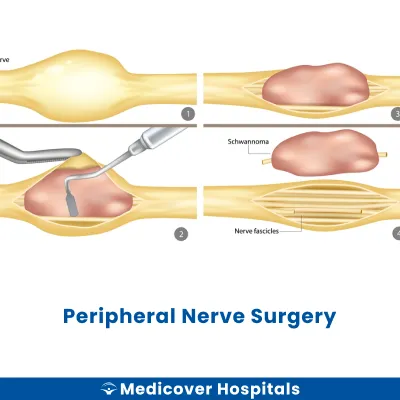
- Incision: A small incision, usually 1-2 cm, is made over the affected nerve area. This allows access to the nerve while minimising tissue damage.
- Exposure: Surgical instruments like retractors are used to gently move aside tissues and expose the nerve. Care is taken to avoid unnecessary trauma to surrounding structures.
- Nerve Repair or Decompression: Depending on the condition, the surgeon may use a scalpel or bipolar cautery to release pressure on the nerve or repair it. This step is crucial for restoring nerve function.
- Closure: Once the nerve is treated, the incision is closed with sutures or staples. The area is then covered with a sterile dressing to protect it during healing.
- Recovery: The patient is moved to a recovery area. As the anaesthesia wears off, they may feel some discomfort, which is managed with medication.
Who Performs Peripheral nerve surgery?
Peripheral nerve surgery is performed by a Nerve doctor. These specialists have expertise in diagnosing and treating nerve-related conditions. They use precise techniques to ensure the best possible outcomes for nerve repair and decompression.
Recovery After Peripheral Nerve Surgery
Recovery from peripheral nerve surgery varies depending on the complexity of the procedure and the individual's health. Patients can expect a gradual return to normal activities, with initial rest and care being crucial for optimal healing.
Day 1-3:
- Rest is essential. Limit movement to prevent strain on the surgical site.
- Keep the surgical area clean and dry. Follow the doctor's instructions for dressing changes.
- Manage pain with prescribed medications.
- Consume soft, easily digestible foods like curd, dal-rice, or khichdi to maintain energy and nutrition.
Day 4-7:
- Gradually increase light activities as tolerated, but avoid lifting heavy objects or strenuous tasks.
- Continue with a balanced diet. Include moong dal and soups to aid recovery.
- Attend follow-up appointments to monitor healing progress.
Week 2-4:
- Begin gentle exercises or physical therapy if advised by the doctor.
- Most patients can resume work or school, depending on the nature of their job and recovery progress.
- Maintain a nutritious diet to support nerve healing.
Phase 1 Month and Beyond:
- Continue with rehabilitation exercises to improve strength and flexibility.
- Regular check-ups to ensure proper nerve function and recovery.
When to Seek Urgent Help
If you experience severe pain, signs of infection (redness, swelling, or pus), numbness, or loss of function in the affected area, contact your healthcare provider immediately.
Benefits of Peripheral Nerve Surgery
Peripheral nerve surgery can help restore function and alleviate symptoms caused by nerve damage or compression.
- Pain Relief: Reduces or eliminates pain associated with nerve damage.
- Improved Mobility: Enhances movement and coordination by addressing nerve issues.
- Restored Sensation: Helps regain lost sensation in affected areas.
- Functional Recovery: Aims to restore normal function in the affected limb or area.
- Prevention of Further Damage: Addresses underlying issues to prevent worsening of symptoms.
Risks and Complications of Peripheral nerve surgery
While peripheral nerve surgery can be beneficial, it carries certain risks and complications. It is important to be aware of these potential outcomes.
- Infection (Common): Risk of infection at the surgical site.
- Nerve Damage (Rare): Possibility of further nerve injury during surgery.
- Bleeding (Common): Bleeding may occur during or after the procedure.
- Scarring (Common): Scar tissue formation at the surgical site.
- Allergic Reaction (Rare): Reaction to anaesthesia or other medications used.
- Persistent Symptoms (Rare): Some symptoms may not fully resolve post-surgery.
- Blood Clots (Rare): Risk of developing blood clots post-surgery.
Cost of Peripheral Nerve Surgery
The cost of Peripheral nerve surgery at Medicover Hospitals ranges from Rs.4300 to Rs.10000, depending on the ward category. Prices vary based on the type of accommodation chosen, such as outpatient, day care, or private rooms.
Medicover Hospitals offers transparent pricing and supports insurance and TPA services, including CGHS, ESI, and major TPAs. A cashless facility is also available for your convenience. Please contact the hospital for the latest insurance panel details as these may change periodically.
Frequently Asked Questions
1. How much does Peripheral nerve surgery cost?
The cost of Peripheral nerve surgery at Medicover Hospitals ranges from Rs. 4300 to Rs. 10000, depending on the specific procedure and facility.
2. Is Peripheral nerve surgery covered by insurance?
Peripheral nerve surgery may be covered by CGHS, ESI, and major TPAs. Please contact the hospital for current panel details.
3. Will I regain full sensation after surgery?
Regaining full sensation after Peripheral nerve surgery varies by individual. Some patients may experience partial recovery over time.
4. Can I drive immediately after surgery?
Driving is not recommended immediately after Peripheral nerve surgery. Patients should wait until their doctor confirms it's safe.
5. Will I need physiotherapy post-surgery?
Physiotherapy is often recommended after Peripheral nerve surgery to aid recovery. It helps improve strength and mobility.
6. Can I experience numbness after surgery?
Numbness is a common temporary side effect of Peripheral nerve surgery. It usually improves as the nerves heal.
7. Will my daily activities be affected?
Daily activities may be limited initially after Peripheral nerve surgery. Gradual resumption is advised as per medical guidance.
8. What is the most common peripheral nerve injury?
The most common peripheral nerve injury is median nerve injury, often seen in conditions like carpal tunnel syndrome. It affects hand sensation and movement.
9. Can peripheral neuropathy be cured by surgery?
Surgery is not always required for peripheral neuropathy. It may help in cases caused by nerve compression or injury, but many types (like diabetic neuropathy) are managed with medications and lifestyle changes rather than cured surgically.
10. How do you repair peripheral nerve damage?
Treatment depends on severity and cause. Options include medications, physiotherapy, and nerve decompression surgery. In severe cases, nerve repair or grafting procedures may be performed to restore function.


