 Call
Call Patient Reports
Perinephric Abscess Drainage Surgery Hospital by Expert Urologists
At Medicover Hospitals, our experienced urologists, with qualifications such as MCh, DNB, and MS, perform perinephric abscess drainage using endoscopic techniques. This approach ensures smaller incisions and reduced blood loss, leading to a shorter hospital stay for patients across India.
Expert Surgeons
Yearly Surgeries
Patient Satisfaction
What is Perinephric Abscess Drainage?
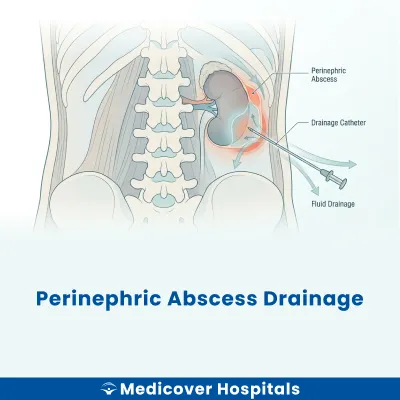
Perinephric abscess drainage is a medical procedure to remove pus from an abscess around the kidney. The perinephric space is the area surrounding the kidney. An abscess here is a collection of pus due to infection. This procedure helps relieve pain and prevent further complications.
This surgery is needed when an abscess forms due to kidney infections or urinary tract infections (UTIs). If left untreated, the infection can spread, leading to severe health issues. Modern surgical approaches include percutaneous drainage (using a needle and catheter) and open surgical drainage. These methods help in effectively removing the abscess and reducing the risk of complications.
Perinephric Abscess Drainage Doctors Near You
Find experienced urologists for perinephric abscess drainage at Medicover Hospitals across India. Choose your city and book a consultation to receive expert care tailored to your needs.
Why Choose Medicover Hospitals for Perinephric Abscess Drainage?
Get a second opinion from trusted experts and makeconfident, informed decisions.
 Get Second Opinion
Complete Guide To Perinephric Abscess Drainage
Everything you need to know about the procedure, preparation, and recovery
Perinephric abscess drainage Surgery Indications
Doctors recommend perinephric abscess drainage when an abscess forms around the kidney, causing severe symptoms and complications. This procedure is often necessary when conservative treatments like antibiotics fail to resolve the infection.
Severe Flank Pain
Patients may experience intense pain in the flank area, which does not improve with medication. Imaging tests like CT scans reveal a fluid-filled abscess around the kidney. When pain persists despite antibiotics, drainage is necessary.
High Fever and Chills
Persistent high fever and chills are common symptoms. Blood tests often show elevated white blood cell counts, indicating infection. If fever does not subside with medication, surgical drainage is considered.
Renal Function Impairment
Some patients may have reduced kidney function, as shown by blood tests. Imaging may reveal an abscess compressing the kidney. When kidney function worsens despite treatment, drainage is required.
Persistent Infection
Ongoing infection despite antibiotic therapy suggests an abscess. Cultures may show resistant bacteria. If infection signs persist, surgical intervention is needed to remove the abscess.
Abscess Enlargement
Imaging studies may show an increasing size of the abscess. Patients often feel worsening symptoms. When the abscess grows despite conservative measures, drainage becomes necessary.
How to Prepare for Perinephric Abscess Drainage?
Proper preparation for perinephric abscess drainage is crucial for a smooth procedure and recovery. It helps minimise risks and ensures the best possible outcome.
- Medication Review: Stop NSAIDs, anticoagulants, and herbal supplements as advised by your doctor to reduce bleeding risk.
- Fasting: Fast for at least 6-8 hours before the procedure if general anaesthesia is used.
- Hydration: Drink clear fluids up to 2 hours before the procedure, unless instructed otherwise.
- Clothing: Wear loose, comfortable clothing on the day of the procedure for ease of movement.
- Transportation: Arrange for someone to drive you home post-procedure, as you may feel drowsy from anaesthesia.
- Medication List: Bring a list of all medications with dosages to inform the medical team.
- Pre-Procedure Tests: Complete any required blood tests or imaging studies as scheduled.
- Personal Items: Leave valuables at home and bring only essentials to the hospital.
Perinephric abscess drainage Surgery (Step-by-Step)
Overview: This procedure is performed by urologists. It typically lasts 1-2 hours and is done under general anaesthesia.
- Preparation: The patient is positioned on the operating table. Vital signs are monitored. General anaesthesia is administered to ensure the patient is asleep and pain-free.
- Incision: A small incision, about 1-2 cm, is made in the flank area. This allows access to the perinephric space.
- Accessing the Abscess: A trocar is inserted through the incision to reach the abscess. Imaging guidance, like ultrasound or CT, may be used to locate the abscess accurately.
- Drainage: A curette or similar instrument is used to break up the abscess. Pus and infected material are carefully drained. A suction device may assist in removing the fluid.
- Cleaning the Area: The abscess cavity is irrigated with a sterile solution to ensure all infected material is removed. This helps prevent recurrence.
- Placement of Drain: A drain may be left in place to allow any remaining fluid to exit the body. It is secured and connected to a collection bag.
- Closure: The incision is closed with sutures or staples. A sterile dressing is applied to protect the site.
Who Performs Perinephric abscess drainage Surgery?
This surgery is performed by urologists. They specialise in the urinary tract and related structures. Their expertise ensures the procedure is done effectively and safely.
Recovery After Perinephric Abscess Drainage Surgery
Recovery from perinephric abscess drainage surgery involves gradual healing and monitoring for any complications. Patients can expect some discomfort and need to follow specific guidelines to ensure a smooth recovery.
Day 1-3:
- Rest is crucial. Avoid any strenuous activities.
- Diet should be light. Include easily digestible foods like curd, dal-rice, and soups.
- Maintain hydration with plenty of fluids.
Day 4-7:
- Gradually increase activity levels, but avoid heavy lifting.
- Continue with a balanced diet. Incorporate moong dal and khichdi for nutrition.
- Monitor the surgical site for any signs of infection.
Week 2:
- Most patients can resume light work or school activities.
- Continue to avoid any activities that strain the abdominal area.
- Follow up with your doctor for a post-operative check-up.
Phase 3-4 Weeks:
- Resume normal activities gradually as advised by your healthcare provider.
- Continue to eat a balanced diet to support healing.
- Attend all scheduled follow-up appointments.
When to Seek Urgent Help
- Fever or chills indicating possible infection.
- Severe abdominal pain or swelling.
- Redness or discharge from the surgical site.
- Difficulty urinating or blood in urine.
Benefits of Perinephric abscess drainage Surgery
Perinephric abscess drainage is a procedure aimed at removing pus from around the kidney, providing relief and preventing further complications.
- Symptom Relief: Alleviates pain and discomfort associated with the abscess.
- Infection Control: Helps in controlling and reducing the spread of infection.
- Kidney Function Preservation: Aids in protecting kidney function by removing the source of infection.
- Prevention of Complications: Reduces the risk of severe complications like sepsis.
- Improved Recovery: Facilitates quicker recovery compared to conservative treatments.
Risks and Complications of Perinephric abscess drainage Surgery
While generally safe, perinephric abscess drainage carries certain risks and complications, as with any surgical procedure.
- Common: Infection at the drainage site.
- Common: Bleeding during or after the procedure.
- Rare: Injury to surrounding organs or tissues.
- Rare: Recurrence of the abscess.
- Rare: Allergic reactions to anaesthesia.
- Rare: Formation of fistulas.
- Rare: Scarring or narrowing of the drainage path.
Cost of Perinephric abscess drainage Surgery
The cost of Perinephric abscess drainage surgery at Medicover Hospitals ranges from Rs.7038 across various ward categories. The price remains consistent across all ward types, including outpatient, day care, general, and deluxe options. Costs may vary based on the specific ward category chosen.
Medicover Hospitals offers transparent pricing with support for insurance and TPA, including CGHS, ESI, and major TPAs. A cashless facility is available for added convenience. Please contact the hospital for the latest insurance panel details as these may change periodically.
Frequently Asked Questions
1. How much does Perinephric abscess drainage surgery cost at Medicover Hospitals?
The cost for Perinephric abscess drainage surgery at Medicover Hospitals ranges from Rs.7,038 to Rs.77,038 . Prices are consistent across various service categories.
2. Is Perinephric abscess drainage surgery covered under health insurance at Medicover?
Perinephric abscess drainage surgery may be covered by CGHS, ESI, and major TPAs. Please contact the hospital for current panel details.
3. Can the abscess return after drainage?
There is a possibility of recurrence if the infection is not fully resolved. Regular follow-ups are essential to monitor healing and prevent recurrence.
4. Will I need antibiotics after the surgery?
Yes, antibiotics are typically prescribed to prevent infection post-surgery. It is crucial to complete the prescribed course for effective recovery.
5. How soon can I resume normal activities?
Most patients can resume normal activities within two weeks. However, strenuous activities should be avoided until the doctor advises otherwise.
6. What dietary changes are recommended post-surgery?
A light diet including curd, dal-rice, and khichdi is recommended initially. Gradually reintroduce regular foods as advised by your doctor.
7. Are there any specific complications to watch for?
Watch for signs of infection such as fever or increased pain. Immediate medical attention is needed if these symptoms occur.


