What is Tumor Excision in Children?
Excision of a tumor in pediatrics involves the surgical removal of abnormal growths in a child. This delicate procedure is tailored to the unique anatomy and needs of children. Tumors may be benign or malignant, but timely diagnosis and intervention are crucial for the best outcome.
Specialized pediatric surgeons often use advanced techniques, prioritizing both the eradication of the tumor and the preservation of surrounding healthy tissue.
Postoperative care includes monitoring and addressing any potential complications, as well as ongoing follow-up to ensure no recurrence. The collaboration of a multidisciplinary team ensures comprehensive care in treating pediatric tumors.
Types of Pediatric Tumor Excision
The type of surgery depends on the tumor’s location, size, and malignancy:
- Benign Tumor Excision: Removal of non-cancerous growths that may cause discomfort or functional issues.
- Malignant Tumor Excision: Removal of cancerous tumors, often combined with chemotherapy or radiotherapy.
- Minimally Invasive Excision: Using laparoscopy or endoscopy for tumors in accessible locations.
- Wide Excision: Removal of the tumor along with surrounding tissues to reduce recurrence risk.
- En Bloc Resection: Tumor and affected tissue removed in a single piece, often for complex or bone-involved tumors.
1-4 Hours
Surgery Duration
General Anesthesia
Anesthesia Used
3-6 Weeks
Full Recovery Timeline
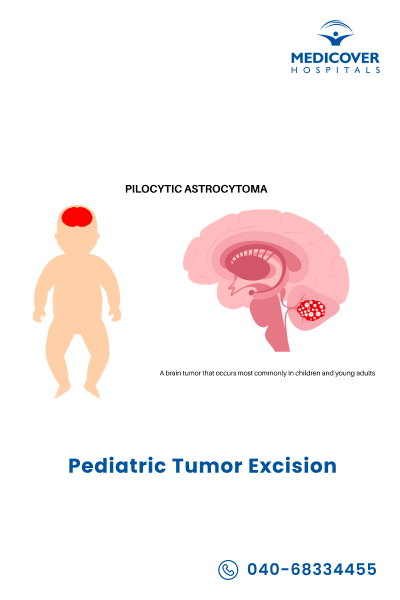
What are the indications for Tumor Excision in children?
Indications for tumor excision in children include:
- Malignant Tumors: Surgical removal is often indicated for cancerous tumors to prevent the spread of cancer cells.
- Benign Tumors causing Symptoms: Non-cancerous tumors might necessitate excision if they cause pain, obstruct organs, or affect normal bodily functions.
- Diagnostic Purpose: Excision may be done to obtain a tissue sample for definitive diagnosis, especially when less invasive methods are inconclusive.
- Cosmetic Reasons: Benign tumors that cause disfigurement or psychological distress might be removed.
- Risk of Malignancy: Some benign tumors may have the potential to become malignant, and prophylactic excision may be considered.
- Location Specific: Tumors near vital structures or organs, which may cause functional issues even if benign.
Each case requires careful evaluation by pediatric oncologists, surgeons, and other specialists to determine the best course of action. The child's overall health, age, type, size, location of the tumor, and other factors are considered when deciding on excision.
Who Needs Pediatric Tumor Excision?
This procedure is recommended when symptoms suggest the presence of a tumor that requires surgical removal.
Common symptoms that may indicate the need for tumor excision include:
- A noticeable lump or swelling anywhere on the body
- Persistent pain in a specific area
- Unexplained weight loss or fatigue
- Fever or recurrent infections without clear cause
- Changes in appetite or growth patterns
- Neurological symptoms (headaches, vomiting, seizures) for brain tumors
- Abdominal distension or digestive issues
- Difficulty moving a limb or loss of function near the tumor site
How to Prepare for Pediatric Tumor Excision Surgery?
Preparing for tumor excision surgery in pediatrics involves several key steps, undertaken with care and sensitivity due to the patient's young age:
- Preoperative Assessment: A thorough medical evaluation, including blood tests, imaging, and other diagnostic procedures, will be conducted to assess the child's overall health and the specifics of the tumor.
- Parental Communication: Open and clear communication with the parents or guardians is essential. They must fully understand the procedure, risks, and expectations, and provide informed consent.
- Fasting Guidelines: The child may be required to fast for several hours before the surgery to prevent complications related to anesthesia.
- Emotional Preparation: Both the child and the family may need emotional support and education about what to expect. Age-appropriate explanations, tours of the surgical area, or meetings with the surgical team can ease anxiety.
- Anesthesia Consultation: An anesthesiologist specializing in pediatrics will meet with the family to discuss the anesthesia plan and answer questions.
- Medication Review: Any current medications, allergies, or medical conditions must be thoroughly reviewed and managed in accordance with the surgery.
- Physical Preparation: Special preoperative bathing or other physical preparations may be required depending on the type and location of the tumor.
- Postoperative Planning: Discussing postoperative care, including pain management and recovery expectations, ensures that both child and family are prepared for what comes after surgery.
By combining medical preparation with emotional support and clear communication, the child's surgical team can foster a positive and successful surgical experience for both the child and the family.
What are Steps for a Pediatric Tumor Excision Procedure?
During pediatric tumor excision surgery, several critical stages are involved:
- Anesthesia: The child is given general anesthesia by a pediatric anesthesiologist, ensuring they are asleep and pain-free throughout the procedure.
- Positioning and Preparation: The surgical site is cleaned and sterilized, and the child is positioned to allow optimal access to the tumor.
- Incision: The surgeon makes a careful incision, considering the size and location of the tumor, along with cosmetic concerns.
- Tumor Removal: The tumor is excised with precision, often utilizing specialized instruments. Depending on the type of tumor and its malignancy, the surgeon will remove the entire tumor and sometimes a margin of surrounding tissue.
- Examination of Removed Tissue: The excised tissue may be sent for immediate analysis by a pathologist to ensure that all cancerous cells, if present, have been removed.
- Reconstruction (if needed): Depending on the location and extent of the surgery, reconstruction of the area may be required, using techniques that minimize scarring and functional impairment.
- Closure: The incision is carefully closed with sutures, staples, or other methods, prioritizing both function and appearance.
- Recovery: The child is moved to a recovery area where vital signs are closely monitored, and they are gradually awakened from anesthesia.
Throughout the surgery, a team of specialized healthcare providers, including pediatric surgeons, nurses, and anesthesiologists, work together to ensure the child's safety and the success of the procedure. The exact approach varies depending on the specific tumor and individual needs of the child.
How is the Recovery After Surgery?
Recovery after tumor excision in pediatrics is a critical phase that involves several components, tailored to the child's age, the type of tumor, and the specifics of the surgery:
- Immediate Postoperative Care: The child is closely monitored in a recovery room to ensure stable vital signs and manage any immediate postoperative pain or complications.
- Pain Management: Pediatric pain specialists may be involved in creating a pain management plan that keeps the child comfortable without over-reliance on medications.
- Wound Care: Instructions for caring for the incision site will be provided, including signs of infection to watch for.
- Physical Recovery: Depending on the tumor's location, physical or occupational therapy might be needed to help restore function and mobility.
- Emotional Support: Continued emotional support for the child and family is crucial, as the recovery process can be stressful.
- Follow-up Appointments: Regular check-ups with the surgical team will be required to monitor healing and address any concerns.
- Long-term Monitoring: If the tumor is malignant, ongoing follow-up with oncology specialists might be necessary to monitor for any signs of recurrence.
- Nutrition and Activity: Guidance on diet and activity levels will be provided, often gradually returning to normal eating and regular physical activity.
- School and Social Life: Depending on the child's needs, assistance and recommendations for reintegration into school and social activities may be provided.
- Family Education: Parents or caregivers are educated on signs of complications, medications, activity restrictions, and other home care needs.
- Psychological Care: Access to child psychologists or counselors might be necessary to help the child and family cope with the emotional aspects of recovery.
The recovery process after pediatric tumor excision requires a multidisciplinary approach, considering the child's physical, emotional, and developmental needs. Cooperation between healthcare providers, the child, and the family ensures the best possible recovery and long-term outcome.
Follow-up After the Tumor Excision Surgery
Follow-up after pediatric tumor excision is essential for the child's long-term health and recovery. Key components include:
- Regular Check-Ups: Regular visits with healthcare providers to monitor wound healing, detect complications or recurrence, and manage ongoing care needs.
- Surveillance for Malignant Tumors: For malignant tumors, follow-up might include imaging and lab tests to detect any signs of cancer returning.
- Therapies: Physical or occupational therapy may be necessary to help the child regain function.
- Support Services: Emotional and educational support may be provided to ensure a smooth transition back to normal life.
Follow-up care is customized to the individual child's needs and the nature of the tumor.
Benefits of Pediatric Tumor Excision
- Removes tumors that could be life-threatening or impair growth
- Reduces pain, discomfort, or organ dysfunction caused by tumor
- Improves chances of recovery and long-term health
- Can be combined with other treatments like chemotherapy or radiotherapy for better outcomes
- Prevents tumor recurrence or metastasis in malignant cases
Risks of Pediatric Tumor Excision
While generally safe, potential risks include:
- Bleeding during or after surgery
- Infection at the surgical site
- Damage to nearby organs or tissues
- Recurrence of tumor if excision is incomplete
- Anesthesia-related complications
- Postoperative pain and temporary functional limitations
How Much Does Pediatric Tumor Excision Cost in India?
- Standard Pediatric Excision: Rs. 1,50,000 - Rs. 4,00,000
- Complex or Malignant Tumor Cases: Rs. 4,00,000 - Rs. 8,00,000+
Costs vary depending on tumor complexity, hospital, surgeon expertise, and postoperative care requirements.
 040 68334455
 WhatsApp
 Patient Portal
 Home Care