 Call
Call Patient Reports
Pediatric Hepatitis Management Procedure at Medicover Hospitals
At Medicover Hospitals, our team of neonatologists, with qualifications like MD, DNB, and DM, manage pediatric hepatitis using advanced laparoscopic techniques. This approach ensures smaller incisions and reduced blood loss, contributing to a shorter hospital stay for young patients across India.
Expert Specialists
Yearly Treatments
Patient Satisfaction
What is Pediatric Hepatitis Management?
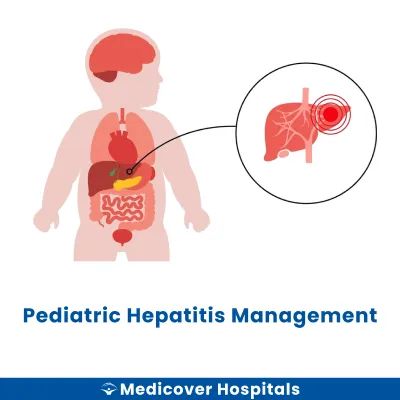
Pediatric Hepatitis Management involves the treatment and care of hepatitis in children. Hepatitis is an inflammation of the liver, an essential organ responsible for detoxifying the blood, producing proteins, and storing energy. This management includes medical therapies and lifestyle changes to support liver health and function.
This treatment is crucial for conditions like viral hepatitis, autoimmune hepatitis, or drug-induced liver injury. If left untreated, these conditions can lead to liver damage, cirrhosis, or even liver failure. Modern approaches to Pediatric Hepatitis Management include antiviral medications, immunosuppressive therapy, and in severe cases, liver transplantation. Early intervention is key to preventing long-term complications.
Pediatric Hepatitis Management Doctors Near You
Find expert neonatologists for pediatric hepatitis management at Medicover Hospitals across India. Choose your city and book a consultation to ensure your child's health is in capable hands.
Why Choose Medicover Hospitals for Pediatric Hepatitis Management?
Get a second opinion from trusted experts and makeconfident, informed decisions.
 Get Second Opinion
Complete Guide To Pediatric Hepatitis Management
Everything you need to know about the procedure, preparation, and recovery
Pediatric Hepatitis Management Procedure Indications
Pediatric Hepatitis Management is recommended when children present with signs of liver inflammation that do not improve with initial treatment. Early intervention helps prevent complications and supports liver health.
Persistent Jaundice
Children may experience yellowing of the skin and eyes. Doctors find elevated bilirubin levels in blood tests. If jaundice persists despite initial treatments, this procedure may be necessary.
Severe Abdominal Pain
Children often report intense pain in the upper right abdomen. Physical exams may reveal liver tenderness. When pain does not subside with medication, further management is needed.
Unexplained Fatigue
Children may feel unusually tired and weak. Blood tests can show abnormal liver enzyme levels. If fatigue persists and interferes with daily activities, this procedure may be recommended.
Swollen Abdomen
Parents may notice a swollen belly in their child. Doctors may detect fluid accumulation through imaging. If swelling continues despite diuretics, further intervention is required.
Abnormal Liver Function Tests
Routine tests might show elevated liver enzymes. If levels remain high despite dietary changes and medication, this procedure is considered to address underlying issues.
How to Prepare for Pediatric Hepatitis Management?
Proper preparation is crucial for effective pediatric hepatitis management. It ensures the safety and comfort of your child during treatment. Following the steps below can help streamline the process and improve outcomes.
- Medication Review: Stop NSAIDs, anticoagulants, and herbal supplements as advised by the doctor.
- Fasting Guidelines: Ensure your child fasts for at least 6 hours before the procedure if anaesthesia is required.
- Hydration: Encourage your child to drink clear fluids up to 2 hours before the procedure.
- Comfortable Clothing: Dress your child in loose, comfortable clothing for easy access and comfort.
- Transportation: Arrange for safe transport home post-procedure, as your child may feel drowsy.
- Medication List: Bring a list of your child's medications, including dosages, for the healthcare team.
- Emotional Support: Talk to your child about the procedure to ease anxiety and answer any questions.
- Follow Instructions: Adhere to any additional instructions provided by the healthcare team for specific preparations.
Pediatric Hepatitis Management procedure (Step-by-Step)
Pediatric hepatitis management is provided by experienced specialists from the Pediatrics department in collaboration with hepatology experts. The duration of treatment varies depending on the type and severity of hepatitis, and management usually involves medications, monitoring, and supportive care.
- Diagnosis: Blood tests and imaging studies are conducted to confirm hepatitis. The child may feel a slight pinch during blood draws.
- Medication Administration: Antiviral or supportive medications are prescribed. These are taken orally or intravenously, depending on the case. The child may experience mild discomfort with IV administration.
- Dietary Management: A nutritionist provides a diet plan to support liver health. Parents are guided on foods to include or avoid.
- Monitoring: Regular follow-ups are scheduled to monitor liver function and overall health. Blood tests are repeated as needed.
- Education and Support: Families receive education on managing symptoms and preventing transmission. Emotional support is also offered.
- Vaccination (if applicable): For certain types of hepatitis, vaccines may be administered. The child might feel a brief sting during the injection.
Who performs the pediatric hepatitis management procedure?
Pediatric hepatitis management is handled by skilled pediatricians and hepatologists. These specialists are trained to diagnose and manage liver conditions in children. They work closely with nutritionists and other healthcare professionals to provide comprehensive care.
Recovery After Pediatric Hepatitis Management Procedure
Recovery from pediatric hepatitis management involves careful monitoring and supportive care. Children may experience fatigue and need rest. Parents should ensure a balanced diet and follow medical advice for a smooth recovery.
Days 1-3:
- Rest is crucial. Encourage your child to take naps and avoid strenuous activities.
- Offer light meals like curd, dal-rice, and moong dal to support digestion.
- Hydration is important. Ensure they drink plenty of water and fresh fruit juices.
Days 4-7:
- Gradually reintroduce regular activities, but avoid sports or heavy exercise.
- Continue with a soft diet. Include khichdi and vegetable soups for nutrition.
- Monitor for any signs of fatigue or discomfort and adjust activities accordingly.
Phase 2 (Week 2-4):
- Children can start returning to school, but should avoid physical education classes.
- Maintain a balanced diet with plenty of proteins and vitamins. Include foods like paneer, boiled eggs, and fresh fruits.
- Regular follow-up appointments are necessary to monitor liver function.
When to Seek Urgent Help:
- Seek immediate medical attention if your child experiences severe abdominal pain, persistent vomiting, or jaundice.
- Watch for signs of confusion or unusual behaviour, which may indicate complications.
- If there is any bleeding or bruising, contact your healthcare provider promptly.
Benefits of Pediatric Hepatitis Management Procedure
Pediatric hepatitis management aims to control the infection and prevent complications in children. Early intervention can lead to better health outcomes.
- Improved Liver Function: Treatment helps restore liver function, reducing symptoms and improving overall health.
- Reduced Infection Spread: Proper management decreases the risk of transmitting the virus to others.
- Prevention of Complications: Early treatment can prevent long-term liver damage and associated health issues.
- Enhanced Quality of Life: Managing symptoms effectively allows children to lead more active and normal lives.
Risks and Complications of Pediatric Hepatitis Management Procedure
While pediatric hepatitis management is generally safe, it carries certain risks and potential complications. It's important to be aware of these possibilities.
- Common: Side effects from medications, such as nausea or fatigue.
- Common: Allergic reactions to prescribed drugs.
- Rare: Development of drug-resistant virus strains.
- Rare: Liver inflammation or worsening of liver function.
- Rare: Psychological effects, including mood changes or depression.
Cost of Pediatric Hepatitis Management Procedure
The cost of Pediatric Hepatitis Management in India typically ranges between INR 16,600 and over INR 1,700,000 annually, depending on the treatment approach, duration of hospital stay, room category, required diagnostics, medications, and ongoing follow-up care.
Medicover Hospitals ensures transparent pricing and offers support for insurance and TPAs, including CGHS, ESI, and major TPAs. A cashless facility is also available for convenience. Please contact the hospital for the latest insurance panel details, as these may change periodically.
Frequently Asked Questions
1. How much does Pediatric Hepatitis Management procedure cost at Medicover Hospitals?
The cost of Pediatric Hepatitis Management in India typically ranges between INR 16,600 and over INR 1,700,000 annually, depending on the treatment plan, diagnostics, medications, hospital care, and follow-up requirements. Please contact Medicover Hospitals for detailed pricing information.
2. Is Pediatric Hepatitis Management procedure covered under health insurance at Medicover?
Pediatric Hepatitis Management may be covered by CGHS, ESI, and major TPAs. Please contact the hospital for current panel details.
3. Can hepatitis affect my child's liver permanently?
Hepatitis can lead to liver damage if not managed properly. Early treatment is crucial to prevent long-term complications.
4. What lifestyle changes are needed after hepatitis treatment?
Post-treatment, a balanced diet including curd, dal-rice, and avoiding fatty foods is recommended. Regular follow-ups are essential for monitoring liver health.
5. Will my child experience jaundice during hepatitis?
Jaundice is a common symptom of hepatitis in children. It typically resolves with effective management and treatment.
6. Can my child attend school during hepatitis recovery?
School attendance depends on the severity of symptoms. Rest is often recommended until your child fully recovers.
7. Is liver biopsy necessary for diagnosing pediatric hepatitis?
A liver biopsy may be required for accurate diagnosis. It helps in assessing the extent of liver damage.
8. How do you treat hepatitis in children?
Treatment depends on the type of hepatitis. Most cases, especially hepatitis A, are managed with rest, hydration, proper nutrition, and supportive care. Chronic types like hepatitis B or C may require antiviral medications and regular monitoring by a specialist.
9. What are the early signs of hepatitis?
Early signs can include fatigue, loss of appetite, nausea, vomiting, mild fever, abdominal pain, and dark-colored urine. Some children may also develop yellowing of the eyes and skin (jaundice) later.
10. Which hepatitis is common in children?
Hepatitis A is the most common type in children, usually spread through contaminated food or water. It is often mild and self-limiting.
11. How serious is hepatitis in children?
Most cases, especially hepatitis A, are mild and recover completely. However, some forms like hepatitis B or C can become chronic and may lead to long-term liver problems if not properly managed.


