 Call
Call Patient Reports
Patent Ductus Arteriosus Device Closure Procedure Hospital at Medicover Hospitals
Patent Ductus Arteriosus Device Closure at Medicover Hospitals is performed using minimally invasive techniques by skilled cardiologists with DM and DNB qualifications. This approach ensures smaller incisions and reduced blood loss, leading to a shorter hospital stay for patients across India.
Expert Surgeons
Yearly Surgeries
Patient Satisfaction
What is Patent Ductus Arteriosus Device Closure?
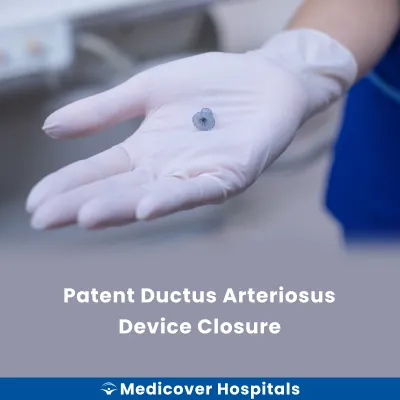
Patent Ductus Arteriosus Device Closure is a medical procedure to correct a heart defect. The ductus arteriosus is a blood vessel connecting the pulmonary artery to the aorta. In some newborns, this vessel fails to close naturally after birth. This condition is known as Patent Ductus Arteriosus (PDA). The procedure involves placing a device to seal the open vessel, allowing normal blood flow.
This surgery is needed when PDA leads to heart problems or lung damage. If untreated, it can cause heart failure or other complications. Conditions like premature birth often lead to PDA. Modern approaches include minimally invasive catheter-based techniques. These methods reduce recovery time and improve outcomes. Early intervention is crucial for preventing long-term health issues.
Patent Ductus Arteriosus Device Closure Doctors Near You
Discover skilled cardiologists for Patent Ductus Arteriosus Device Closure at Medicover Hospitals across India. Choose your city and book a consultation to receive expert care for your heart condition.
Why Choose Medicover Hospitals for Patent Ductus Arteriosus Device Closure?
Get a second opinion from trusted experts and makeconfident, informed decisions.
 Get Second Opinion
Complete Guide To Patent Ductus Arteriosus Device Closure
Everything you need to know about the procedure, preparation, and recovery
Patent Ductus Arteriosus Device Closure procedure Indications
Doctors recommend Patent Ductus Arteriosus (PDA) Device Closure when the ductus arteriosus fails to close naturally after birth. This procedure is advised to prevent complications associated with PDA.
Heart Murmur
Patients may experience a heart murmur, often detected during a routine check-up. Doctors hear an abnormal sound between heartbeats using a stethoscope. If the murmur persists and conservative treatments like medication do not help, device closure may be recommended.
Respiratory Distress
Some infants show signs of breathing difficulties, such as rapid breathing or fatigue during feeding. Doctors may find increased blood flow to the lungs on imaging tests. If these symptoms worsen and do not improve with medication, the procedure becomes necessary.
Failure to Thrive
Infants with PDA may not gain weight as expected. This is often accompanied by poor feeding and irritability. Growth charts and physical exams reveal inadequate growth. When nutritional support and medications fail, device closure is considered.
Congestive Heart Failure
Symptoms include swelling, difficulty breathing, and fatigue. Doctors may detect an enlarged heart or fluid in the lungs through imaging. If these symptoms persist despite medical management, surgical intervention is advised.
Increased Risk of Infections
Patients may experience recurrent respiratory infections. Blood tests and imaging can show signs of infection. If infections are frequent and severe, and antibiotics are ineffective, device closure is recommended to reduce risk.
How to Prepare for Patent Ductus Arteriosus Device Closure?
Proper preparation for Patent Ductus Arteriosus Device Closure is crucial to ensure a smooth procedure and recovery. It helps minimize risks and enhances the effectiveness of the treatment.
- Medication Review: Discuss all medications with your doctor. Stop NSAIDs, anticoagulants, and herbal supplements as advised.
- Fasting Guidelines: Follow the fasting instructions carefully. Typically, avoid food and drink for at least 6-8 hours before the procedure.
- Pre-Procedure Tests: Complete any required blood tests or imaging studies as scheduled by your healthcare provider.
- Clothing Choice: Wear loose, comfortable clothing on the day of the procedure for ease and comfort.
- Transportation Arrangement: Arrange for someone to drive you home after the procedure, as you may feel drowsy from anaesthesia.
- Medication List: Bring a list of all medications you are taking, including dosages, to the hospital.
- Health Status Update: Inform your doctor of any changes in your health, such as fever or infections, before the procedure.
- Pre-Procedure Instructions: Follow any specific instructions given by your doctor, such as avoiding certain activities or foods.
Patent Ductus Arteriosus Device Closure procedure (Step-by-Step)
Overview: This procedure is performed by Heart treatment specialists. It typically lasts 1 to 2 hours. General anesthesia is used to ensure the patient is asleep and comfortable throughout.
- Preparation: The patient is positioned on the operating table. Vital signs are monitored. An intravenous line is inserted for medication administration.
- Accessing the Artery: A small incision, about 1-2 cm, is made in the groin area. A catheter is inserted into the femoral artery using a guidewire.
- Catheter Navigation: The catheter is carefully guided through the blood vessels to reach the heart. Real-time imaging, such as fluoroscopy, helps in accurate navigation.
- Device Deployment: Once the catheter reaches the ductus arteriosus, a closure device is deployed. The device is released to block the abnormal blood flow between the aorta and pulmonary artery.
- Securing the Device: The position of the device is checked using imaging. Adjustments are made if necessary to ensure it is securely placed.
- Catheter Removal: The catheter is gently withdrawn. The incision site is closed with sutures or adhesive strips to promote healing.
- Recovery: The patient is moved to a recovery area. Monitoring continues as the anaesthesia wears off. Most patients can go home within a day.
Who Performs Patent Ductus Arteriosus Device Closure procedure?
This procedure is performed by interventional cardiologists. They specialise in minimally invasive techniques to treat heart conditions. Their expertise ensures precise device placement and patient safety.
Recovery After Patent Ductus Arteriosus Device Closure procedure
Recovery from a Patent Ductus Arteriosus (PDA) Device Closure procedure is generally smooth, with most patients resuming normal activities within a few weeks. It's important to follow the doctor's advice for a safe and effective recovery.
Day 1-3:
- Rest is crucial. Avoid strenuous activities.
- Expect mild discomfort at the catheter insertion site.
- Stick to a light diet. Include easily digestible foods like curd, dal-rice, and soups.
Day 4-7:
- Gradually increase light activities like walking.
- Continue with a balanced diet. Add khichdi and moong dal to your meals.
- Monitor for any signs of infection at the insertion site.
Day 8-14:
- Most patients can return to school or work, depending on the nature of the activity.
- Avoid heavy lifting or intense physical activities.
- Maintain a nutritious diet to support healing.
Phase 3 (Week 3 and Beyond):
- Resume normal activities as advised by your doctor.
- Regular follow-up appointments are essential to monitor recovery.
- Continue a healthy diet to maintain overall well-being.
When to Seek Urgent Help:
- Fever or signs of infection at the catheter site.
- Severe chest pain or difficulty breathing.
- Persistent bleeding or swelling at the insertion site.
- Unusual fatigue or dizziness.
Benefits of Patent Ductus Arteriosus Device Closure procedure
The Patent Ductus Arteriosus (PDA) Device Closure is a minimally invasive procedure that offers several benefits for patients with PDA.
- Improved Heart Function: Helps restore normal blood flow, reducing strain on the heart.
- Quick Recovery: Minimally invasive nature allows for faster recovery compared to open-heart surgery.
- Reduced Symptoms: Alleviates symptoms such as breathlessness and fatigue.
- Lower Infection Risk: Less invasive approach reduces the risk of post-procedure infections.
Risks and Complications of Patent Ductus Arteriosus Device Closure procedure
While generally safe, the PDA Device Closure procedure carries certain risks and potential complications.
- Common: Minor bleeding or bruising at the catheter insertion site.
- Common: Temporary arrhythmias or irregular heartbeats.
- Rare: Device migration or displacement requiring further intervention.
- Rare: Allergic reactions to contrast dye or materials used.
- Rare: Blood clots forming around the device.
- Rare: Infection at the site of the procedure.
Cost of Patent Ductus Arteriosus Device Closure procedure
The cost of the Patent Ductus Arteriosus Device Closure procedure at Medicover Hospitals ranges from Rs. 120180 to Rs. 170780. The price varies based on the ward category chosen, such as general, private, or deluxe. Medicover Hospitals offers transparent pricing, and supports insurance and TPA options, including CGHS, ESI, and major TPAs. A cashless facility is also available for added convenience. Please contact the hospital for the latest insurance panel details as these may change periodically.
Frequently Asked Questions
1. How much does Patent Ductus Arteriosus Device Closure procedure cost at Medicover Hospitals?
The cost of Patent Ductus Arteriosus Device Closure ranges from Rs. 120180 to Rs. 170780 across Medicover Hospitals, depending on the room type.
2. Is Patent Ductus Arteriosus Device Closure procedure covered under health insurance at Medicover?
Yes, it is typically covered by CGHS, ESI, and major TPAs with cashless options. Please contact the hospital for current panel details.
3. Will my child need oxygen support after PDA closure?
Oxygen support is usually not needed after the procedure. However, close monitoring is done to ensure normal breathing patterns.
4. Can my child play sports after PDA closure?
Children can usually resume normal activities, including sports, within a few weeks. It is important to follow the doctor's advice on activity levels.
5. Will my child experience chest pain post-PDA closure?
Mild discomfort or chest pain may occur initially. It usually resolves quickly, but consult your doctor if it persists.
6. What diet should my child follow after PDA closure?
A balanced diet with soft foods like dal-rice, khichdi, and curd is recommended initially. Gradually introduce regular foods as advised by the doctor.
7. Can PDA reoccur after device closure?
Reoccurrence is rare after successful device closure. Regular follow-ups are essential to monitor heart health and ensure complete recovery.


