 Call
Call Patient Reports
Advanced Packed Red Blood Cell Transfusion Procedure Hospital
Packed Red Blood Cell Transfusion at Medicover Hospitals is performed using the open surgical approach. Our Hematologists, with an MBBS and MD in Pathology, ensures precise procedures. This method often results in reduced blood loss, enhancing patient recovery across India.
Expert Specialists
Yearly Treatments
Patient Satisfaction
What is Packed Red Blood Cell Transfusion?
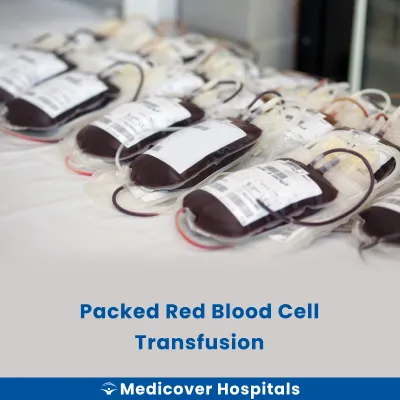
Packed Red Blood Cell Transfusion is a medical procedure where concentrated red blood cells are given to a patient. This involves the circulatory system, specifically the blood. The transfusion helps increase the red blood cell count, which is crucial for carrying oxygen throughout the body. It is often used when a person has low haemoglobin levels.
This procedure is needed for conditions like severe anaemia, blood loss from surgery or injury, and certain medical disorders. If untreated, these conditions can lead to fatigue, weakness, and organ damage. Modern approaches for Packed Red Blood Cell Transfusion include careful cross-matching and compatibility testing to ensure patient safety. These methods help prevent adverse reactions during the transfusion process.
Packed Red Blood Cell Transfusion Doctors Near You
Discover skilled hematologists for packed red blood cell transfusions at Medicover Hospitals across India. Choose your city and book a consultation to discuss your needs with our specialists.
Why Choose Medicover Hospitals for Packed Red Blood Cell Transfusion?
Get a second opinion from trusted experts and makeconfident, informed decisions.
 Get Second Opinion
Complete Guide To Packed Red Blood Cell Transfusion
Everything you need to know about the procedure, preparation, and recovery
Packed Red Blood Cell Transfusion procedure Indications
Packed Red Blood Cell (PRBC) transfusion is recommended by hematologists when a patient has low red blood cell levels. This procedure helps increase oxygen delivery to tissues and alleviate symptoms caused by anaemia or blood loss.
Severe Anaemia
Patients may experience fatigue, weakness, and shortness of breath. Blood tests show low haemoglobin levels. When oral iron supplements or dietary changes fail to improve these symptoms, PRBC transfusion is considered.
Acute Blood Loss
Symptoms include rapid heartbeat, dizziness, and pale skin. Doctors find low haemoglobin and haematocrit levels in blood tests. If bleeding is significant and not controlled by other means, transfusion becomes necessary.
Chronic Kidney Disease
Patients often feel tired and have difficulty concentrating. Blood tests reveal low erythropoietin levels and anaemia. When erythropoiesis-stimulating agents are insufficient, PRBC transfusion is advised.
Surgical Blood Loss
Patients may experience low blood pressure and increased heart rate during surgery. Monitoring shows a drop in haemoglobin levels. When blood loss is substantial and not managed by other methods, transfusion is needed.
Bone Marrow Disorders
Symptoms include frequent infections and easy bruising. Blood tests show low red blood cell counts. When medications or other treatments do not improve blood counts, PRBC transfusion is recommended.
Cancer-Related Anaemia
Patients report fatigue and reduced exercise tolerance. Lab results indicate low haemoglobin due to chemotherapy. When other treatments fail to correct anaemia, transfusion is considered.
How to Prepare for Packed Red Blood Cell Transfusion?
Proper preparation ensures a smooth and safe transfusion process. It helps in minimizing risks and enhancing recovery.
- Medication Review: Stop NSAIDs, anticoagulants, and herbal supplements as advised by your doctor.
- Fasting Guidelines: If anaesthesia is required, fast for at least 6-8 hours before the procedure.
- Hydration: Drink plenty of water unless instructed otherwise to ensure good vein access.
- Clothing: Wear loose, comfortable clothing for easy access to the arm for transfusion.
- Transportation: Arrange for someone to drive you home after the procedure.
- Medication List: Bring a list of your current medications with dosages for reference.
- Health Monitoring: Inform the medical team about any recent illnesses or infections.
- Relaxation: Practice relaxation techniques to stay calm during the procedure.
Packed Red Blood Cell Transfusion procedure (Step-by-Step)
This procedure is performed by hematologists. It typically takes 1-2 hours. No anaesthesia is required as it is a non-surgical procedure.
- Preparation: The patient's blood type is matched with the donor blood. Vital signs are checked. A small needle is inserted into a vein, usually in the arm.
- Blood Bag Setup: The packed red blood cells are prepared in a sterile blood bag. The bag is connected to an intravenous (IV) line using a sterile connector.
- Initiation of Transfusion: The IV line is attached to the needle in the patient's vein. The transfusion begins slowly to monitor for any immediate reactions.
- Monitoring: The patient is closely monitored for any signs of allergic reactions or complications. Vital signs are checked regularly.
- Completion: Once the transfusion is complete, the IV line is removed. The needle is taken out, and a small bandage is applied to the site.
- Post-Transfusion Observation: The patient is observed for a short period to ensure there are no delayed reactions. Instructions for post-transfusion care are provided.
Who Performs Packed Red Blood Cell Transfusion procedure?
This procedure is typically performed by hematology doctors or trained medical professionals. They have expertise in blood disorders and transfusion medicine. Their role is crucial in ensuring the safety and effectiveness of the transfusion process.
Recovery After Packed Red Blood Cell Transfusion procedure
After a Packed Red Blood Cell Transfusion, most patients experience a quick recovery. It's common to feel more energetic as the increased red blood cells improve oxygen delivery throughout the body. However, some may experience mild side effects.
Day 1:
- Rest is crucial. Avoid strenuous activities.
- Stay hydrated. Drink plenty of water.
- Eat light meals. Opt for easily digestible foods like curd and dal-rice.
Day 2-3:
- Continue with light activities. Short walks are beneficial.
- Include iron-rich foods in your diet, such as spinach and beetroot.
- Consume protein-rich meals like moong dal and soups to aid recovery.
Day 4-7:
- Gradually resume normal activities. Avoid heavy lifting.
- Return to work or school if feeling well.
- Maintain a balanced diet. Include khichdi and fresh fruits.
Phase 2 (Week 2 and beyond):
- Most can fully return to daily routines.
- Continue with a nutritious diet to maintain energy levels.
- Regular follow-up appointments may be necessary.
When to Seek Urgent Help
If you experience any of the following symptoms, contact your healthcare provider immediately:
- Fever or chills
- Shortness of breath or chest pain
- Severe headache or dizziness
- Unusual swelling or rash
Benefits of Packed Red Blood Cell Transfusion procedure
Packed Red Blood Cell (PRBC) transfusion is a medical procedure that helps restore adequate blood levels in patients. It offers several benefits:
- Increased Oxygen Delivery: PRBC transfusion enhances the oxygen-carrying capacity of the blood, improving tissue oxygenation.
- Improved Haemoglobin Levels: It helps raise haemoglobin levels in patients with anaemia or significant blood loss.
- Support During Surgery: PRBC transfusion is crucial during surgeries to replace lost blood and maintain stability.
- Enhanced Recovery: It aids in faster recovery for patients with chronic blood disorders or acute blood loss.
Risks and Complications of Packed Red Blood Cell Transfusion procedure
While PRBC transfusion is generally safe, it carries certain risks and complications:
- Common: Allergic reactions, ranging from mild to severe, can occur during or after the transfusion.
- Common: Fever or chills may develop as a reaction to the transfused blood.
- Rare: Transfusion-related acute lung injury (TRALI) is a serious but uncommon complication.
- Rare: Transmission of infections, although blood screening reduces this risk significantly.
- Rare: Iron overload can occur with repeated transfusions, affecting organs over time.
- Rare: Haemolytic reactions, where the body attacks the transfused red blood cells, may happen.
Cost of Packed Red Blood Cell Transfusion procedure
The cost of a Packed Red Blood Cell Transfusion procedure can vary Rs.1000 to Rs.10000 based on several factors such as the surgical approach, duration of hospital stay, room category, required diagnostics, and post-operative care.
At Medicover Hospitals, we ensure transparent pricing for all procedures. We offer support for insurance and TPA, including CGHS, ESI, and major TPAs, with a cashless facility available for your convenience. Please contact the hospital for the latest insurance panel details as these may change periodically.
Frequently Asked Questions
1. How much does Packed Red Blood Cell Transfusion procedure cost at Medicover Hospitals?
The cost of a Packed Red Blood Cell Transfusion can vary Rs.1000 to Rs.
2. Please contact Medicover Hospitals for detailed pricing information. 2. Is Packed Red Blood Cell Transfusion procedure covered under health insurance at Medicover?
Many insurance plans, including CGHS and ESI, may cover this procedure. Please contact the hospital for current panel details.
3. Can I experience an allergic reaction during transfusion?
Yes, some patients may experience allergic reactions during a Packed Red Blood Cell Transfusion. Symptoms can include itching, rash, or fever.
4. How soon can I resume normal activities post-transfusion?
Most patients can resume normal activities within a day after a Packed Red Blood Cell Transfusion. However, follow your doctor's advice for specific guidance.
5. Will I need to follow a special diet after transfusion?
A balanced diet including curd, dal-rice, and fruits is recommended post-transfusion. Avoid alcohol and caffeine for a few days.
6. What are common complications of this transfusion?
Common complications include fever, chills, or mild allergic reactions. Severe reactions are rare but require immediate medical attention.
7. Can I donate blood after receiving a transfusion?
After a Packed Red Blood Cell Transfusion, you may need to wait several months before donating blood. Consult your doctor for specific guidelines.
8. What is the 4-hour rule for blood transfusions?
The 4-hour rule means a unit of blood should be transfused within 4 hours of being removed from controlled storage. This helps reduce the risk of bacterial growth and ensures the blood remains safe to use.
9. What is the biggest risk of blood transfusion?
The most serious risk is a transfusion reaction, especially an acute hemolytic reaction caused by blood type mismatch. Although rare, it can be life-threatening and requires immediate medical attention.


