 Call
Call Patient Reports
Best Hospital for Open Surgical Cystectomy with Advanced Ovarian Care
Open Surgical Cystectomy at Medicover Hospitals is performed by experienced gynecologists with qualifications like MS, DNB, and FMAS. This procedure involves the removal of ovarian cysts through an open surgical approach. Patients often experience reduced recovery time and improved outcomes following the surgery.
Expert Surgeons
Yearly Surgeries
Patient Satisfaction
What is Open Surgical Cystectomy?
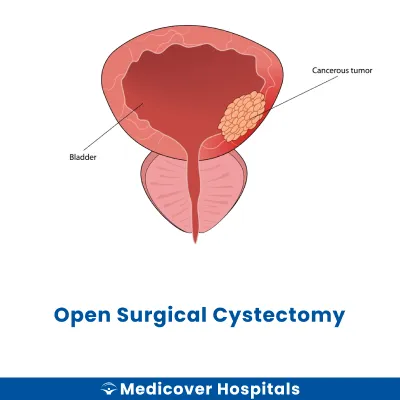
Open Surgical Cystectomy is a procedure to remove the urinary bladder. The urinary bladder is an organ that stores urine. In this surgery, a large incision is made in the abdomen to access and remove the bladder. This traditional approach is used when other methods are not suitable.
This surgery is often needed for bladder cancer or severe bladder dysfunction. If these conditions are left untreated, they can lead to serious health issues. These include kidney damage or the spread of cancer. Modern surgical approaches include laparoscopic cystectomy and robotic-assisted cystectomy. These methods offer less invasive options with potentially quicker recovery times.
Open Surgical Cystectomy Doctors Near You
Find experienced gynecologists for open surgical cystectomy at Medicover Hospitals across India. Choose your city and book a consultation to discuss your treatment options with our specialists.
Why Choose Medicover Hospitals for Open Surgical Cystectomy?
Get a second opinion from trusted experts and makeconfident, informed decisions.
 Get Second Opinion
Complete Guide To Open Surgical Cystectomy
Everything you need to know about the procedure, preparation, and recovery
Open Surgical Cystectomy Surgery Indications
Doctors may recommend open surgical cystectomy when ovarian cysts cause significant symptoms or complications. This procedure is considered when less invasive treatments are ineffective or when the cysts pose a risk to health.
Severe Pelvic Pain
Patients often experience intense pelvic pain that does not improve with medication. On examination, doctors may find large or complex cysts on imaging tests. When pain persists despite conservative treatments, surgery is advised.
Persistent Ovarian Cysts
Some patients have cysts that do not resolve over time. Ultrasound or MRI may show cysts that remain unchanged or grow larger. If watchful waiting and medication fail, surgical removal is necessary.
Risk of Ovarian Torsion
Patients may report sudden, severe abdominal pain and nausea. Doctors might detect an enlarged ovary or abnormal blood flow on Doppler ultrasound. Surgery is required to prevent or address torsion.
Suspected Malignancy
Imaging may reveal cysts with irregular borders or solid areas, raising suspicion of cancer disease. Elevated tumour markers in blood tests may also be present. Surgery is crucial for diagnosis and treatment.
Ruptured Cyst
Sudden sharp pain and internal bleeding are common symptoms. Ultrasound may show fluid in the pelvis. When conservative management is insufficient, surgery is needed to control bleeding and remove cyst remnants.
How to Prepare for Open Surgical Cystectomy?
Proper preparation for an open surgical cystectomy is crucial to ensure a smooth procedure and recovery. Following the guidelines helps minimize risks and complications.
- Medication Review: Stop NSAIDs, anticoagulants, and herbal supplements at least a week prior. Consult your doctor for specific instructions.
- Fasting Guidelines: Do not eat or drink anything for at least 8 hours before the surgery to prepare for anaesthesia.
- Bowel Preparation: Follow the prescribed bowel prep regimen to clear the intestines, if advised by your surgeon.
- Clothing: Wear loose, comfortable clothing on the day of surgery for ease of changing and comfort post-operation.
- Transportation: Arrange for someone to drive you home after the procedure, as you will not be able to drive yourself.
- Medication List: Bring a list of all medications you are currently taking, including dosages, to share with the medical team.
- Pre-Surgery Instructions: Follow any additional instructions provided by your healthcare team to ensure a successful surgery.
- Hydration: Stay well-hydrated in the days leading up to the surgery, unless otherwise directed.
Open Surgical Cystectomy Surgery (Step-by-Step)
Open Surgical Cystectomy is performed by gynecologists. The procedure typically lasts 1-2 hours and is done under general anaesthesia.
- Preparation: The patient is placed under general anaesthesia. The surgical area is cleaned and sterilized.
- Incision: A 5-10 cm incision is made in the lower abdomen to access the cyst.
- Exposure: The surgeon carefully moves aside surrounding tissues to expose the cyst. Instruments like retractors are used for better visibility.
- Cyst Removal: The cyst is carefully separated from the surrounding tissue. A harmonic scalpel or bipolar cautery may be used to minimize bleeding.
- Inspection: The area is inspected for any remaining cyst tissue. The surgeon ensures complete removal to prevent recurrence.
- Closure: The incision is closed with sutures or staples. The area is then dressed with a sterile bandage.
- Recovery: The patient is moved to a recovery room. Vital signs are monitored as they wake from anaesthesia.
Who Performs Open Surgical Cystectomy Surgery?
Open Surgical Cystectomy is performed by gynecologists. These specialists are trained in diagnosing and surgically treating conditions related to the female reproductive system. They use specific instruments and techniques to ensure effective cyst removal.
Recovery After Open Surgical Cystectomy Surgery
Recovery from open surgical cystectomy can take several weeks. It involves gradual healing and regaining strength. Patients should follow their doctor's advice for a smooth recovery.
Day 1-3:
- Hospital stay is common. Pain management and monitoring are essential.
- Start with a liquid diet. Gradually introduce soft foods like soups and dal-rice.
- Rest is crucial. Avoid any physical exertion.
Day 4-7:
- Continue with a soft diet. Include curd, khichdi, and moong dal for easy digestion.
- Begin gentle walking as advised by the doctor to improve circulation.
- Avoid lifting heavy objects or strenuous activities.
Week 2-4:
- Gradually return to normal diet. Focus on balanced meals with plenty of fluids.
- Increase activity levels slowly. Walking is encouraged, but avoid intense exercise.
- Most patients can resume work or school by the end of this phase, depending on their recovery and type of work.
Phase 2 (Week 5-8):
- Continue to eat a balanced diet. Include fibre-rich foods to prevent constipation.
- Resume normal activities as comfort allows. Follow any specific restrictions from your doctor.
- Regular follow-up appointments are important to monitor recovery.
When to Seek Urgent Help:
- Fever over 100F or chills.
- Severe abdominal pain or swelling.
- Persistent nausea or vomiting.
- Signs of infection at the incision site, such as redness or pus.
- Difficulty urinating or blood in urine.
Benefits of Open Surgical Cystectomy Surgery
Open surgical cystectomy is a procedure to remove cysts, often providing relief from symptoms and preventing complications.
- Symptom Relief: Alleviates pain and discomfort caused by cysts.
- Prevention of Complications: Reduces the risk of cyst rupture or infection.
- Thorough Removal: Allows for complete removal of the cyst and surrounding tissue if necessary.
- Pathological Examination: Enables detailed analysis of the cyst to rule out malignancy.
Risks and Complications of Open Surgical Cystectomy Surgery
Like any surgical procedure, open surgical cystectomy carries certain risks and potential complications.
- Infection at the surgical site.
- Bleeding during or after the procedure.
- Pain and discomfort post-surgery.
- Damage to surrounding organs or tissues.
- Blood clots forming in the legs or lungs.
- Adverse reactions to anaesthesia.
What is the Cost of Open Surgical Cystectomy Surgery?
The cost of Open Surgical Cystectomy Surgery at Medicover Hospitals ranges from Rs. 60,000 to Rs. 162,000. The price varies based on the ward category chosen, such as general, twin sharing, private, and deluxe options. We offer transparent pricing to ensure clarity for our patients.
Insurance and TPA support is available, with acceptance of CGHS, ESI, and major TPAs. A cashless facility is also offered for your convenience. Please contact the hospital for the latest insurance panel details as these may change periodically.
Frequently Asked Questions
1. How much does Open Surgical Cystectomy cost?
The cost of Open Surgical Cystectomy at Medicover Hospitals ranges from Rs. 60,000 to Rs. 162,000, depending on the type of room and care.
2. Is Open Surgical Cystectomy covered under insurance?
Open Surgical Cystectomy may be covered by CGHS, ESI, and major TPAs for cashless treatment. Please contact the hospital for current panel details.
3. Will I need a catheter after cystectomy?
Yes, a catheter is often required temporarily post-surgery to aid in bladder drainage and healing. Your doctor will advise when it can be removed.
4. Can I develop urinary incontinence post-cystectomy?
Urinary incontinence can occur after cystectomy due to changes in bladder function. Discuss potential management strategies with your healthcare provider.
5. What foods should I avoid after cystectomy?
Post-surgery, avoid spicy foods and opt for bland meals like dal-rice and khichdi. Curd can be included for digestive comfort.
6. Will I experience changes in urination post-surgery?
Yes, changes in urination patterns, including frequency and urgency, are common after cystectomy. Consult your doctor if symptoms persist.
7. Can cysts reappear after surgical removal?
While cysts are removed during surgery, new ones can potentially form. Regular follow-ups with your doctor are important to monitor any recurrence.


