 Call
Call Patient Reports
Best Hospital for Open Optic Nerve Decompression Surgery with Advanced Neurosurgical Care
At Medicover Hospitals, we provide expert open optic nerve decompression surgery performed by experienced neurosurgeons and neuro-ophthalmologists. This procedure helps relieve pressure on the optic nerve to prevent vision loss and improve outcomes. Using advanced surgical techniques and modern operation theatres, we ensure safe treatment, minimal complications, and faster recovery. Our team offers personalized care and continuous monitoring for the best results.
Expert Surgeons
Yearly Surgeries
Patient Satisfaction
What is Open Optic Nerve Decompression?
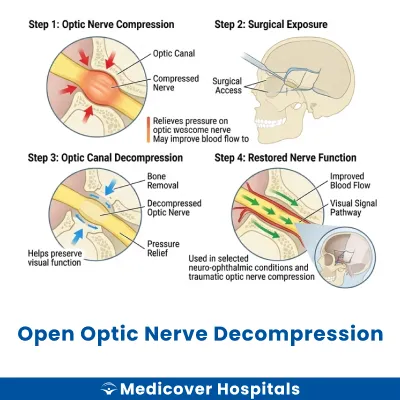
Open Optic Nerve Decompression is a surgical procedure aimed at relieving pressure on the optic nerve. The optic nerve is a crucial part of the eye that transmits visual information from the retina to the brain. During this procedure, surgeons remove bone or other tissues compressing the optic nerve, allowing it to function better.
This surgery is often needed for conditions like optic nerve compression due to trauma, tumours, or inflammation. If left untreated, such conditions can lead to vision loss or blindness. Modern surgical approaches for Open Optic Nerve Decompression include microsurgical techniques and endoscopic methods. These techniques aim to minimise complications and improve recovery time.
Open Optic Nerve Decompression Doctors Near You
Discover experienced Neurosurgeons for open optic nerve decompression at Medicover Hospitals across India. Choose your city and book a consultation to explore treatment options tailored to your needs.
Why Choose Medicover Hospitals for Open Optic Nerve Decompression Surgery?
Get a second opinion from trusted experts and makeconfident, informed decisions.
 Get Second Opinion
Complete Guide To Open Optic Nerve Decompression
Everything you need to know about the procedure, preparation, and recovery
Open Optic Nerve Decompression Surgery Indications
Doctors recommend open optic nerve decompression surgery when there is pressure on the optic nerve affecting vision. This procedure is considered when non-surgical treatments do not relieve symptoms or prevent further vision loss.
Progressive Vision Loss
Patients may experience a gradual decline in vision clarity. Doctors may find optic nerve swelling or compression on imaging tests. Surgery is considered when vision continues to deteriorate despite medication or other therapies.
Severe Optic Nerve Swelling
Patients often report blurred vision or visual field defects. Examination may reveal significant swelling of the optic nerve. When swelling does not reduce with medication, surgery may be necessary to relieve pressure.
Traumatic Optic Neuropathy
Following head trauma, patients might experience sudden vision loss. Imaging may show optic nerve damage or compression. If vision does not improve with conservative management, surgery is considered.
Orbital Tumours
Patients may notice vision changes or eye bulging. Scans can reveal tumours pressing on the optic nerve. Surgery is recommended if the tumour causes significant pressure and vision impairment.
Chronic Sinusitis with Optic Nerve Involvement
Patients might suffer from persistent sinus infections and vision issues. Imaging may show sinus disease affecting the optic nerve. Surgery is an option when antibiotics and other treatments fail.
How to Prepare for Open Optic Nerve Decompression?
Proper preparation is crucial for the success and safety of open optic nerve decompression. It helps minimise complications and ensures a smoother recovery process.
- Medication Review: Stop NSAIDs, anticoagulants, and herbal supplements at least a week before surgery.
- Fasting Guidelines: Fast for 8 hours before the procedure to ensure anaesthesia safety.
- Pre-Surgery Tests: Complete any required blood tests or imaging studies as advised by your doctor.
- Personal Items: Wear loose, comfortable clothing on the day of surgery.
- Transportation: Arrange for someone to drive you home post-surgery.
- Medication List: Bring a list of all medications with dosages to the hospital.
- Nasal Preparation: Use prescribed nasal sprays if instructed by your doctor.
- Smoking and Alcohol: Avoid smoking and alcohol for at least 48 hours before surgery.
Open Optic Nerve Decompression Surgery (Step-by-Step)
Open optic nerve decompression is performed by experienced specialists from the Neurosurgery department. The procedure usually takes 2-3 hours and is carried out under general anaesthesia.
- Preparation: The patient is placed under general anaesthesia. The surgical area is cleaned and sterilized.
- Incision: A small incision, about 3-4 cm, is made near the eye or the skull base to access the optic nerve.
- Exposure: The surgeon uses retractors to gently move aside tissues and gain clear access to the optic nerve.
- Decompression: Using a curette or similar instrument, the surgeon carefully removes bone or tissue compressing the optic nerve.
- Inspection: The area is inspected to ensure the optic nerve is free from pressure. Bipolar cautery may be used to control any bleeding.
- Closure: The incision is closed with sutures, and a sterile dressing is applied to protect the area.
- Recovery: The patient is moved to a recovery room to wake up from anaesthesia, with vital signs closely monitored.
Who Performs Open Optic Nerve Decompression Surgery?
This surgery is performed by skilled neurosurgeons who specialise in treating conditions affecting the brain and nervous system. They have the expertise to handle delicate structures like the optic nerve.
Recovery After Open Optic Nerve Decompression Surgery
Recovery from open optic nerve decompression surgery requires careful attention to ensure proper healing and to avoid complications. Patients should follow their doctor's advice closely and attend all follow-up appointments.
Day 1-3:
- Rest is crucial. Avoid any strenuous activities.
- Keep your head elevated to reduce swelling.
- Stick to a soft diet. Include foods like curd, dal-rice, and soups.
Day 4-7:
- Gradually resume light activities as advised by your doctor.
- Continue with a nutritious diet. Add moong dal and khichdi for easy digestion.
- Monitor for any unusual symptoms and maintain hygiene to prevent infections.
Week 2-4:
- Most patients can start returning to work or school, depending on their recovery progress.
- Avoid heavy lifting and strenuous exercises.
- Regular follow-ups are essential to monitor healing.
Phase 2 (Month 2-3):
- Gradually increase physical activities as per medical advice.
- Continue eating a balanced diet to support recovery.
- Vision improvements may continue during this period.
When to Seek Urgent Help
- Sudden vision loss or severe eye pain.
- Persistent headache or nausea.
- Signs of infection such as fever or unusual discharge.
If you experience any of these symptoms, contact your healthcare provider immediately.
Benefits of Open Optic Nerve Decompression Surgery
Open optic nerve decompression surgery can alleviate pressure on the optic nerve, potentially improving vision and reducing symptoms.
- Vision Improvement: This procedure may enhance visual acuity by relieving pressure on the optic nerve.
- Symptom Relief: It can reduce symptoms such as eye pain and headaches associated with optic nerve compression.
- Prevent Further Damage: By addressing the compression, it may prevent further deterioration of vision.
- Improved Quality of Life: Patients may experience a better quality of life with reduced symptoms and improved vision.
Risks and Complications of Open Optic Nerve Decompression Surgery
While the surgery can be beneficial, it carries certain risks and potential complications.
- Common: Infection at the surgical site.
- Common: Bleeding during or after the procedure.
- Rare: Damage to the optic nerve, potentially worsening vision.
- Rare: Cerebrospinal fluid leak, which may require additional treatment.
- Rare: Reaction to anaesthesia used during the surgery.
- Rare: Swelling or inflammation around the surgical area.
Cost of Open Optic Nerve Decompression Surgery
The cost of Open Optic Nerve Decompression Surgery at Medicover Hospitals ranges from Rs. 170000 to Rs. 405000. The price varies depending on the ward category chosen, such as general, twin sharing, private, or ICU.
We offer transparent pricing and support for insurance and TPA, including CGHS, ESI, and major TPAs. A cashless facility is also available for your convenience. Please contact the hospital for the latest insurance panel details as these may change periodically.
Frequently Asked Questions
1. How much does Open Optic Nerve Decompression surgery cost at Medicover Hospitals?
The cost ranges from Rs. 170000 to Rs. 405000 depending on the type of room and care provided at Medicover Hospitals.
2. Is Open Optic Nerve Decompression surgery covered under health insurance at Medicover?
Yes, it may be covered by CGHS, ESI, and major TPAs. Please contact the hospital for current panel details.
3. Will my vision improve immediately after surgery?
Vision improvement may take several weeks post-surgery. Regular follow-ups are crucial to monitor progress and address any concerns.
4. Can I drive after Open Optic Nerve Decompression?
Driving is not recommended immediately after surgery. Wait for your doctor's approval, usually after a few weeks, based on recovery.
5. What foods should I avoid after Open Optic Nerve Decompression?
Avoid spicy and oily foods post-surgery. Opt for light meals like curd, dal-rice, and khichdi to aid recovery.
6. Will I experience headaches after Open Optic Nerve Decompression?
Some patients may experience mild headaches post-surgery. These usually subside with proper medication and rest.
7. Can optic nerve damage recur after decompression?
While rare, recurrence of optic nerve issues can occur. Regular check-ups are essential to monitor and manage any potential complications.
8. What is the recovery time for optic nerve decompression surgery?
Recovery usually takes about 2 to 6 weeks, depending on the patient’s condition and extent of surgery. Initial healing occurs within a couple of weeks, but full visual recovery may take longer and varies from person to person.
9. How serious is nerve decompression surgery?
Nerve decompression surgery is considered a moderate to major procedure, as it involves relieving pressure on a nerve to prevent permanent damage. It requires precision and is typically performed by experienced specialists.
10. How risky is orbital decompression surgery?
Orbital decompression surgery is generally safe when performed by skilled surgeons, but like any surgery, it carries risks such as bleeding, infection, double vision, or vision changes. Serious complications are uncommon but possible.
11. What is the success rate of optic nerve surgery?
The success rate is generally 70% to 90%, especially when performed early. Outcomes depend on the underlying condition, severity of nerve damage, and how quickly treatment is provided.


