 Call
Call Patient Reports
Best Hospital for Open Incisional Hernia Repair Surgery with Expert Care
Open Incisional Hernia Repair at Medicover Hospitals is performed by skilled general surgeons with qualifications like MS, DNB, and FMAS. This surgical approach involves a direct incision to repair the hernia. Patients often experience a shorter hospital stay due to this effective procedure.
Expert Surgeons
Yearly Surgeries
Patient Satisfaction
What is Open Incisional Hernia Repair?
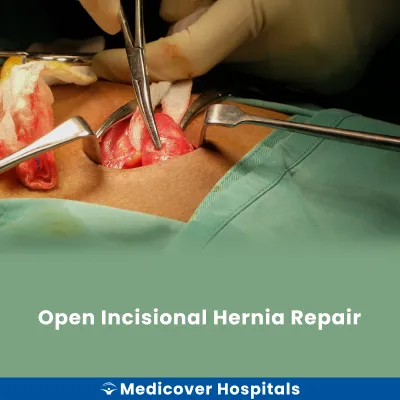
Open Incisional Hernia Repair is a surgical procedure to fix hernias that occur at the site of a previous surgical incision. This involves the abdominal wall, where a weakness or gap allows tissues or organs, like the intestine, to protrude. The surgeon makes an incision to access and repair the hernia, often using sutures or mesh to reinforce the area.
This surgery is needed when a hernia develops after abdominal surgery. Factors like obesity, infection, or poor healing can contribute. If untreated, the hernia can grow or lead to complications like bowel obstruction. Modern approaches include using synthetic mesh for reinforcement, which provides additional support and reduces recurrence risk.
Open Incisional Hernia Repair Doctors Near You
Find skilled general-surgeons for open incisional hernia repair at Medicover Hospitals across India. Choose your city and book a consultation to discuss your treatment options.
Why Choose Medicover Hospitals for Open Incisional Hernia Repair?
Get a second opinion from trusted experts and makeconfident, informed decisions.
 Get Second Opinion
Complete Guide To Open Incisional Hernia Repair
Everything you need to know about the procedure, preparation, and recovery
Open Incisional Hernia Repair Surgery Indications
Doctors recommend open incisional hernia repair when a hernia develops at the site of a previous surgical incision. This procedure is often considered when symptoms become severe or complications arise, making surgical intervention necessary.
Persistent Pain and Discomfort
Patients may experience ongoing pain and discomfort at the site of the hernia. This pain can worsen with physical activity or when lifting heavy objects. When pain persists despite conservative treatments like pain medication or lifestyle changes, surgery may be recommended.
Visible Bulge at the Surgical Site
A noticeable bulge at the site of a previous surgical incision is a common sign of an incisional hernia. If this bulge increases in size or becomes more prominent over time, it may indicate the need for surgical repair.
Intestinal Obstruction
Symptoms such as nausea, vomiting, and inability to pass gas or stools can suggest an intestinal obstruction due to the hernia. Imaging tests like X-rays or CT scans may confirm this. Surgery is often required when conservative measures fail to relieve the obstruction.
Hernia Enlargement
If the hernia continues to grow, it can lead to increased discomfort and risk of complications. Doctors may recommend surgery if the hernia size increases significantly, as observed during physical exams or imaging studies.
Failed Non-Surgical Treatments
When non-surgical treatments such as wearing a supportive belt or making lifestyle changes do not alleviate symptoms or prevent hernia progression, surgery becomes the next step. This is especially true if the hernia affects daily activities.
How to Prepare for Open Incisional Hernia Repair?
Proper preparation is crucial for a smooth Open Incisional Hernia Repair. It helps minimise complications and ensures a faster recovery.
- Medication Review: Stop NSAIDs, anticoagulants, and herbal supplements as advised by your doctor.
- Fasting: Do not eat or drink anything for at least 8 hours before the surgery.
- Bowel Preparation: Follow any bowel prep instructions given by your surgeon to ensure a clear surgical area.
- Comfortable Clothing: Wear loose, comfortable clothing to the hospital for ease after the procedure.
- Transportation: Arrange for someone to drive you home post-surgery, as you may feel groggy.
- Medication List: Bring a list of all medications with dosages for the medical team to review.
- Pre-Surgery Hygiene: Take a shower the night before or the morning of the surgery to reduce infection risk.
- Rest Well: Ensure a good night's sleep before the surgery to help your body prepare.
Open Incisional Hernia Repair Surgery (Step-by-Step)
Overview: This surgery is performed by general surgeons. It typically lasts 1-2 hours. General anaesthesia is commonly used, ensuring the patient is asleep and pain-free.
- Preparation: The patient is positioned on the operating table. The surgical area is cleaned and sterilised.
- Incision: A 3-6 cm incision is made over the hernia site. This allows access to the herniated tissue.
- Exposure: The surgeon uses retractors to hold back the skin and tissues. This provides a clear view of the hernia.
- Hernia Repair: The herniated tissue is gently pushed back into place. A mesh may be used to strengthen the abdominal wall.
- Closure: Sutures or staples close the incision. The surgeon ensures the area is secure to prevent recurrence.
- Dressing: A sterile dressing covers the incision. This protects against infection and aids healing.
- Recovery: The patient is moved to a recovery room. Vital signs are monitored as they wake from anaesthesia.
Who Performs Open Incisional Hernia Repair Surgery?
General surgeons perform this procedure. They have expertise in abdominal surgeries and are skilled in using instruments like retractors and sutures. Their training ensures they can manage the complexities of hernia repair effectively.
Recovery After Open Incisional Hernia Repair Surgery
Recovery from open incisional hernia repair surgery involves gradual healing and lifestyle adjustments. Patients can expect some discomfort initially, but following medical advice can aid a smooth recovery.
Day 1-3:
- Rest is crucial. Avoid strenuous activities.
- Stick to a liquid diet initially. Include broths and clear soups.
- Manage pain with prescribed medications.
Day 4-7:
- Gradually introduce soft foods like khichdi, dal-rice, and curd.
- Continue avoiding heavy lifting and bending.
- Short walks are encouraged to improve circulation.
Day 8-14:
- Increase activity levels slowly, but avoid strenuous exercises.
- Incorporate easily digestible foods like moong dal and soft vegetables.
- Most patients can resume light work or school activities by the end of this period.
Phase 3 (Week 3-6):
- Gradually resume normal diet, focusing on balanced meals.
- Engage in light exercises, but avoid heavy lifting.
- Regular follow-up appointments to monitor healing.
When to Seek Urgent Help
- Severe pain not relieved by medication.
- Redness, swelling, or discharge from the incision site.
- Fever or chills indicating possible infection.
- Difficulty breathing or chest pain.
Benefits of Open Incisional Hernia Repair Surgery
Open incisional hernia repair is a surgical procedure aimed at correcting hernias that occur at the site of a previous surgical incision.
- Effective Repair: Provides a direct approach to repair the hernia, reducing the risk of recurrence.
- Strengthens Abdominal Wall: Reinforces the weakened area, improving abdominal wall integrity.
- Immediate Relief: Alleviates symptoms like pain and discomfort associated with hernias.
- Suitable for Large Hernias: Particularly beneficial for repairing large or complex hernias.
Risks and Complications of Open Incisional Hernia Repair Surgery
While generally safe, open incisional hernia repair carries certain risks and potential complications.
- Infection at the surgical site may occur, requiring additional treatment.
- Pain and swelling in the operated area are typical post-surgery effects.
- Damage to surrounding organs or tissues can happen during the procedure.
- Blood clots may form, posing a risk of complications.
- Anaesthesia-related complications, though uncommon, can occur.
- Recurrence of the hernia, necessitating further intervention.
What is the Cost of Open Incisional Hernia Repair Surgery?
The cost of Open Incisional Hernia Repair Surgery at Medicover Hospitals ranges from Rs. 60,000 to Rs. 1,62,000. The price varies depending on the ward category chosen, such as day care, general, private, or deluxe. Medicover Hospitals offers transparent pricing and supports insurance and TPA services, including CGHS, ESI, and major TPAs. Cashless facilities are also available for a hassle-free experience. Please contact the hospital for the latest insurance panel details as these may change periodically.
Frequently Asked Questions
1. How much does Open Incisional Hernia Repair surgery cost at Medicover Hospitals?
The cost of Open Incisional Hernia Repair surgery ranges from Rs. 60,000 to Rs. 1,62,000 across Medicover Hospitals.
2. Is Open Incisional Hernia Repair surgery covered under health insurance at Medicover?
Open Incisional Hernia Repair surgery may be covered by CGHS, ESI, and major TPAs, offering cashless options. Please contact the hospital for current panel details.
3. Will my digestion be affected after hernia repair?
Post-surgery, you might experience temporary digestive changes. Eating soft foods like curd and dal-rice can aid in smoother digestion.
4. Can I lift heavy objects after hernia repair?
Avoid lifting heavy objects for at least 6 weeks post-surgery. This helps prevent strain on the repaired area and ensures proper healing.
5. Will I feel pain around the incision site?
Some discomfort or pain around the incision site is normal initially. Pain typically subsides within a few weeks with proper care and medication.
6. Is there a risk of hernia recurrence?
There is a small risk of hernia recurrence even after repair. Following post-operative guidelines reduces this risk significantly.
7. What lifestyle changes are needed after hernia repair?
Adopt a balanced diet and avoid strenuous activities initially. Gradually incorporate light exercises to strengthen the abdominal area.


