What is Oncological Reconstruction?
Oncological reconstruction is a surgical procedure that restores appearance and function after cancer surgery. It involves repairing or rebuilding areas affected by cancer removal, such as the breast, head and neck, oral cavity, skin, or limbs.
This surgery not only improves physical appearance but also helps patients regain confidence, speech, swallowing, and mobility after cancer treatment.
Oncological reconstruction surgery is a multidisciplinary approach that involves collaborating with oncologists, plastic surgeons, general surgeons, and other medical professionals to address each patient's specific needs.
Types of Oncological Reconstructions
Oncological reconstructions are chosen based on the type of cancer and the extent of tissue removal.
Oncological Breast Reconstruction
- Breast reconstruction is one of the most common forms of oncological reconstruction. It restores the natural shape, size, and symmetry of the breast after a mastectomy or partial breast removal.
- This may involve the use of implants, fat grafting, or autologous tissue flaps (where tissue is taken from another part of the body).
Head and Neck Reconstructive Surgery
- Cancers in the head and neck region often require removal of parts of the face, jaw, or throat. Reconstructive surgery in this area helps restore facial structure, preserve speech, and improve swallowing functions.
- Surgeons may use skin grafts, bone reconstruction, or advanced microsurgical flaps to recreate missing structures.
Oral Cancer Reconstructive Surgery
- Oral cancers may affect the jawbone, tongue, palate, or gums. After removal of the tumor, reconstructive surgery is performed to restore the oral cavity and ensure that patients can chew, speak, and swallow properly.
- Depending on the severity, this may involve bone grafts, dental implants, or tissue transfers.
Skin Cancer Reconstructive Surgery
- Skin cancers often require removal of large areas of skin, especially when they occur on the face, scalp, or extremities.
- Reconstructive techniques such as skin grafting, local flaps, or tissue expansion are used to cover wounds and achieve a more natural appearance.
Limb Salvage and Reconstruction
- When bone or soft tissue cancers affect the arms or legs, surgeons may need to remove a large portion of bone or muscle.
- Limb salvage surgery focuses on preserving the limb instead of resorting to amputation.
- Advanced reconstruction with bone grafts, metal implants, or muscle flaps allows patients to retain mobility, strength, and independence.
Reconstructive Microsurgery in Cancer Patients
- Microsurgery involves the use of high-powered microscopes and delicate instruments to transfer tissues such as skin, muscle, or bone from one part of the body to another.
- This technique is especially valuable in complex cancer cases where large or deep defects need repair.
- Free flaps with their own blood supply are commonly used, allowing precise reconstruction that restores both form and function.
- Microsurgery is considered the gold standard in many advanced oncological reconstructions.
3-8 Hours
Surgery Duration
General Anesthesia
Anesthesia Used
4-6 Weeks
Full Recovery Timeline
When is Oncological Reconstruction Recommended?
Oncological reconstruction is advised when cancer treatment leaves physical or functional challenges. It is recommended for patients who:
It is particularly valuable for patients who have undergone mastectomy and want breast reconstruction to restore body symmetry and self-esteem.
- It is also crucial for individuals with oral cancers who struggle with speech or swallowing after tumor removal, as reconstructive surgery can help rebuild the tongue, jaw, or palate.
- In cases of head and neck cancers, reconstruction restores facial balance and supports breathing and swallowing functions.
- Patients undergoing limb salvage after bone or soft tissue cancers are also candidates for reconstruction, as these procedures allow them to keep their limbs and regain mobility.
Additionally, reconstructive surgery is often suggested for patients left with visible scars, disfigurement, or functional limitations after their primary cancer treatment.
How to Prepare for Oncological Reconstruction?
Preparing carefully before surgery increases safety and makes recovery smoother. Patients and families should work closely with their healthcare team to understand the process and follow all medical advice.
- Medical Evaluation & Tests: A complete health assessment is done before the procedure. This usually includes blood tests, heart and lung function checks, and imaging scans to map the affected area. These tests help doctors plan the safest surgical approach and reduce possible risks.
- Lifestyle Adjustments: Patients are often asked to stop smoking at least a few weeks before surgery, as nicotine reduces blood flow and delays wound healing.
- Home Preparation: Getting the home ready makes recovery easier once discharged. Arrange support for daily activities and prepare recovery essentials.
- Day Before Surgery: On the day before surgery, patients usually need to stop eating and drinking after midnight. A shower or antiseptic bath may be recommended to lower infection risks.
- Day of Surgery: On the day of surgery, patients should arrive without makeup, lotions, or jewellery, as these may interfere with monitoring devices or the sterile environment in the operating room.
What Happens During Oncological Reconstruction?
The exact procedure depends on the cancer type and location, but most reconstructions follow a general sequence of steps:
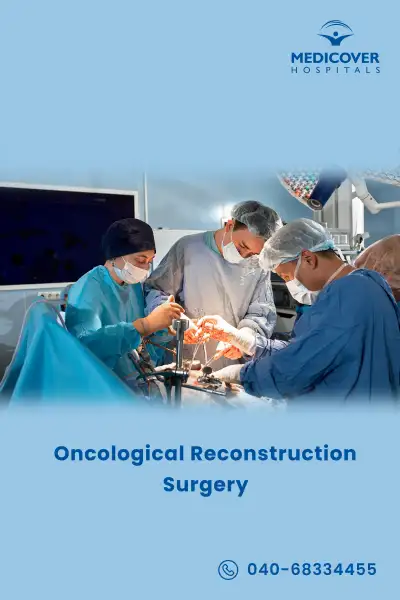
- Preparation & Anesthesia: Before surgery begins, the medical team prepares the patient and administers general anesthesia. This ensures the patient remains asleep and pain-free throughout the operation.
- Incision / Access Point: Surgeons create carefully planned incisions at or near the cancer-affected site. The size and placement of the incision depend on both the tumor removal and the reconstruction method chosen.
- Main Reconstruction: This may include local tissue flaps, where nearby skin and muscle are repositioned, skin grafts from other body parts, or microsurgery, which uses tiny blood vessels to transfer tissues. In some cases, implants may be placed to rebuild structure and appearance.
- Closure of the Surgical Site: After reconstruction, surgeons close the incisions with sutures or special surgical adhesives. The closure is done with precision to promote healing, minimize scarring, and support the stability of the reconstructed area.
- Recovery Room: Once surgery is complete, the patient is moved to a recovery unit or ICU for close observation. Heart rate, breathing, and blood pressure are continuously monitored, and nurses check the surgical site for signs of bleeding or infection.
Medical Professionals Who Treat Oncological Reconstructions
Here are the critical medical professionals who play a role in treating oncological reconstructions:
- Surgical Oncologist: A surgical oncologist performs cancer-related surgeries, including tumour removal. They work closely with reconstructive surgeons to plan and execute procedures that may require cancer removal and subsequent reconstruction.
- Plastic and Reconstructive Surgeon: Plastic surgeons with expertise in reconstructive techniques are instrumental in performing the actual reconstruction surgeries. They are skilled in various procedures to restore form and function, such as tissue flaps, grafts, and microsurgery.
- Medical Oncologist: Medical oncologists specialize in non-surgical cancer treatments, such as chemotherapy and targeted therapies. They contribute to the treatment plan and collaborate with the surgical team to ensure coordinated care.
- Radiation Oncologist: Radiation oncologists specialize in radiation therapy for cancer treatment. They may be involved in cases where radiation therapy impacts the reconstruction process or when reconstruction is performed after radiation treatment.
- Dermatologist: Dermatologists play a role in cases of skin cancer reconstruction, especially when the surgery involves the removal of skin lesions. They work with reconstructive surgeons to ensure optimal aesthetic and functional outcomes.
- Head and Neck Surgeon: Head and neck surgeons specialize in surgeries involving the head, neck, and upper respiratory and digestive tracts. They contribute to the reconstruction of facial features and functions after cancer removal.
- Orthopedic Surgeon: Orthopedic surgeons may be involved in cases of bone cancer or soft tissue sarcoma, where reconstruction of bones, joints, and limbs is required.
- Urologist and Gynecologist: For cases involving urinary or reproductive organs, urologists or gynaecologists may be interested in the reconstruction process to restore function and quality of life.
- Anesthesiologist: Anesthesiologists are critical in ensuring patients are safely anaesthetized during surgery. Their expertise contributes to a smooth surgical experience.
What to Expect After Oncological Reconstruction?
Recovery is different for each patient, depending on the type of cancer surgery and the reconstruction performed. Healing occurs in phases and requires both patience and active participation in care.
First Few Days After Surgery
- During the first days, it is normal to experience pain, swelling, and reduced mobility. Pain medications are given regularly, and nurses provide wound care to prevent infection.
- Patients may also receive breathing exercises and gentle physiotherapy if required.
Weeks 2 to 4
- By the second and third week, swelling starts to decrease and mobility improves.
- Stitches or staples may be removed, and patients can slowly return to light activities such as walking indoors, writing, or using electronic devices.
Weeks 5-6
- Most patients return to daily life with restrictions on heavy lifting or strenuous activities.
The surgical site continues to strengthen during this period, and scar management techniques may be introduced.
3-12 Months
- Long-term healing with restored appearance and improved functionality.
- Regular follow-up visits help monitor healing, address complications, and provide guidance on long-term care.
Benefits of Oncological Reconstruction
Oncological reconstruction offers both physical and emotional benefits:
- Restores body image and self-confidence: Reconstruction helps patients regain a natural appearance after cancer surgery. This often reduces feelings of self-consciousness and improves self-esteem in both personal and social interactions.
- Improves speech, swallowing, or limb function: For cancers affecting the head, neck, or limbs, reconstruction can restore vital functions. Patients may notice clearer speech, easier swallowing, or improved limb movement, allowing them to perform everyday activities more comfortably.
- Enhances quality of life after cancer treatment: Beyond physical results, reconstruction supports mental health. It helps patients feel more comfortable in public, reconnect socially, and recover emotionally from the challenges of cancer treatment.
- Better overall quality of life: When physical function and self-image are improved, patients often report a higher quality of life. They can return to work, enjoy hobbies, and participate in family activities with greater confidence and independence.
Risks of Oncological Reconstruction
Like any major surgery, oncological reconstructions carry risks:
- Infection at the surgical site: Despite strict safety protocols, there remains a risk of infection. This can slow healing and may require antibiotics or additional medical care.
- Blood clots or delayed healing: Some patients, especially those with underlying conditions, may experience slow wound healing. There is also a chance of blood clots, which require prompt attention to avoid complications.
- Tissue rejection or flap failure in microsurgery: In microsurgical procedures where tissue is transplanted, the new tissue may not receive proper blood flow. This can lead to partial or complete flap failure, requiring further intervention.
- Scarring or asymmetry: Even after a successful surgery, patients may notice visible scars or unevenness in reconstructed areas. While these can often be improved later with corrective procedures, they remain a possibility.
Cost of Oncological Reconstruction in India
The cost of oncological reconstruction surgery varies depending on the type (breast, oral, skin, or head & neck), surgeon's expertise, and hospital facilities. On average, it ranges from Rs. 1,50,000 to Rs. 6,00,000. To know accurate pricing, please call Medicover Hospital's customer support.
 040 68334455
 WhatsApp
 Patient Portal
 Home Care