 Call
Call Patient Reports
Oesophageal Varices Banding Procedure Hospital with Advanced Gastro Care
At Medicover Hospitals, our experienced team of gastroenterologists, including those with DM and DNB qualifications, perform endoscopic oesophageal varices banding. This minimally invasive procedure helps manage variceal bleeding effectively, often resulting in shorter hospital stays for patients across India.
Expert Specialists
Yearly Treatments
Patient Satisfaction
What is Oesophageal Varices Banding?
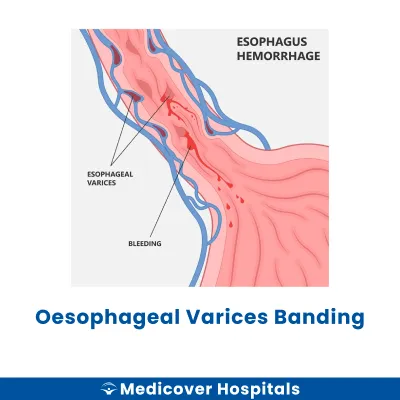
Oesophageal varices banding is a medical procedure used to treat swollen veins (varices) in the oesophagus, the tube connecting the throat to the stomach. This procedure involves placing small rubber bands around the base of the varices. It helps to stop bleeding and reduce the risk of future bleeding episodes.
This surgery is needed when varices develop due to liver disease, such as cirrhosis. If left untreated, these swollen veins can rupture, leading to life-threatening bleeding. Oesophageal varices banding is a modern, minimally invasive approach. It is often performed using endoscopy, where a flexible tube with a camera is inserted through the mouth to access the oesophagus. This allows for precise treatment without open surgery.
Oesophageal Varices Banding Doctors Near You
Find skilled gastroenterologists-medical for oesophageal varices banding at Medicover Hospitals across India. Choose your city and book a consultation to address your health needs effectively.
Why Choose Medicover Hospitals for Oesophageal Varices Banding?
Get a second opinion from trusted experts and makeconfident, informed decisions.
 Get Second Opinion
Complete Guide To Oesophageal Varices Banding
Everything you need to know about the procedure, preparation, and recovery
Oesophageal Varices Banding Procedure Indications
Doctors recommend oesophageal varices banding when there is a risk of bleeding from enlarged veins in the oesophagus. This procedure is often advised to prevent or treat bleeding in patients with liver conditions.
Acute Variceal Bleeding
Patients may experience vomiting of blood or black stools. On examination, doctors find active bleeding from varices. When medications and endoscopic treatments fail, banding is necessary to control the bleeding.
Recurrent Variceal Bleeding
Some patients have repeated episodes of bleeding despite initial treatment. Endoscopy reveals enlarged veins that are prone to rupture. Banding is recommended when other interventions do not prevent recurrence.
Large Varices Detected on Endoscopy
Patients might not have symptoms yet, but endoscopy shows large varices. These are at high risk of bleeding. Banding is advised to prevent future bleeding episodes.
Failure of Non-Invasive Treatments
Patients may initially receive medications to reduce portal pressure. If these do not shrink the varices or prevent bleeding, banding becomes the next step.
Severe Liver Disease with Varices
In advanced liver disease, patients often develop varices. Imaging and lab tests show significant liver damage. Banding is recommended when varices are likely to bleed.
Please contact the hospital for current details as insurance panels may change.
How to Prepare for Oesophageal Varices Banding?
Proper preparation for oesophageal varices banding is crucial to ensure a smooth procedure and recovery. It helps minimise risks and enhances the effectiveness of the treatment.
- Medication Review: Stop NSAIDs, anticoagulants, and herbal supplements as advised by your doctor to reduce bleeding risk.
- Fasting Guidelines: Do not eat or drink anything for at least 8 hours before the procedure to prepare for anaesthesia.
- Medical History: Bring a list of all medications with dosages, including over-the-counter drugs and supplements.
- Clothing: Wear loose, comfortable clothing on the day of the procedure for ease and comfort.
- Transportation: Arrange for someone to drive you home post-procedure as you may feel drowsy from anaesthesia.
- Health Conditions: Inform your doctor about any existing health conditions like diabetes or hypertension.
- Allergies: Notify the medical team of any known allergies, especially to medications or anaesthesia.
- Pre-Procedure Tests: Complete any required blood tests or imaging studies as instructed by your healthcare provider.
Oesophageal Varices Banding Procedure (Step-by-Step)
This procedure is performed by medical gastroenterologists. It typically takes 30-60 minutes. Local anaesthesia is commonly used.
- Preparation: The patient lies on their side. A mouth guard is placed to protect the teeth.
- Endoscope Insertion: An endoscope, a flexible tube with a camera, is gently inserted through the mouth into the oesophagus. The patient may feel slight pressure.
- Identification: The gastroenterologist carefully examines the oesophagus. They identify the varices using the endoscope's camera.
- Banding: A band ligator device is passed through the endoscope. Bands are placed around the varices. This cuts off blood supply, causing them to shrink.
- Final Inspection: The gastroenterologist checks the banded areas. They ensure all varices are treated. The endoscope is then withdrawn.
- Recovery: The patient is monitored for a short period. They may experience a sore throat or mild discomfort.
Who Performs Oesophageal Varices Banding Procedure?
This procedure is performed by gastroenterologists. They specialise in diagnosing and treating gastrointestinal conditions. Their expertise ensures the procedure is done safely and effectively.
Recovery After Oesophageal Varices Banding Procedure
Recovery from an oesophageal varices banding procedure involves careful monitoring and gradual resumption of normal activities. Patients can expect some discomfort and dietary adjustments during the recovery period.
Day 1-3:
- Rest is crucial. Avoid strenuous activities.
- Stick to a liquid diet. Include clear soups and broths.
- Monitor for any immediate complications like severe pain or bleeding.
Day 4-7:
- Gradually introduce soft foods like curd, dal-rice, and khichdi.
- Continue avoiding spicy and hard foods to prevent irritation.
- Light activities can be resumed, but avoid heavy lifting.
Week 2:
- Introduce more solid foods such as moong dal and soft vegetables.
- Resume normal activities, but listen to your body and rest as needed.
- Most patients can return to work or school by the end of this week.
Phase 3-4 Weeks:
- Return to a normal diet, but maintain a balanced and healthy intake.
- Regular follow-up appointments are essential to monitor healing.
- Engage in regular physical activities, avoiding excessive strain.
When to Seek Urgent Help:
- Severe chest or abdominal pain.
- Vomiting blood or black, tarry stools.
- Difficulty swallowing or breathing.
- Fever or signs of infection.
Benefits of Oesophageal Varices Banding Procedure
Oesophageal varices banding is a procedure aimed at preventing bleeding in patients with varices.
- Prevention of Bleeding: It significantly reduces the risk of bleeding from varices.
- Minimally Invasive: The procedure is performed endoscopically, avoiding major surgery.
- Quick Recovery: Patients often experience a faster recovery compared to surgical options.
- Effective Management: It helps in managing portal hypertension-related complications.
Risks and Complications of Oesophageal Varices Banding Procedure
While generally safe, oesophageal varices banding carries certain risks and complications.
- Mild discomfort or pain in the throat post-procedure.
- Temporary difficulty in swallowing.
- Bleeding from the site of banding.
- Infection at the banding site.
- Ulceration or scarring in the oesophagus.
- Band slippage or migration.
Cost of Oesophageal Varices Banding Procedure
The cost of the oesophageal varices banding procedure at Medicover Hospitals typically ranges from Rs.10,000 to Rs.40,000, depending on the surgical approach, duration of hospital stay, room category, required diagnostics, and post-operative care.
At Medicover Hospitals, we ensure transparent pricing for all procedures. We offer insurance and TPA support, accepting CGHS, ESI, and major TPAs. A cashless facility is also available for your convenience. Please contact the hospital for the latest insurance panel details as these may change periodically.
Frequently Asked Questions
1. How much does Oesophageal varices banding procedure cost at Medicover Hospitals?
The cost of the Oesophageal varices banding procedure ranges from Rs.10,000 to Rs.40,
2. Please contact Medicover Hospitals for detailed pricing information. 2. Is Oesophageal varices banding procedure covered under health insurance at Medicover?
Oesophageal varices banding may be covered by CGHS, ESI, and major TPAs. Please contact the hospital for current panel details.
3. Can oesophageal varices recur after banding?
Yes, oesophageal varices can recur after banding. Regular follow-up is essential to monitor and manage any recurrence.
4. Will I need to avoid certain foods after banding?
Yes, avoid spicy and hard foods post-procedure. Opt for soft foods like curd, dal-rice, and khichdi to ease recovery.
5. How soon can I return to normal activities?
Most patients can resume normal activities within a week. However, avoid strenuous activities for a few weeks to ensure proper healing.
6. What are the risks of bleeding after banding?
Bleeding is a potential risk after banding. Immediate medical attention is required if you experience vomiting blood or black stools.
7. Will I need regular check-ups after the procedure?
Yes, regular check-ups are crucial to monitor the oesophagus. This helps in early detection and management of any complications.


