 Call
Call Patient Reports
Octreotide Therapy for Pancreatic Neuroendocrine Tumors Procedure by Expert Oncologists
Octreotide therapy for pancreatic neuroendocrine tumors at Medicover Hospitals is performed using advanced techniques like laparoscopic surgery. Our team, with qualifications such as MS, DNB, MCh, and DM, ensures precise treatment. This approach often results in smaller incisions and reduced blood loss.
Expert Specialists
Yearly Treatments
Patient Satisfaction
What is Octreotide Therapy for Pancreatic Neuroendocrine Tumors?
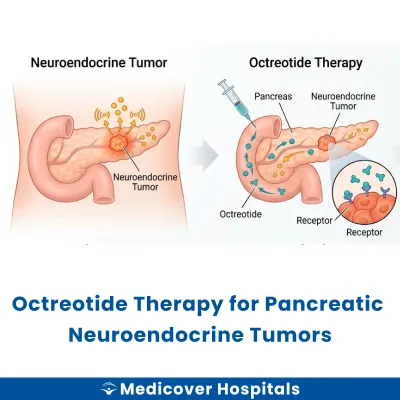
Octreotide Therapy is a medical treatment for Pancreatic Neuroendocrine Tumors (PNETs). The pancreas, an organ in the abdomen, is involved. Octreotide is a synthetic version of somatostatin, a hormone that regulates various bodily functions. It helps control symptoms and slows tumor growth by inhibiting hormone secretion from the tumors.
This therapy is needed for managing PNETs, which can cause hormonal imbalances and related symptoms. If left untreated, these tumors may grow and spread, leading to complications. Conditions like hormone overproduction and tumor growth necessitate this treatment. Modern approaches include targeted drug delivery and minimally invasive procedures. These methods aim to effectively manage the condition and improve quality of life.
Octreotide Therapy for Pancreatic Neuroendocrine Tumors Doctors Near You
Discover experienced oncologists for octreotide therapy for pancreatic neuroendocrine tumors at Medicover Hospitals. Choose your city and book a consultation to explore treatment options near you.
Why Choose Medicover Hospitals for Octreotide Therapy for Pancreatic Neuroendocrine Tumors?
Get a second opinion from trusted experts and makeconfident, informed decisions.
 Get Second Opinion
Complete Guide To Octreotide Therapy For Pancreatic Neuroendocrine Tumors
Everything you need to know about the procedure, preparation, and recovery
Octreotide Therapy for Pancreatic Neuroendocrine Tumors Procedure Indications
Doctors recommend Octreotide therapy for patients with pancreatic neuroendocrine tumors (PNETs) when symptoms become difficult to manage. This therapy helps in controlling hormone-related symptoms and slowing tumor growth.
Hormone-Related Symptoms
Patients often experience flushing, diarrhea, or abdominal pain due to hormone secretion by the tumor. When these symptoms persist despite initial treatments, doctors may consider Octreotide therapy. Imaging or lab tests showing elevated hormone levels can guide this decision.
Tumor Growth Control
Rapid tumor growth detected through imaging studies like CT or MRI can be a concern. If conservative treatments fail to slow this growth, Octreotide may be recommended to help manage the progression.
Carcinoid Syndrome
Symptoms like wheezing, heart palpitations, and severe diarrhea can indicate carcinoid syndrome. When these symptoms are resistant to other treatments, Octreotide can be effective. Elevated serotonin levels in lab tests support this indication.
Metastatic Disease
When the tumor spreads to other organs, patients may experience new symptoms such as jaundice or weight loss. Imaging confirming metastasis and failure of other therapies may lead to the use of Octreotide.
Refractory Symptoms
Persistent symptoms like nausea or fatigue that do not respond to standard care may require Octreotide. This is often supported by lab findings showing ongoing hormone activity.
How to Prepare for Octreotide Therapy for Pancreatic Neuroendocrine Tumors?
Proper preparation for Octreotide Therapy is crucial to ensure the treatment's effectiveness and minimise potential side effects. Following the guidelines helps in achieving the best outcomes.
- Medication Review: Inform your doctor about all medications. You may need to stop NSAIDs, anticoagulants, and herbal supplements.
- Fasting Instructions: Follow the fasting window of at least 6 hours before the procedure if anaesthesia is used.
- Hydration: Drink plenty of water the day before, unless advised otherwise.
- Comfortable Clothing: Wear loose, comfortable clothes on the day of the procedure for ease and comfort.
- Transportation: Arrange for someone to drive you home post-procedure, as you may feel drowsy.
- Medication List: Bring a list of your current medications, including dosages, for the healthcare team.
- Pre-Procedure Tests: Complete any required blood tests or imaging studies as instructed by your doctor.
- Allergy Notification: Inform the medical team about any known allergies, especially to medications.
Octreotide Therapy for Pancreatic Neuroendocrine Tumors procedure (Step-by-Step)
Octreotide therapy is administered by oncologists. The procedure typically lasts a few hours and is performed under local anaesthesia.
- Initial Consultation: The oncologist evaluates the patient's condition and discusses the treatment plan. Blood tests and imaging may be conducted to assess the tumor.
- Preparation: The patient is prepared for the procedure. This includes monitoring vital signs and ensuring the patient is comfortable. A small intravenous (IV) line may be inserted for medication administration.
- Administration of Octreotide: Octreotide is administered via an injection. The injection is usually given subcutaneously, often in the thigh or abdomen. The patient may feel a slight pinch during the injection.
- Monitoring: After the injection, the patient is monitored for any immediate reactions. Vital signs are checked regularly to ensure stability.
- Post-Treatment Care: The patient receives guidance on managing any side effects. Follow-up appointments are scheduled to monitor the tumor's response to the therapy.
- Follow-Up: Regular follow-up visits are essential. The oncologist assesses the treatment's effectiveness and makes any necessary adjustments.
Who Performs Octreotide Therapy for Pancreatic Neuroendocrine Tumors procedure?
Octreotide therapy is performed by a cancer physician who specialise in treating pancreatic neuroendocrine tumors. These specialists have expertise in managing cancer treatments and monitoring patient responses to therapy.
Recovery After Octreotide Therapy for Pancreatic Neuroendocrine Tumors procedure
Recovery from Octreotide Therapy for Pancreatic Neuroendocrine Tumors involves managing side effects and gradually resuming daily activities. Patients may experience gastrointestinal changes and fatigue. It is crucial to follow dietary and activity guidelines for a smooth recovery.
Day 1-3:
- Rest is essential. Avoid strenuous activities.
- Consume light meals like khichdi, moong dal, and soups to ease digestion.
- Stay hydrated with water and herbal teas.
Day 4-7:
- Gradually increase light activities such as walking.
- Introduce soft foods like curd and dal-rice to your diet.
- Monitor for any side effects like nausea or diarrhoea.
Day 8-14:
- Most patients can resume work or school, depending on their energy levels.
- Continue with a balanced diet, including fruits and vegetables.
- Avoid heavy lifting or intense exercise.
Phase 3 (Week 3 and Beyond):
- Return to normal activities as tolerated.
- Maintain a healthy diet with regular meals.
- Regular follow-up appointments are essential for monitoring progress.
When to Seek Urgent Help:
- Severe abdominal pain or persistent vomiting.
- Signs of infection such as fever or chills.
- Uncontrolled diarrhoea or dehydration.
- Sudden changes in blood sugar levels.
Contact Medicover Hospitals for any concerns or if you experience these symptoms. Please contact the hospital for current details as insurance panels may change.
Benefits of Octreotide Therapy for Pancreatic Neuroendocrine Tumors procedure
Octreotide therapy is a treatment option for managing symptoms and slowing the growth of pancreatic neuroendocrine tumors.
- Symptom Control: Helps reduce symptoms like flushing and diarrhea associated with hormone secretion.
- Tumor Growth Inhibition: May slow down the progression of tumor growth.
- Improved Quality of Life: Alleviates symptoms, enhancing daily living.
- Non-Invasive: Administered through injections, avoiding surgical procedures.
Risks and Complications of Octreotide Therapy for Pancreatic Neuroendocrine Tumors procedure
While octreotide therapy is generally safe, it may have some side effects and risks.
- Common: Gastrointestinal issues such as nausea, abdominal pain, or bloating.
- Common: Injection site reactions like pain or redness.
- Common: Gallstones due to changes in bile secretion.
- Rare: Changes in blood sugar levels, leading to hyperglycemia or hypoglycemia.
- Rare: Thyroid function alterations, potentially affecting hormone levels.
Cost of Octreotide Therapy for Pancreatic Neuroendocrine Tumors procedure
The cost of Octreotide Therapy for Pancreatic Neuroendocrine Tumors at Medicover Hospitals ranges from Rs. 1620 to Rs. 2300, depending on the ward category. Prices vary based on the type of accommodation chosen, ensuring transparent pricing for all patients.
We offer insurance and TPA support, accepting CGHS, ESI, and major TPAs. A cashless facility is also available for your convenience. Please contact the hospital for the latest insurance panel details as these may change periodically.
Frequently Asked Questions
1. How much does Octreotide Therapy for Pancreatic Neuroendocrine Tumors procedure cost at Medicover Hospitals?
The cost for Octreotide Therapy at Medicover Hospitals ranges from Rs.1620 to Rs.2300 depending on the type of care provided.
2. Is Octreotide Therapy for Pancreatic Neuroendocrine Tumors procedure covered under health insurance at Medicover?
Octreotide Therapy may be covered by CGHS, ESI, and major TPAs. Please contact the hospital for current panel details.
3. Will I experience digestive issues after therapy?
Patients may experience mild digestive issues after Octreotide Therapy. It's advisable to consume light meals like dal-rice and curd for a few days.
4. Can Octreotide Therapy affect my blood sugar levels?
Yes, Octreotide Therapy can affect blood sugar levels. Regular monitoring and consultation with your doctor are recommended.
5. Will I need to avoid any specific foods post-therapy?
Post-therapy, it's best to avoid fatty and spicy foods. Opt for lighter meals like khichdi and steamed vegetables.
6. How does Octreotide Therapy impact hormone levels?
Octreotide Therapy can alter hormone levels, leading to changes in symptoms. Regular follow-ups with your healthcare provider are essential.
7. Is fatigue a common side effect of this therapy?
Fatigue is a common side effect of Octreotide Therapy. Adequate rest and hydration can help manage this symptom effectively.
8. Does octreotide treat neuroendocrine tumors?
Yes, octreotide is commonly used to treat neuroendocrine tumors. It helps control symptoms by reducing hormone secretion and can also slow tumor growth in certain cases.
9. What is the best treatment for pancreatic neuroendocrine tumors?
The best treatment depends on the stage and spread of the tumor. Options include surgery (preferred for localized tumors), targeted therapy, chemotherapy, and medications like octreotide to control symptoms and tumor progression.
10. What is the success rate of octreotide?
Octreotide is effective in controlling symptoms in about 60% to 80% of patients and may help stabilize tumor growth. The exact success rate varies depending on the type and stage of the tumor.
11. Why is octreotide given in pancreatitis?
Octreotide is used in pancreatitis to reduce pancreatic secretions, which helps decrease inflammation and allows the pancreas to rest and heal.


