 Call
Call Patient Reports
Nasal Endoscopy with Biopsy Procedure at Medicover Hospitals
At Medicover Hospitals, Nasal Endoscopy with Biopsy is performed using advanced endoscopic techniques by skilled ENT surgeons with qualifications like MS and DNB. This minimally invasive approach ensures smaller incisions and reduced blood loss, enhancing patient recovery across India.
Expert Specialists
Yearly Procedures
Patient Satisfaction
What is Nasal Endoscopy With Biopsy?
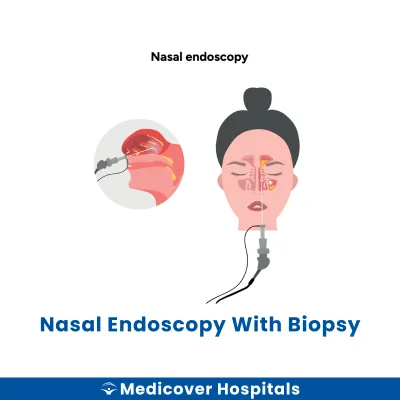
Nasal Endoscopy with Biopsy is a medical procedure that involves examining the nasal passages and sinuses using a thin, flexible tube called an endoscope. This tube has a camera and light at the end. It allows doctors to see inside the nose and sinuses (hollow spaces in the bones around the nose). During this procedure, a small tissue sample (biopsy) may be taken for further examination.
This procedure is needed to diagnose conditions like chronic sinusitis, nasal polyps, or tumours. If left untreated, these conditions can lead to breathing difficulties or infections. Modern surgical approaches include functional endoscopic sinus surgery (FESS) and image-guided surgery. These methods help in precise diagnosis and treatment. Early detection and treatment can prevent complications.
Nasal Endoscopy With Biopsy Doctors Near You
Discover skilled ENT specialists for nasal endoscopy with biopsy at Medicover Hospitals across India. Choose your city and book a consultation to address your nasal health concerns effectively.
Why Choose Medicover Hospitals for Nasal Endoscopy With Biopsy?
Get a second opinion from trusted experts and makeconfident, informed decisions.
 Get Second Opinion
Complete Guide To Nasal Endoscopy With Biopsy
Everything you need to know about the procedure, preparation, and recovery
Nasal Endoscopy with Biopsy procedure Indications
Nasal endoscopy with biopsy is often recommended by ENT specialists to diagnose or evaluate conditions affecting the nasal passages and sinuses. This procedure helps in identifying underlying issues when symptoms persist despite initial treatments.
Chronic Sinusitis
Patients may experience persistent nasal congestion, facial pain, and pressure. When imaging shows sinus inflammation and antibiotics or nasal sprays fail to provide relief, a biopsy may be needed to identify the cause.
Nasal Polyps
Symptoms include nasal obstruction, reduced sense of smell, and recurrent sinus infections. If medications do not shrink the polyps, a biopsy can help determine the nature of the growths.
Unexplained Nasal Bleeding
Frequent or severe nosebleeds without an apparent cause may lead a doctor to perform a nasal endoscopy with biopsy. This helps in identifying any abnormal tissue or lesions causing the bleeding.
Suspicion of Nasal Tumours
Patients might have symptoms like nasal blockage, facial swelling, or unexplained weight loss. If imaging suggests abnormal growths, a biopsy is essential for a definitive diagnosis.
Persistent Nasal Discharge
Chronic nasal discharge, especially if it's foul-smelling or bloody, may warrant further investigation. When standard treatments fail, a biopsy can help uncover infections or other underlying issues.
Deviated Nasal Septum with Complications
Patients with a deviated septum may experience breathing difficulties and recurrent infections. If symptoms persist despite medical management, a biopsy can assess any associated complications.
How to Prepare for Nasal Endoscopy with Biopsy?
Proper preparation for a nasal endoscopy with biopsy ensures a smooth procedure and accurate results. It helps in reducing risks and improving recovery.
- Medication Review: Stop NSAIDs, anticoagulants, and herbal supplements at least 7 days before the procedure. Consult your doctor for specific guidance.
- Fasting Guidelines: If general anaesthesia is used, fast for at least 6 hours before the procedure. Clear liquids may be allowed up to 2 hours prior.
- Nasal Preparation: Use prescribed nasal sprays as directed to reduce congestion and improve visibility during the procedure.
- Clothing: Wear loose, comfortable clothing on the day of the procedure for ease and comfort.
- Transportation: Arrange for someone to drive you home post-procedure, as you may feel drowsy from anaesthesia.
- Medication List: Bring a list of all medications you are taking, including dosages, to inform the medical team.
- Allergy Information: Inform your doctor about any known allergies, especially to medications or anaesthesia.
- Health Changes: Report any changes in health, such as cold or fever, to your doctor before the procedure.
Nasal Endoscopy with Biopsy procedure (Step-by-Step)
Overview: This procedure is performed by an ENT specialist . It typically lasts 30 to 60 minutes. Local anaesthesia is commonly used to numb the nasal area.
- Preparation: The patient is positioned comfortably. Local anaesthesia is applied to the nasal passages to minimise discomfort.
- Insertion of Endoscope: A thin, flexible endoscope is gently inserted into the nostril. The endoscope has a camera and light to provide a clear view of the nasal cavity.
- Examination: The ENT specialist examines the nasal passages and sinuses. They look for abnormalities such as polyps, tumours, or infections.
- Biopsy Collection: If an abnormal area is found, a small biopsy is taken. Instruments like a curette or forceps are used to collect tissue samples.
- Sample Removal: The biopsy sample is carefully removed through the nostril. The sample is then sent to a lab for analysis.
- Endoscope Removal: The endoscope is slowly withdrawn from the nostril. The patient may feel slight pressure but no pain.
- Post-Procedure Care: The patient is monitored briefly for any immediate reactions. They can usually go home the same day.
Who Performs Nasal Endoscopy with Biopsy procedure?
An ENT (Ear, Nose, and Throat) specialist, also known as an otolaryngologist, performs this procedure. They are trained to diagnose and treat conditions of the ear, nose, and throat. Their expertise ensures accurate diagnosis and effective treatment.
Recovery After Nasal Endoscopy with Biopsy procedure
Recovery from a nasal endoscopy with biopsy is generally quick. Most patients experience mild discomfort, which subsides in a few days. Following the doctor's advice ensures a smooth recovery.
Day 1:
- Rest is crucial. Avoid strenuous activities.
- Expect mild nasal congestion or bleeding. Use saline sprays if advised.
- Consume soft foods like curd, dal-rice, or khichdi to avoid irritation.
Days 2-3:
- Continue with light activities. Avoid bending or lifting heavy objects.
- Maintain a diet of soft, non-spicy foods such as moong dal and soups.
- Stay hydrated. Drink plenty of water.
Days 4-7:
- Most patients can resume work or school, depending on comfort.
- Gradually reintroduce regular foods, avoiding very spicy or hot items.
- Continue using saline sprays if needed.
Weeks 2-4:
- Normal activities can be resumed, but listen to your body.
- Follow up with your doctor as advised to ensure proper healing.
When to Seek Urgent Help
- Severe or persistent bleeding from the nose.
- High fever or signs of infection like pus or foul-smelling discharge.
- Difficulty breathing or swallowing.
If you experience any of these symptoms, contact your healthcare provider immediately.
Benefits of Nasal Endoscopy with Biopsy procedure
Nasal Endoscopy with Biopsy is a diagnostic procedure that helps in the evaluation of nasal and sinus conditions.
- Accurate Diagnosis: Provides a clear view of nasal passages, aiding in precise diagnosis.
- Minimally Invasive: Requires no large incisions, reducing recovery time.
- Early Detection: Helps in identifying abnormalities at an early stage.
- Guided Treatment: Assists in planning targeted treatment strategies.
Risks and Complications of Nasal Endoscopy with Biopsy procedure
While generally safe, the procedure carries some risks and potential complications.
- Common: Mild bleeding from the biopsy site.
- Common: Temporary discomfort or pain in the nasal area.
- Rare: Infection at the biopsy site.
- Rare: Allergic reaction to anaesthesia.
- Rare: Damage to surrounding tissues.
- Rare: Nasal congestion or blockage post-procedure.
Cost of Nasal Endoscopy with Biopsy procedure
The cost of a Nasal Endoscopy with Biopsy procedure at Medicover Hospitals ranges from Rs. 1,000 to Rs. 87,000. The price varies depending on the ward category chosen, such as outpatient, day care, or private rooms. We offer transparent pricing and support for insurance and TPA services, including CGHS, ESI, and major TPAs. A cashless facility is also available for your convenience. Please contact the hospital for the latest insurance panel details as these may change periodically.
Frequently Asked Questions
1. How much does Nasal Endoscopy with Biopsy cost?
The cost of Nasal Endoscopy with Biopsy at Medicover Hospitals ranges from Rs. 1,000 to Rs. 87,000, depending on the type of care.
2. Is Nasal Endoscopy with Biopsy covered under insurance?
This procedure may be covered by CGHS, ESI, and major TPAs. Please contact the hospital for current panel details.
3. Will I have nasal congestion after the biopsy?
Nasal congestion is common after the procedure and usually resolves in a few days. Saline sprays can help alleviate the discomfort.
4. Can I exercise after a nasal endoscopy biopsy?
Avoid strenuous activities for at least one week post-procedure. Light walking is generally safe and helps with recovery.
5. Will I experience changes in smell after the biopsy?
Temporary changes in smell can occur but usually improve within a few weeks. Consult your doctor if the issue persists.
6. What foods should I avoid after the biopsy?
Avoid spicy and hot foods for a few days to prevent irritation. Opt for soft foods like curd, dal-rice, and khichdi.
7. Can nasal bleeding occur after the biopsy?
Minor nasal bleeding is possible but should stop within a day. Contact your doctor if bleeding persists or worsens.


