 Call
Call Patient Reports
Best Hospital for Micro Endoscopic Posterior Cervical Discectomy Surgery with Expert Spine Care
Micro endoscopic posterior cervical discectomy is a minimally invasive procedure used to treat cervical disc herniation. At Medicover Hospitals, this endoscopic approach is performed by specialists with qualifications like MS, DNB, and FMAS. This technique often results in smaller incisions and reduced blood loss.
Expert Surgeons
Yearly Surgeries
Patient Satisfaction
What is Micro Endoscopic Posterior Cervical Discectomy Surgery?
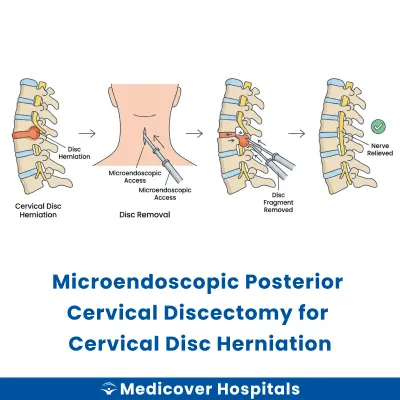
Micro endoscopic posterior cervical discectomy is a minimally invasive surgical procedure. It addresses cervical disc herniation, which affects the discs in the neck (cervical spine). This procedure involves using an endoscope (a thin tube with a camera) to remove herniated disc material. It relieves pressure on the spinal cord and nerves, reducing pain and improving function.
This surgery is needed when cervical disc herniation causes severe pain, numbness, or weakness. If untreated, it can lead to chronic pain or neurological issues. Conditions like degenerative disc disease or trauma can cause herniation. Modern surgical approaches include micro endoscopic techniques, which offer less tissue damage and quicker recovery compared to traditional open surgery.
Micro Endoscopic Posterior Cervical Discectomy Surgery Doctors Near You
Explore experienced neurosurgeons at Medicover Hospitals across India. Choose your city and book a consultation for expert care tailored to your needs.
Why Choose Medicover Hospitals for Micro Endoscopic Posterior Cervical Discectomy Surgery for Cervical Disc Herniation?
Get a second opinion from trusted experts and makeconfident, informed decisions.
 Get Second Opinion
Complete Guide To Microendoscopic Posterior Cervical Discectomy For Cervical Disc Herniation
Everything you need to know about the procedure, preparation, and recovery
Micro endoscopic posterior cervical discectomy for cervical disc herniation Procedure Indications
Doctors recommend microendoscopic posterior cervical discectomy when cervical disc herniation causes significant discomfort or neurological issues. This minimally invasive procedure is considered when conservative treatments do not provide relief.
Severe Neck and Arm Pain
Patients often experience persistent neck pain radiating to the arm. This pain is usually due to nerve compression by a herniated disc . When pain management and physical therapy fail, surgery may be advised.
Nerve Root Compression
Imaging tests like MRI or CT scans reveal nerve root compression. Patients may report numbness or tingling in the arms. If these symptoms persist despite medication and physiotherapy, surgical intervention becomes necessary.
Muscle Weakness
Some patients develop muscle weakness in the arms or hands. This occurs due to prolonged nerve compression. When muscle strength does not improve with conservative measures, surgery is considered.
Loss of Coordination
Patients may experience difficulty with coordination or fine motor skills. This is often linked to cervical disc herniation affecting the spinal cord. If symptoms worsen or do not improve with non-surgical treatments, surgery is recommended.
Failed Conservative Treatment
When pain relief methods like medication, physical therapy, or injections do not alleviate symptoms, surgery is considered. Persistent symptoms despite these efforts indicate the need for surgical intervention.
How to Prepare for Micro endoscopic posterior cervical discectomy for cervical disc herniation?
Proper preparation is crucial for a smooth surgery and recovery. It helps minimise risks and ensures the procedure goes as planned.
- Medication Adjustment: Stop NSAIDs, anticoagulants, and herbal supplements 7-10 days before surgery. Consult your doctor for specific guidance.
- Fasting Guidelines: Do not eat or drink anything for at least 8 hours before the procedure due to general anaesthesia requirements.
- Pre-Surgery Tests: Complete any required blood tests or imaging studies as advised by your healthcare provider.
- Clothing Choice: Wear loose, comfortable clothing on the day of surgery for ease of changing and comfort post-procedure.
- Transportation: Arrange for someone to drive you home after the surgery as you may feel drowsy from anaesthesia.
- Medication List: Bring a list of all medications you are currently taking, including dosages, to share with the medical team.
- Smoking and Alcohol: Avoid smoking and alcohol for at least 24 hours before the surgery to reduce complications.
- Personal Items: Leave valuables at home and bring only essential items to the hospital.
Micro endoscopic posterior cervical discectomy for cervical disc herniation Procedure (Step-by-Step)
This procedure is performed by neurosurgeons. It typically lasts 1-2 hours and is done under general anaesthesia.
- Preparation: The patient is positioned face down on the operating table. General anaesthesia is administered to ensure comfort and immobility.
- Incision: A small incision of about 1-2 cm is made at the back of the neck. This allows access to the cervical spine.
- Insertion of Instruments: A trocar is inserted through the incision. A microendoscope is then introduced to provide a clear view of the herniated disc.
- Disc Removal: Using a curette or a coblation wand, the surgeon carefully removes the herniated disc material. This relieves pressure on the spinal nerves.
- Stabilization: The area is checked for stability. Bipolar cautery may be used to control any bleeding and ensure a clear field.
- Closure: The incision is closed with sutures or surgical glue. A sterile dressing is applied to protect the site.
- Recovery: The patient is moved to a recovery room. They are monitored as they wake up from anaesthesia, experiencing some neck stiffness and discomfort.
Who Performs Micro endoscopic posterior cervical discectomy for cervical disc herniation Procedure?
This procedure is performed by neurosurgeons who specialise in spine surgeries. They have expertise in minimally invasive techniques and are trained to handle delicate spinal structures.
Recovery After Microendoscopic Posterior Cervical Discectomy for Cervical Disc Herniation Procedure
Recovery from microendoscopic posterior cervical discectomy involves gradual healing and returning to daily activities. Patients can expect some discomfort initially, but improvements are usually noticeable within a few days.
Day 1-3:
- Rest is crucial. Avoid strenuous activities.
- Begin with a soft diet. Include foods like curd, dal-rice, and soups.
- Manage pain with prescribed medications.
Day 4-7:
- Gradually increase light activities as tolerated.
- Continue with a balanced diet. Add moong dal and khichdi for easy digestion.
- Attend follow-up appointments as scheduled.
Week 2-4:
- Resume light work or school activities if comfortable.
- Engage in gentle neck exercises as advised by your doctor.
- Avoid lifting heavy objects or sudden neck movements.
Phase 1 Month and Beyond:
- Gradually return to normal activities, including exercise, under medical guidance.
- Maintain a nutritious diet to support healing.
- Regularly monitor your progress with healthcare providers.
When to Seek Urgent Help:
- Severe neck pain not relieved by medication.
- Numbness or weakness in arms or legs.
- Signs of infection such as fever or redness at the incision site.
- Difficulty breathing or swallowing.
Benefits of Microendoscopic Posterior Cervical Discectomy for Cervical Disc Herniation Procedure
This procedure offers several advantages for patients with cervical disc herniation.
- Minimally Invasive: The procedure uses small incisions, reducing recovery time.
- Reduced Pain: Patients often experience less postoperative pain compared to traditional surgery.
- Faster Recovery: Many patients return to normal activities sooner due to the minimally invasive nature.
- Improved Mobility: Relief from nerve compression can enhance neck and arm movement.
Risks and Complications of Microendoscopic Posterior Cervical Discectomy for Cervical Disc Herniation Procedure
While generally safe, this procedure carries some risks and potential complications.
- Possible: Infection at the incision site may occur, requiring medical attention.
- May occur: Bleeding during or after surgery is a possibility.
- Rarely: Nerve damage, which could lead to numbness or weakness.
- Uncommon: Spinal fluid leak, which might necessitate further treatment.
- In rare cases: Recurrence of disc herniation, potentially requiring additional intervention.
What is the Cost of Microendoscopic Posterior Cervical Discectomy for Cervical Disc Herniation Procedure?
The cost of a Microendoscopic posterior cervical discectomy for cervical disc herniation ranges from Rs. 105,000 to Rs. 2,83,000 across Medicover Hospitals. The price varies based on the ward category chosen, such as general, twin sharing, or private rooms.
We offer transparent pricing and support for insurance and TPA, including CGHS, ESI, and major TPAs. Cashless facility is available for your convenience. Please contact the hospital for the latest insurance panel details as these may change periodically.
Frequently Asked Questions
1. How much does Microendoscopic posterior cervical discectomy for cervical disc herniation procedure cost at Medicover Hospitals?
The cost for this procedure at Medicover Hospitals ranges from Rs. 1,05,000 to Rs. 2,83,000, depending on the type of room and care required.
2. Is Microendoscopic posterior cervical discectomy for cervical disc herniation procedure covered under health insurance at Medicover?
Yes, it is often covered by CGHS, ESI, and major TPAs offering cashless options. Please contact the hospital for current panel details.
3. Will I experience neck stiffness after this procedure?
Some patients may experience temporary neck stiffness post-surgery. Physical therapy can help improve mobility and reduce discomfort.
4. Can I drive immediately after the procedure?
Driving is not recommended immediately after the procedure. Patients should wait for their doctor's approval, usually after a few weeks.
5. Will I need to wear a neck brace after surgery?
A neck brace might be recommended for support during the initial recovery phase. Your doctor will advise based on your specific condition.
6. Are there dietary restrictions post-surgery?
Post-surgery, a light diet with foods like curd, dal-rice, and khichdi is recommended. Avoid heavy or spicy foods initially for better recovery.
7. Can cervical disc herniation reoccur after surgery?
While surgery addresses the current herniation, there's a possibility of recurrence. Regular follow-ups and lifestyle modifications can help reduce this risk.


